Wine Travel · October 2026
Saint-Jeannet: Wine in Glass Demijohns Above the Côte d’Azur
A wine tasting in the hinterland of Nice: Stefan visits Saint-Jeannet and Domaine des Hautes Collines with its unusual glass demijohns.
3 min read
Travel report by Stefan · traveling in October 2026
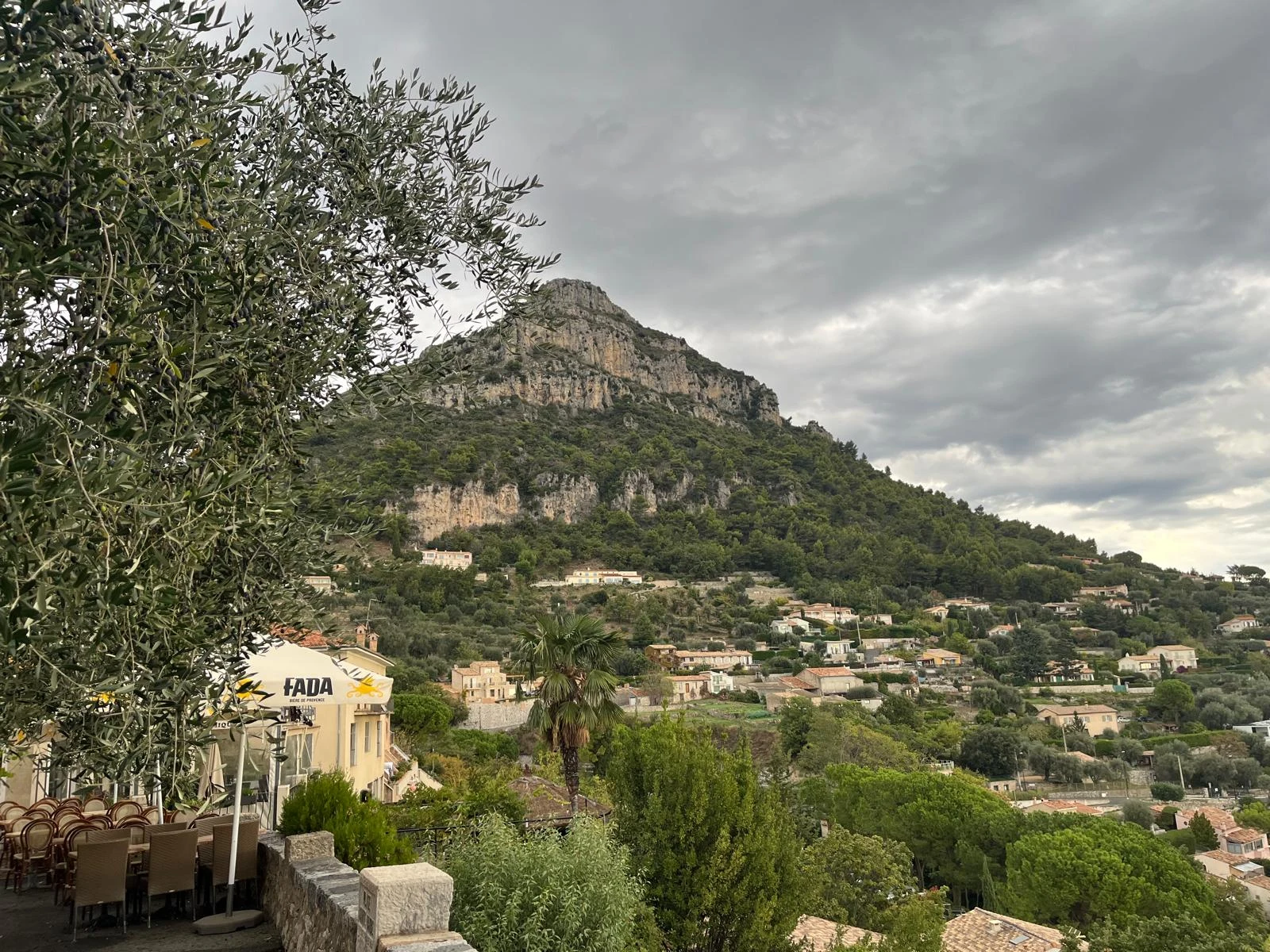
After the rainy days in the Camargue, we drove on toward Saint-Tropez and Nice. We wanted to escape the bad weather, looked around the coast, and finally searched for a place for the night. We found what we were looking for above the Côte d’Azur, near Saint-Jeannet.
The village felt to us like a balcony over the landscape. Narrow alleys, pedestrian paths, and houses among which you want to take your time: For me, this was one of those French places where even just a walk becomes a travel experience.
From the Overnight Spot to the Wine Tasting
At the winery where we were allowed to stay for the night, we first received a practical tip: If it rained, driving out the next morning could become difficult. We should be careful. That was a personal arrangement during our trip, not a generally bookable pitch that we could promise here.
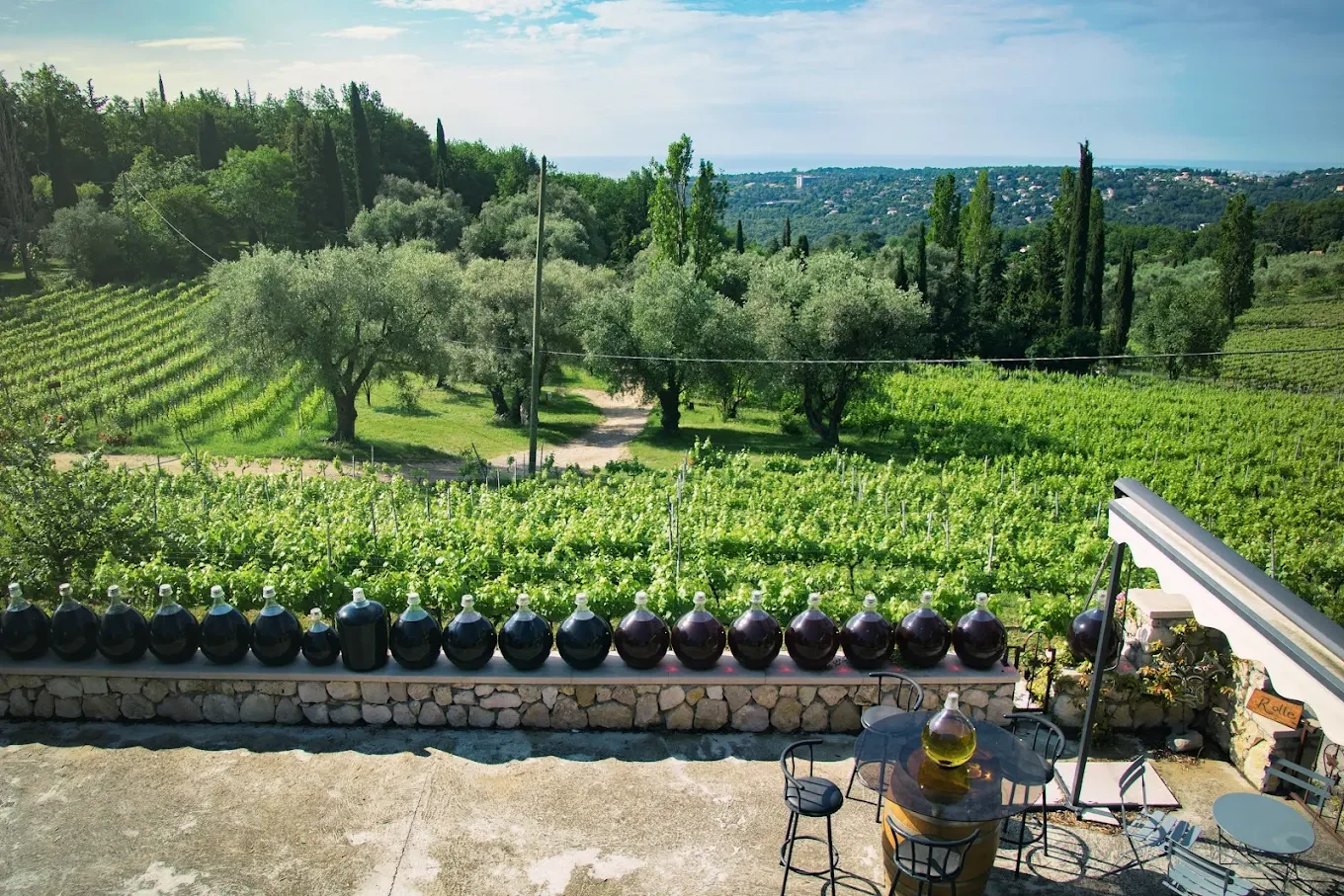
Then came the invitation to come down for a tasting after all. A young employee took the time, even though he had actually wanted to head home. “Since you’re already here,” was the kind thought behind it. And so we stood in the sunset with a glass of wine and an expansive view over the hinterland of Nice.
Domaine des Hautes Collines and the Rasse Family
On its current official website, the estate is named Domaine des Hautes Collines. In tourist directories, one can also find the longer designation Vignoble des Hautes Collines de la Côte d’Azur. The family name is Rasse. The “Raset” used in our notes is therefore not a second winemaking family, but an inaccurate transcription.
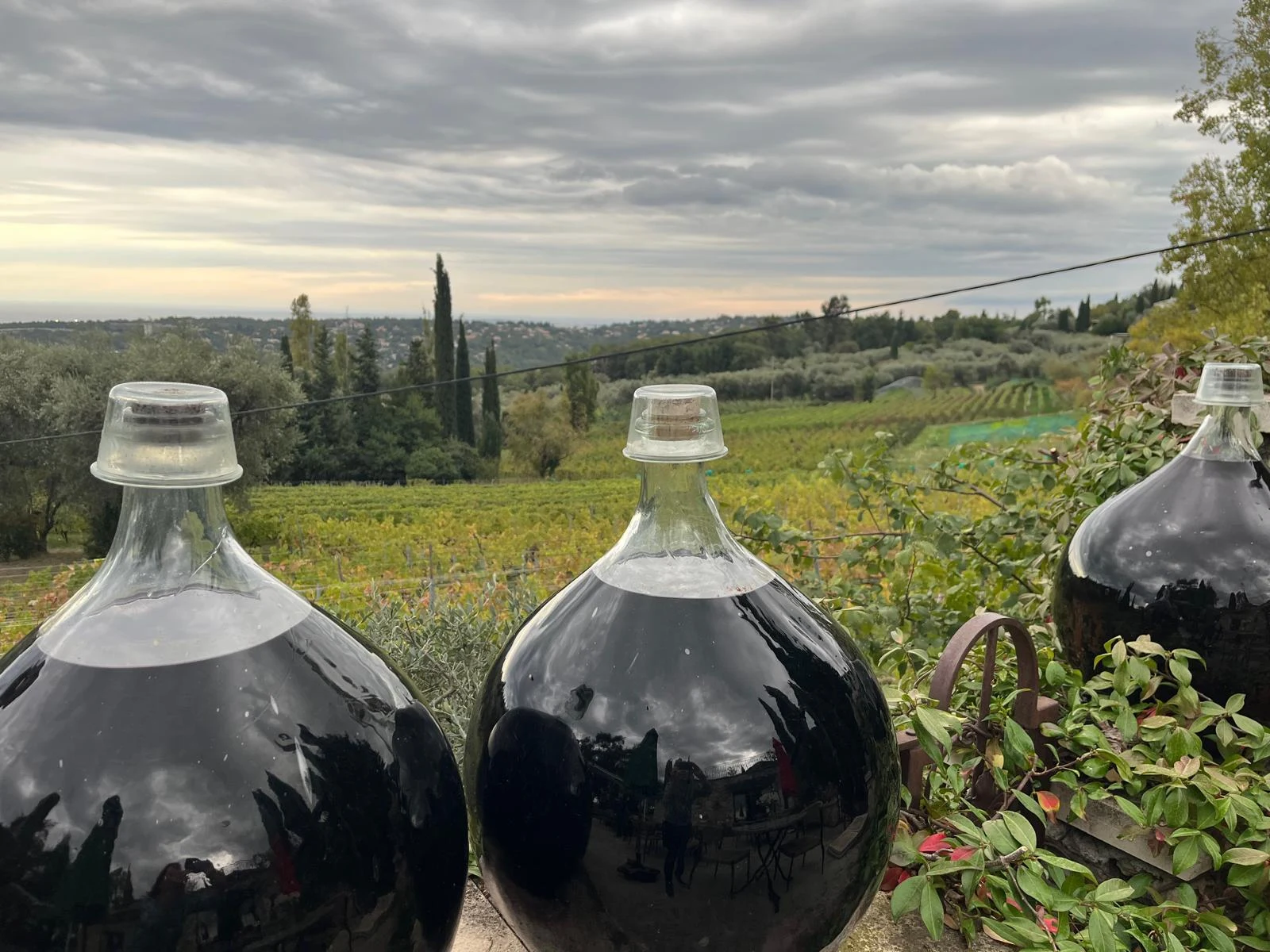
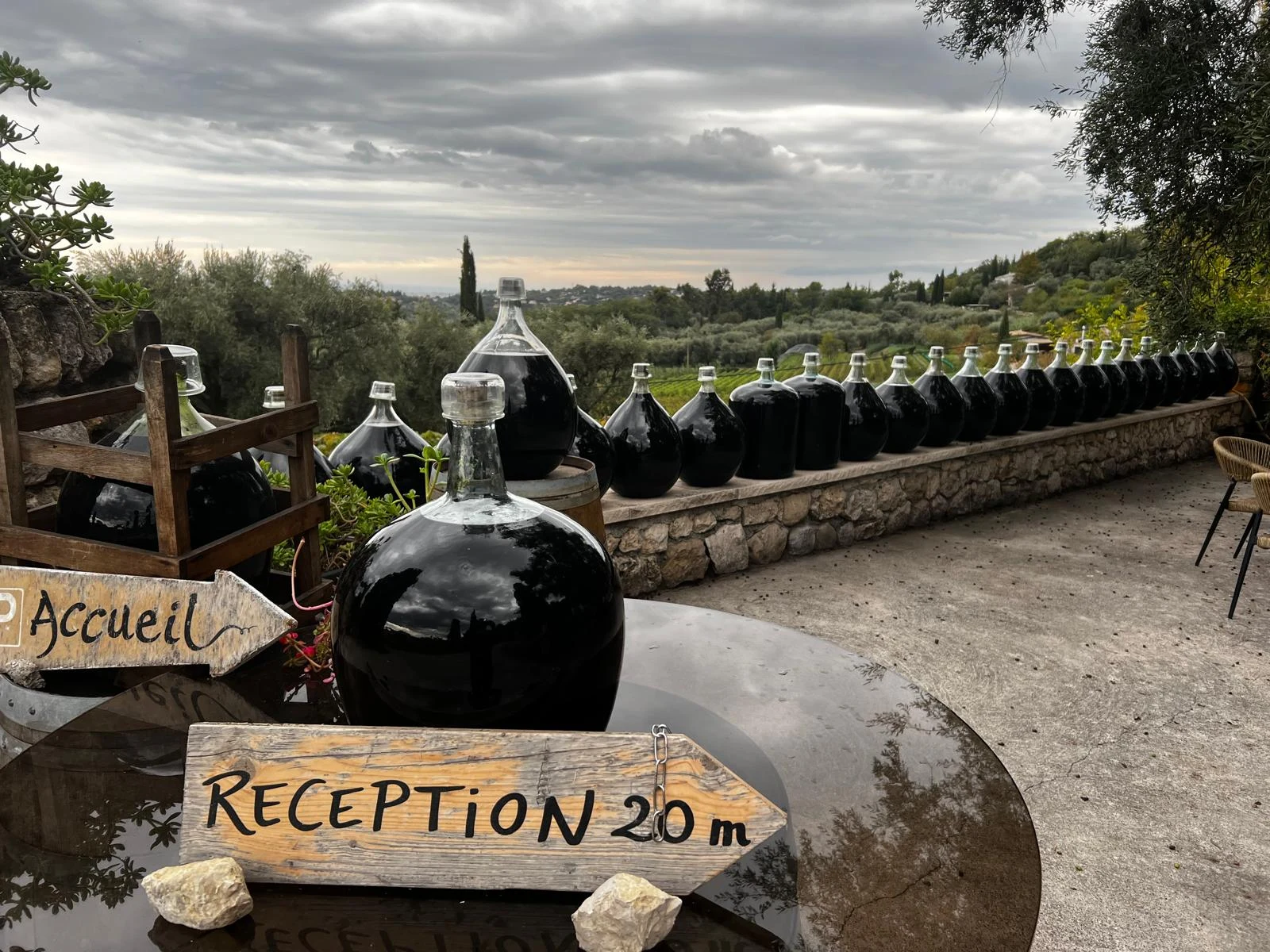
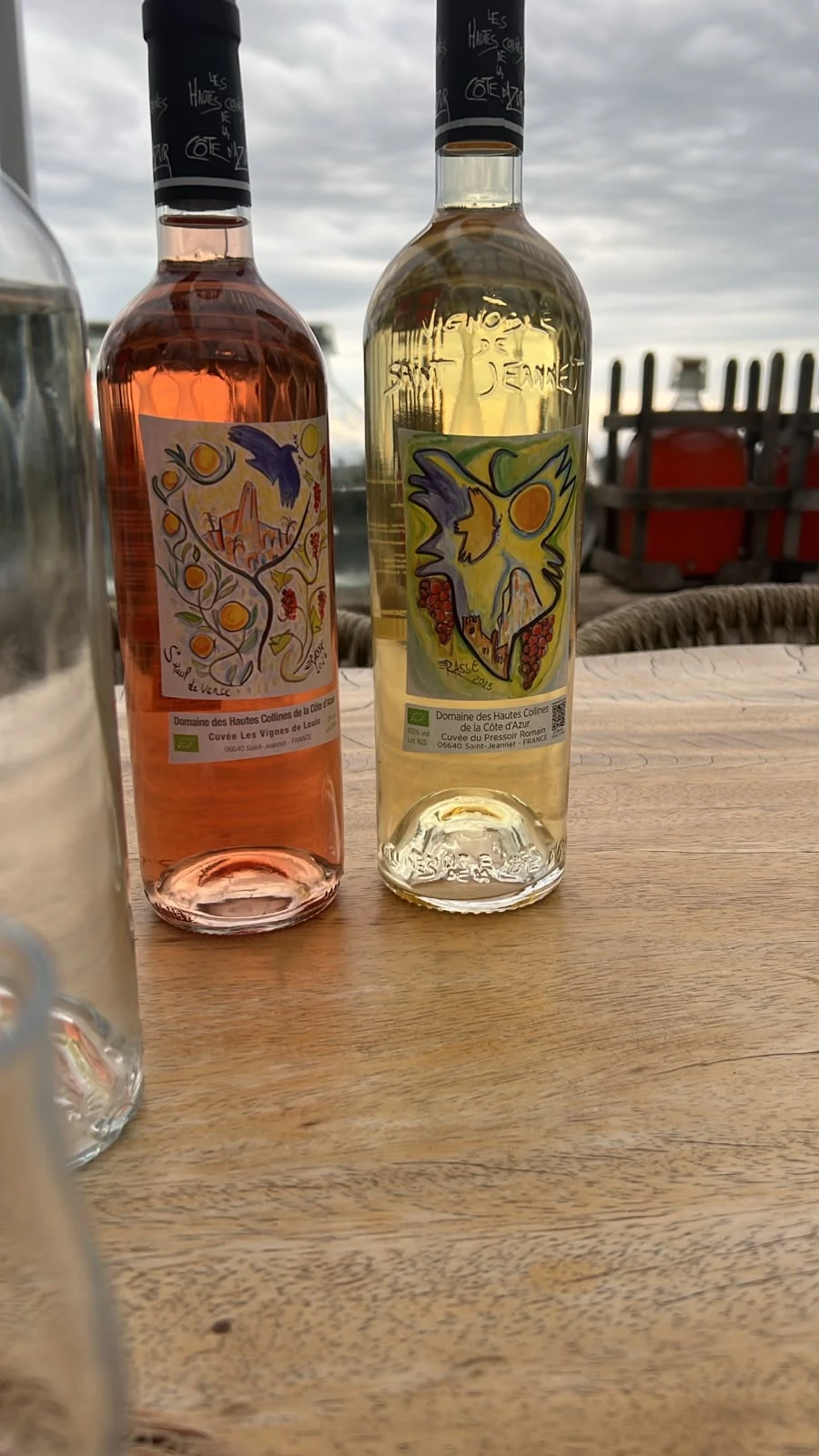
Particularly impressive for us were the large, round glass demijohns on the terrace. Various wines stood side by side there, labeled with notes on the grape varieties. It looked unusual, almost like a collection of liquid colors in the landscape.
Regional wine and producer information describes aging in glass demijohns under the open sky and in the sun as a specialty of the estate. This does not mean that every single cuvée is aged in exactly the same way. For the details of a specific wine, it is worth asking the winery.
A White Wine That Made Us Slow Down
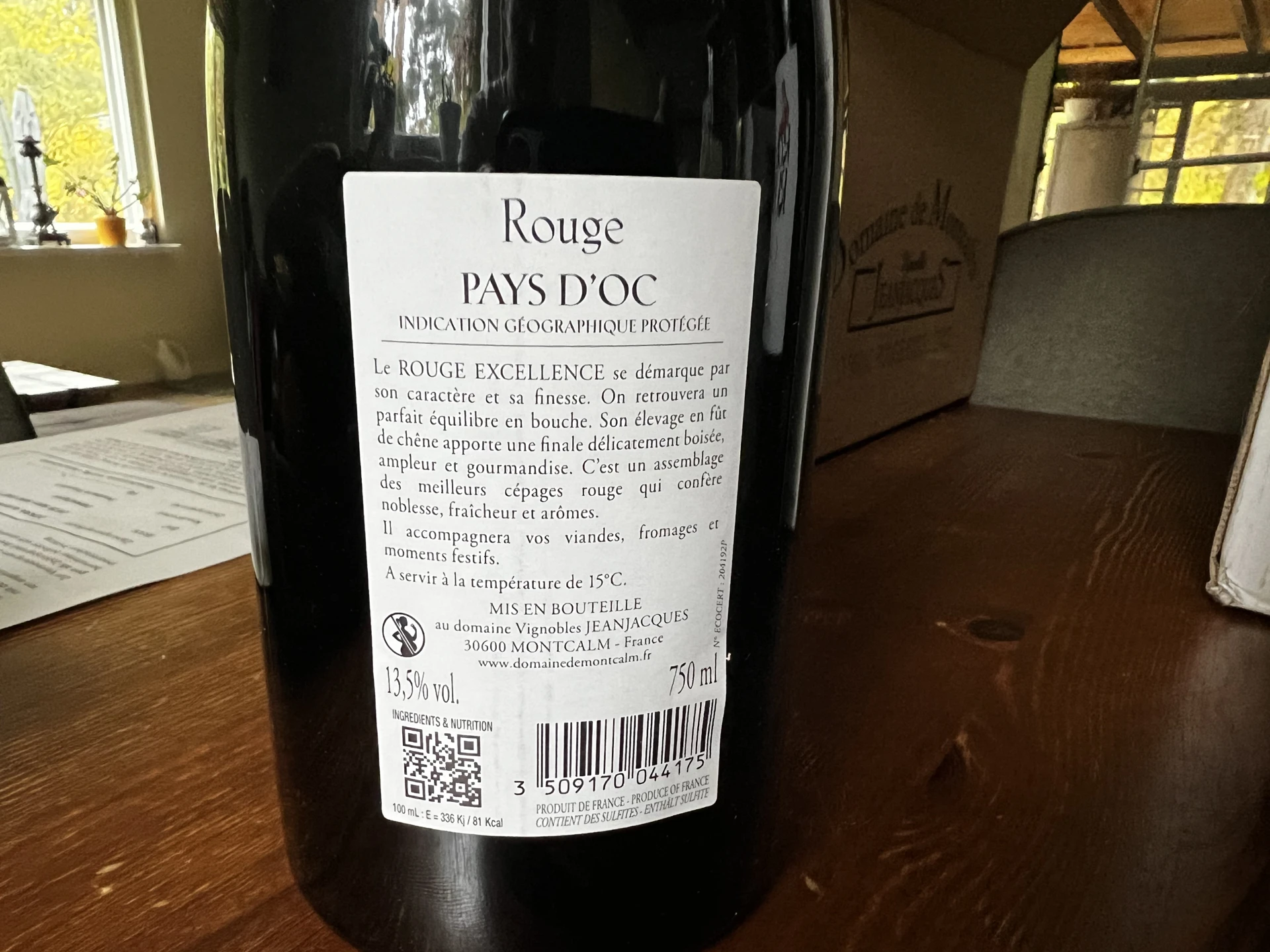
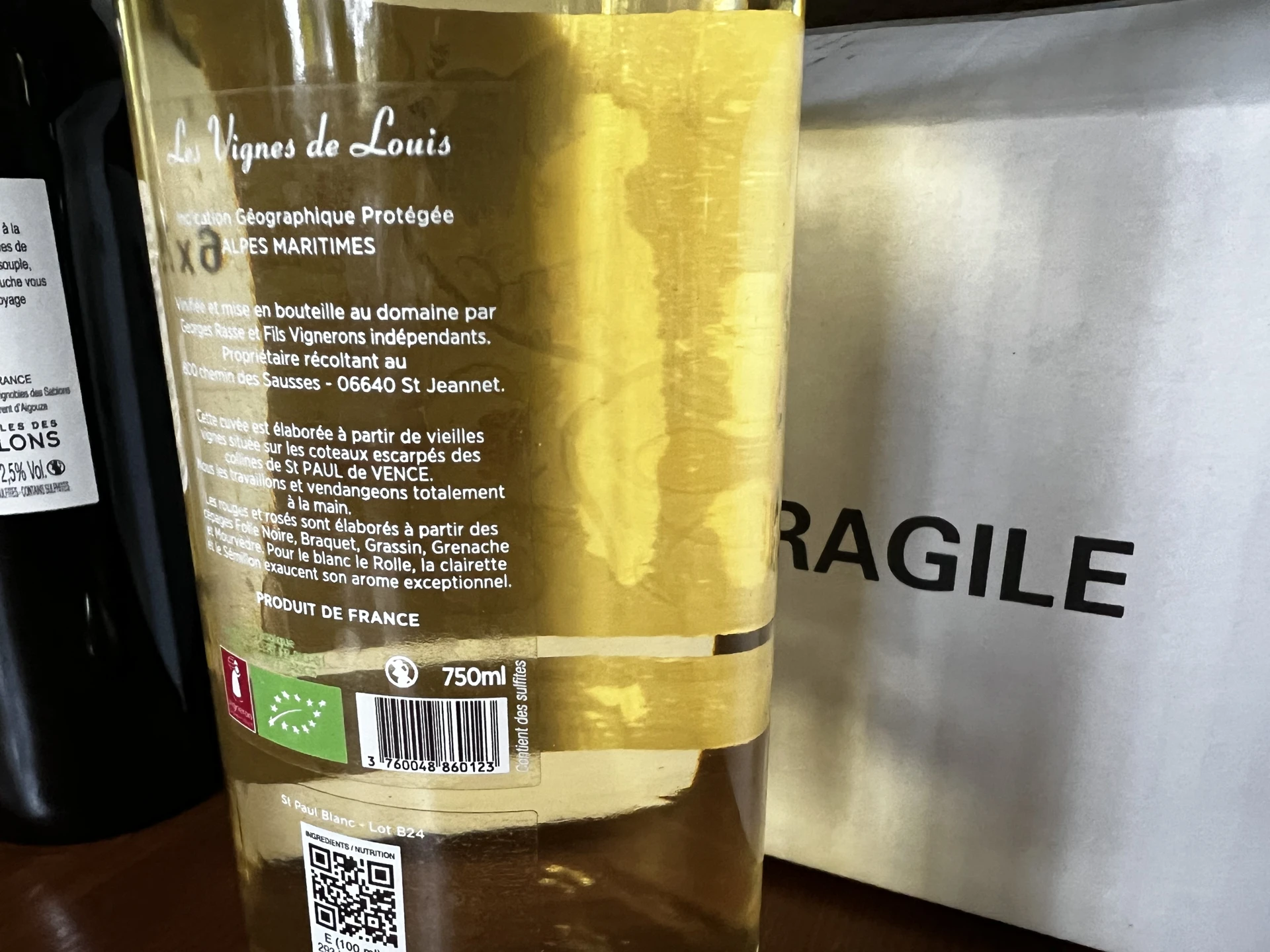
We began with a white wine from the “Les Vignes de Louis” line. Our own photo of the back label mentions IGP Alpes-Maritimes and Georges Rasse et Fils in Saint-Jeannet. The text describes the white and rosé wines together and lists Rolle and Clairette for white. The five grape varieties mentioned in my spoken memory therefore do not belong to this white wine as a verified blend. For the exact composition of the cuvée, a corresponding technical specification from the estate would be necessary.
The wine made it easy for us to drink more slowly. A sip, another look, tasting again: For me, new impressions kept opening up. This was not a white wine we just drank on the side, but a wine we engaged with.
Sun Does Not Equal “Sulfite-Free”
During the tasting, the discussion also turned to sun, shelf life, and sulfites. The official website describes the wines as certified organic and makes statements regarding aging without added sulfites for certain wines or vintages. According to our tasting guide, the sun, warmth, and light are said to gradually reduce the addition of sulfites or allow them to be omitted entirely. A lovely thought.
A Detour That Stayed With Us
We took rosé, white wine, and red wine with us – in my memory, four cases in total, plus a special bottle of sweet wine made from Gewürztraminer grapes. Small fun fact – in France, the “Traminer” suffix is dropped; here the grape variety is simply called "Gewürz".
What has remained is the mood: the glass demijohns, the view, the friendly tasting, and this feeling of having taken a small step away from the familiar Côte d’Azur. For us, Saint-Jeannet was not just a stopover, but a highlight of its own.
Read more: Onward to the Barolo region · France’s wine regions
Sources and Context
This travel report combines Stefan’s personal memories of October 2026 with supplementary researched information. Taste impressions, conversations, and purchases made back then are personal experiences, not current offers or availability guarantees.
- https://vignoblestjeannet.fr/en/visite-degustation/ — official estate name, Georges Rasse, and visitor information
- https://vignoblestjeannet.fr/en/degustation-vin-saint-jeannet/ — organic and specific natural wine information
- https://vignoblestjeannet.fr/it/vignoble-bio-saint-jeannet/ — notes on without added sulfites, not across all vintages
- https://www.routedesvinsdeprovence.com/en/vineyards/vignoble-des-hautes-collines-de-la-cote-d-azur/ — regional source for aging on the terraces
- Operator’s own visually verified travel and label photos (30.10.2026).
Die Weinpost
Good wine. Good stories.
Read more
Barolo at Bergadano: A Personal Approach to Piedmont
3 min read
Montestefano: Three Bottles of Barbaresco and an Encounter with Teobaldo Rivella
3 min read