Wine story
A Layman's Wine Explorations
This may sound incredible, but apparently there is still hope for me. Not that I might yet become a true wine connoisseur—even I wouldn't be that optimistic—but that I might stop feeling so bad about it.
3 min read
by William Powell
And the lovely thing is, my hope rests on the fact that I am lazy and stupid ... or rather, that I am lazier and stupider than the acknowledged wine
expert, and am happy to admit it.
My new theory is based on two experiments (one new and one old) that essentially have nothing to do with wine itself, but with people and their vanities.
Those in the know will surely have heard about this years ago and—unlike me—remained unimpressed. That, too, is probably one reason why I will never become a bona fide expert ... I lack the professional chutzpah. Had I been an oenologist, these findings would probably have sent me slinking off to the job centre in shame to apply for retraining. As a marketing assistant or hairdresser. Mind you, I haven't heard of a single case where that actually happened ... but then I don't hear everything.
Bordeaux and Its Experiments
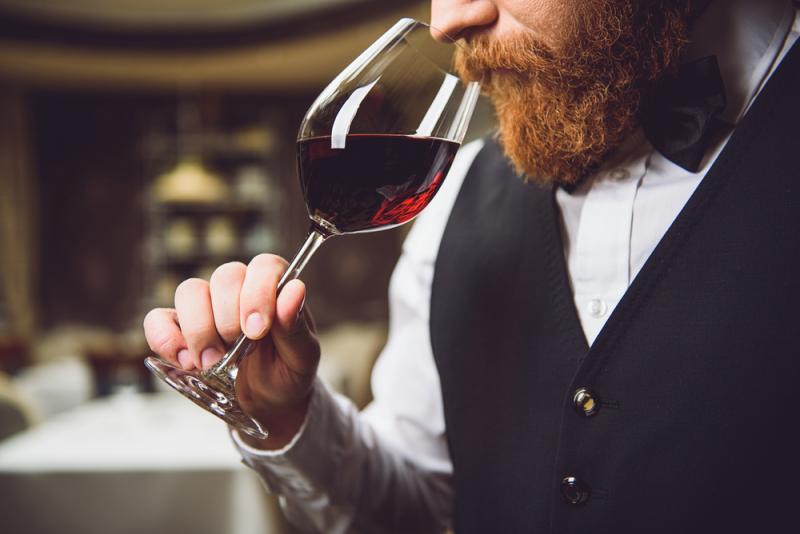
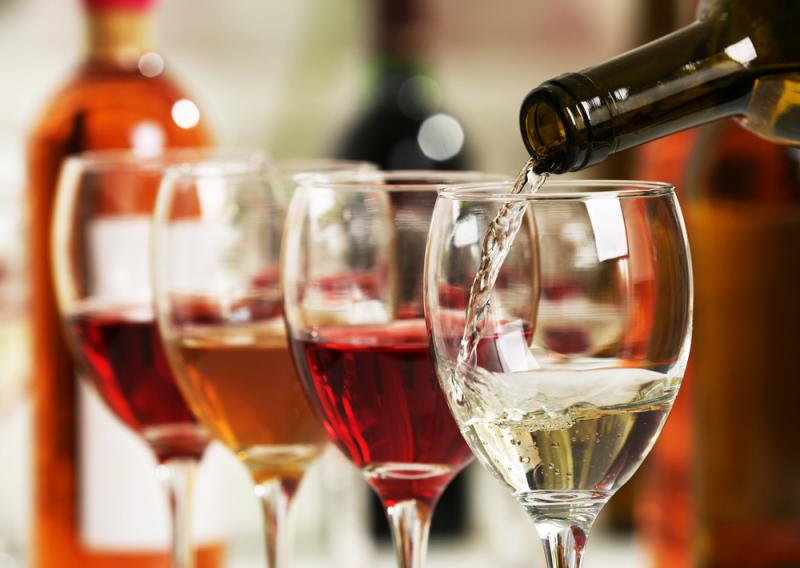
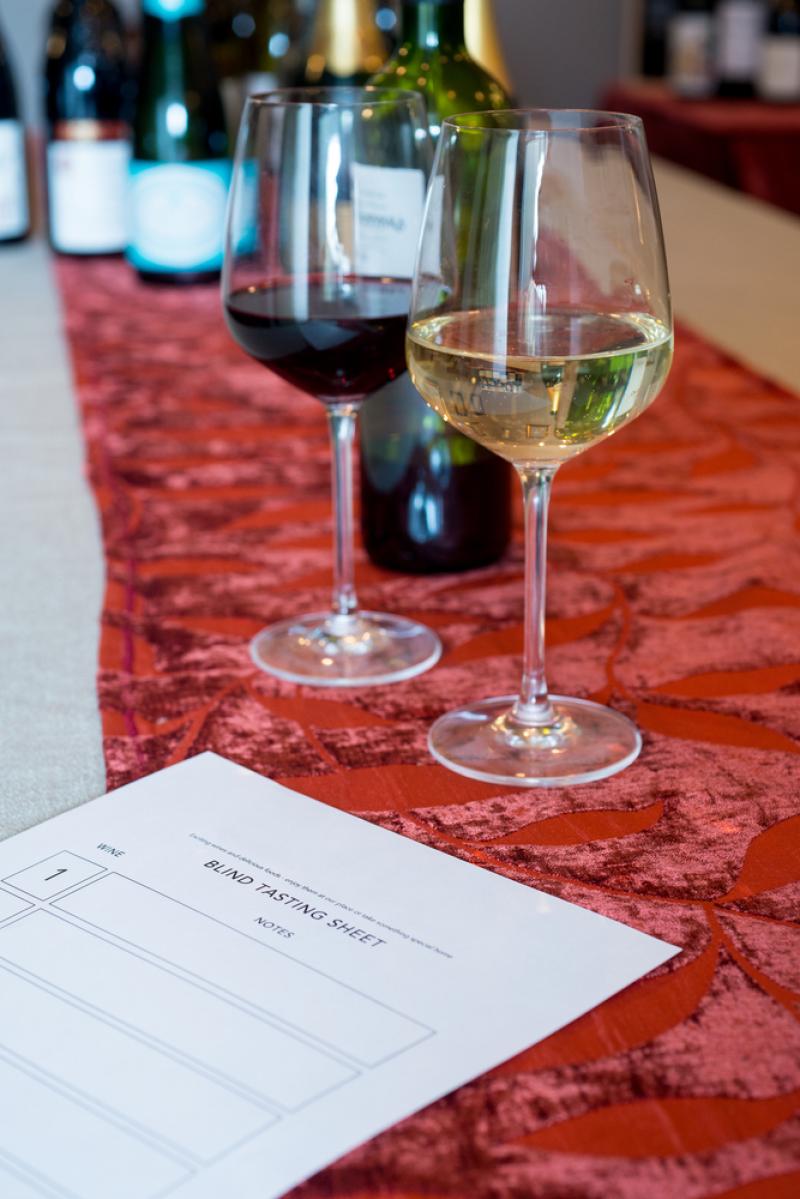
The first experiment took place at the University of Bordeaux in 1998. Several dozen students and lecturers from the wine studies department were surveyed. Each participant was given a glass of red wine and a glass of white wine, and recorded their findings on forms. The red received descriptions such as dark, deep and woody. The white was—as expected—assigned attributes such as fruity, dry or floral. A week later, the experiment was repeated and produced—what else?—almost identical results. What the participants didn't know was that the researchers had switched the red wine—or rather, faked it. It was, in fact, exactly the same wine as in the white-wine glasses, only dyed red. And the professionals didn't notice. Not one bit. Funny.
The Scientists' Explanation
Now, scientists have offered not one but two explanations for this: one physical and one psychological. In purely physical terms, the brain processes visual information ten times faster than it can evaluate what we smell or taste. The test subjects' brains had therefore received the signal “red” long before any other.
And this is where the psychological element comes in: because the test subjects were wine experts, their brains supplied them, even before they tasted anything, with all the information associated with red wine: tannic, berry flavours, softer than white wine, and so on and so forth .... A complete novice with no prior knowledge might have recognised that it was the same wine. The oenologists, however, were entangled in the emperor's new clothes.
The Magic of Names
The second experiment was conducted by marketing psychologists and wasn't confined to wine. They found that products with long, complicated names inspire greater consumer confidence. Not that people buy more of those products, but once they are in the shopping basket, people feel sure they have bagged something really good. With wine, this principle actually applies twice over, because the vast majority of humanity apparently feels exactly as I do: they have the overwhelming sense that they haven't the faintest idea what is good or what they like. Or they are as self-destructive as I am and are convinced they have the most atrophied taste buds west of the Urals. In that case, the fact that you like something is more of an indication of the utter inferiority of this dishwater you have talked yourself into calling wine. My advantage when faced with such naming tricks is that I am too lazy to read long, complicated names. If I can see right away that a wine has more than five or six syllables to offer on its label, something inside me switches off. Especially if it's written in French. Who reads that sort of thing? Not me!
Dreams of Wine Expertise
Yes, of course I know (in my better moments) that neither the wine nor the experts themselves are to blame for these inferiority complexes—even if you can't shake the feeling that those bastards have to parade their supposedly elite superiority at every opportunity. But car enthusiasts, computer geeks and cultural critics do that too, and it doesn't bother me in the slightest. Yes, yes—this sort of thing is of one's own making, and these findings won't do much to ease that affliction either. But they do give the vindictive child in me a lovely sense of satisfaction. Especially when I imagine that, back then, I might have had the courage to shout: “But the emperor has nothing on at all!” Surely I'm still allowed to dream.

Die Weinpost