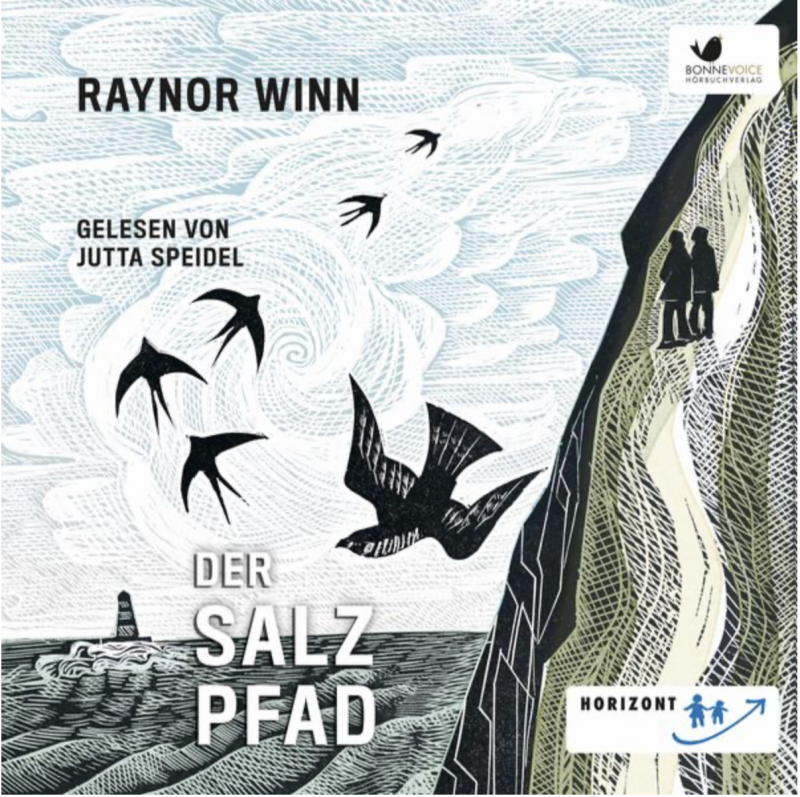
Wine book
The Whale and the End of the World
Today I want to offer a different kind of book review. Today I am letting the book speak for itself. I only want to share quotations with you; nothing more is needed to showcase such brilliant literature. All my words and assessments, as with a very fine wine, could simply never do this book justice.
3 min read
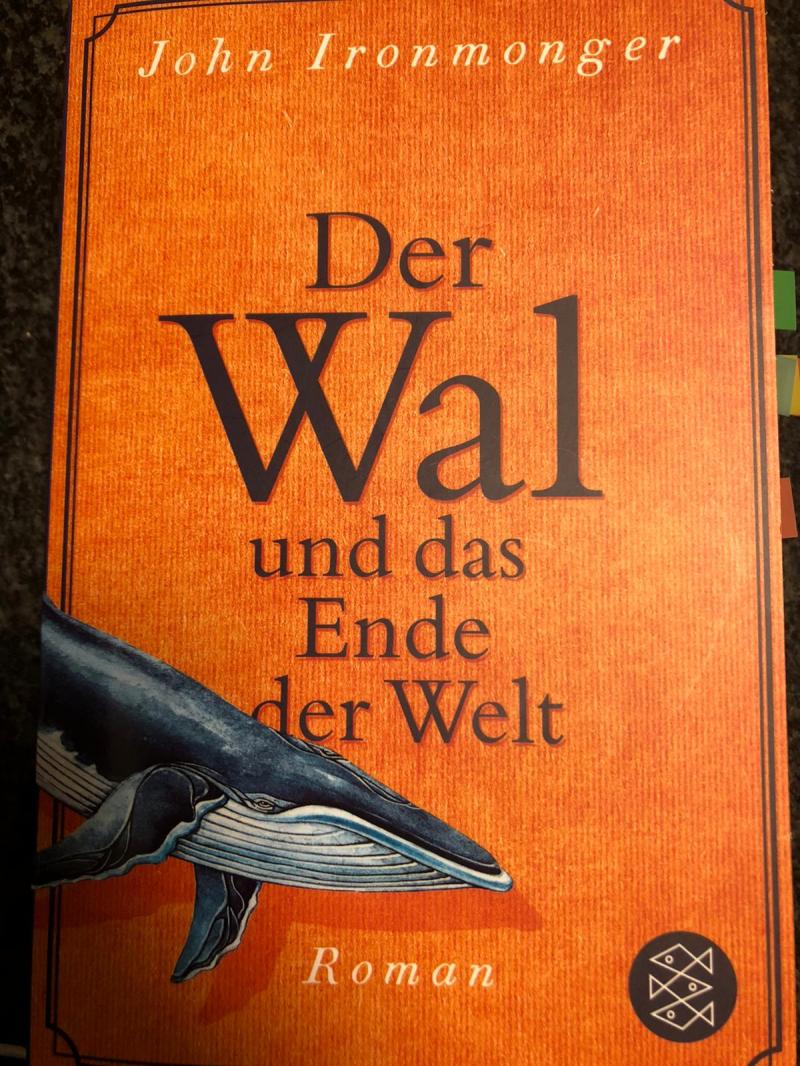

The book “Blackout” holds up a mirror to the catastrophe of a power outage. This one holds up a mirror to a pandemic — no less breathless and gripping and, though chilling, extremely topical! “As he sat there listening to the ocean, Joe closed his eyes and pictured the trading floor. The mere thought of it set his heart racing. He had worked with the short traders on the fifth floor. … Short trading, or short selling, was a complex and risky process. They borrowed shares from brokers at a certain price and immediately sold them on. … What they wanted, what they always wanted, was for the companies to fail and prices to fall.”
We have witnessed this ourselves over the past 4 weeks; the company GAMESTOP was supposed to share this fate.
“You are a mathematician. You know what happens to complex systems. Sudden, dramatic, catastrophic collapse. … Have you heard the theory that our society is only three full meals away from anarchy?” “We walk into a supermarket and see shelves groaning with food, and we imagine that all of it could somehow feed a city for a year, but that is wrong. Most large petrol stations need deliveries every night.
They have enough supplies for 24 hours, provided there is no panic buying. Most supermarkets operate just in time; new stock arrives precisely when the old stock has been sold, and every night they have to replenish most of their inventory.” Doesn't this remind us of our complaining haulage companies, supply bottlenecks and so on?
They carried on living and are panicking
“… the second important factor that could catapult us all back into the Stone Age, that word, Joe, is flu.” Now please take a deep breath and hold it, empty your glass and pour another; it gets even better — I promise! “It is not the disease that will kill us. It is fear. In 1918, it took people a very long time to understand what was happening. They went to work. They carried on with their lives. This time we will all follow it on the news. We will watch the first victims die. Watch the bodies being buried. We will panic. We will do what everyone does: look after ourselves. Our families. We will lock our doors and windows, keep the children indoors…”. Sound familiar?
Joe, a mathematician, develops Cassie, a computer program. Using reports and opinions from all media (newspapers, interviews, blogs, gossip, political press releases…), it can identify scenarios that could unfold within a short time. It detects a flu outbreak in Asia and calculates how soon it will break out in England and how it will reach England (by plane). Since Joe, an analyst at an investment bank in London, knows how selfish people are, he flees, convinced that humanity is lost. Until a whale brings him back to shore at a small fishing village and restores his trust.

A glimmer of hope for everyone
This wonderful book is a glimmer of hope for the humanity that still lies dormant somewhere within us. Joe put his life and his knowledge on the line to save 300 people. Here, true values mattered. Inner as well as outer ones.
My final verdict — simply let it sink in! The question this raises for me is: if everyone exchanged goods they had made themselves for other goods (in other words, without means of payment such as money, gold or silver), would we treat one another more humanely again and recognise true values?
P.S. The book was published in 2015, so, as they always say in films — any resemblance to actual events and/or living persons is purely coincidental.
Die Weinpost