True or Nonsense?
Does Sediment Mean Red Wine Has Gone Bad?
What sediment at the bottom of a bottle means, and how to pour the wine without stirring it up.
1 min read
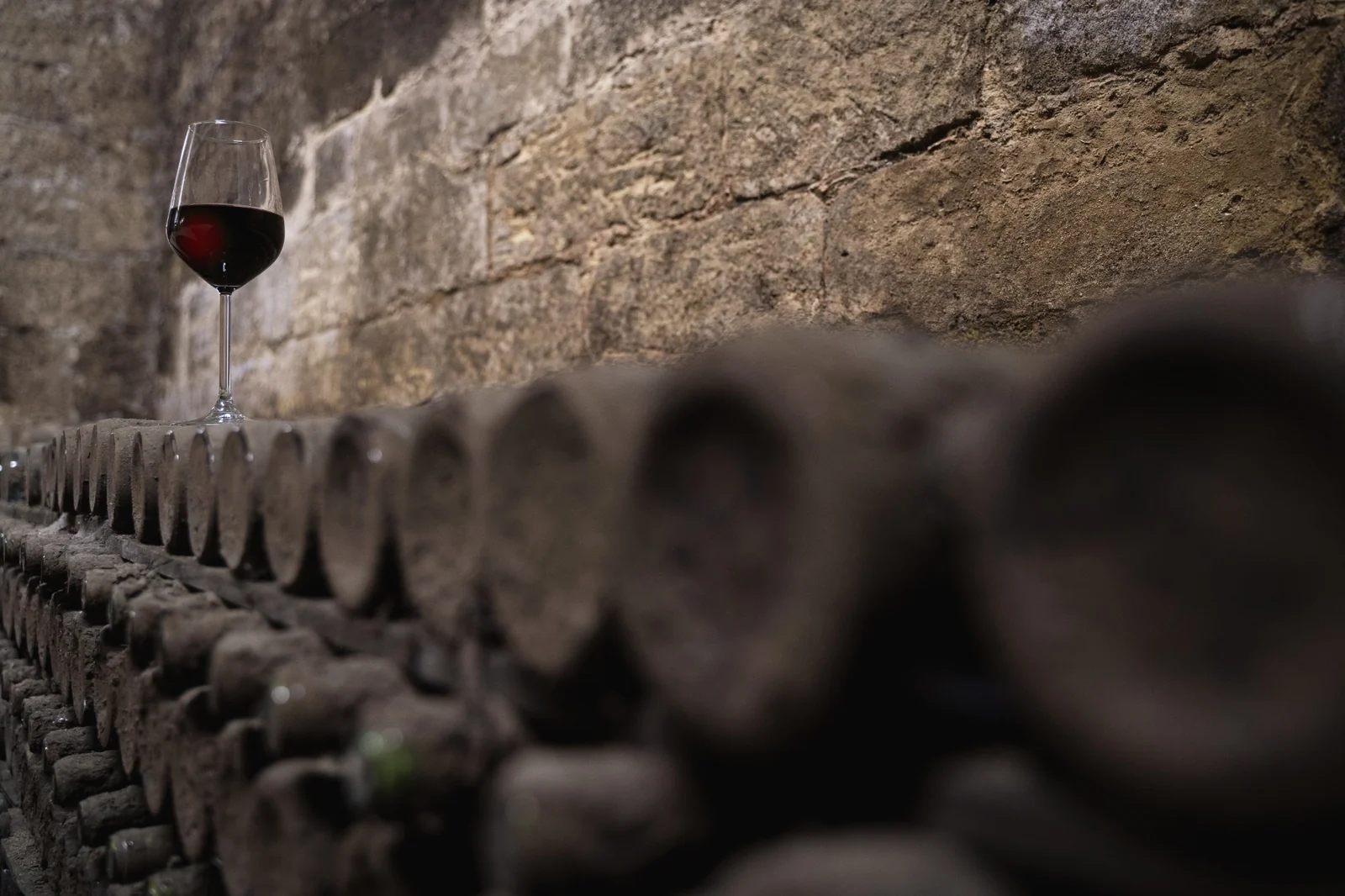
The myth “Sediment means the wine is past it”
The last few centimetres of wine in the bottle suddenly look as though they have been for a little walk in the woods. Dark deposits! Surely something must be wrong.
Sediment can form in red wine as pigment and tannin compounds develop and settle out. Lightly filtered wines can also contain suspended particles. These deposits alone do not establish that a wine has spoiled. They can, however, feel gritty or taste bitter, which is why it is best to leave them behind by pouring carefully or gently separating the wine from its sediment. To judge whether a wine is faulty, you also need to consider its smell and taste.
True or Nonsense?
Nonsense. A little history at the bottom of the bottle is not an obituary for its contents.
Further Reading
- Should Old Wine Be Decanted for Hours?
- Are Crystals in Wine Shards of Glass?
- How to Serve Wine Properly
- Explore All Wine Myths
Sources
Die Weinpost