True or Nonsense?
Where Does the Cherry Aroma in Wine Come From?
How wine develops aromas reminiscent of cherries, and what a scent tells you about the ingredients.
1 min read
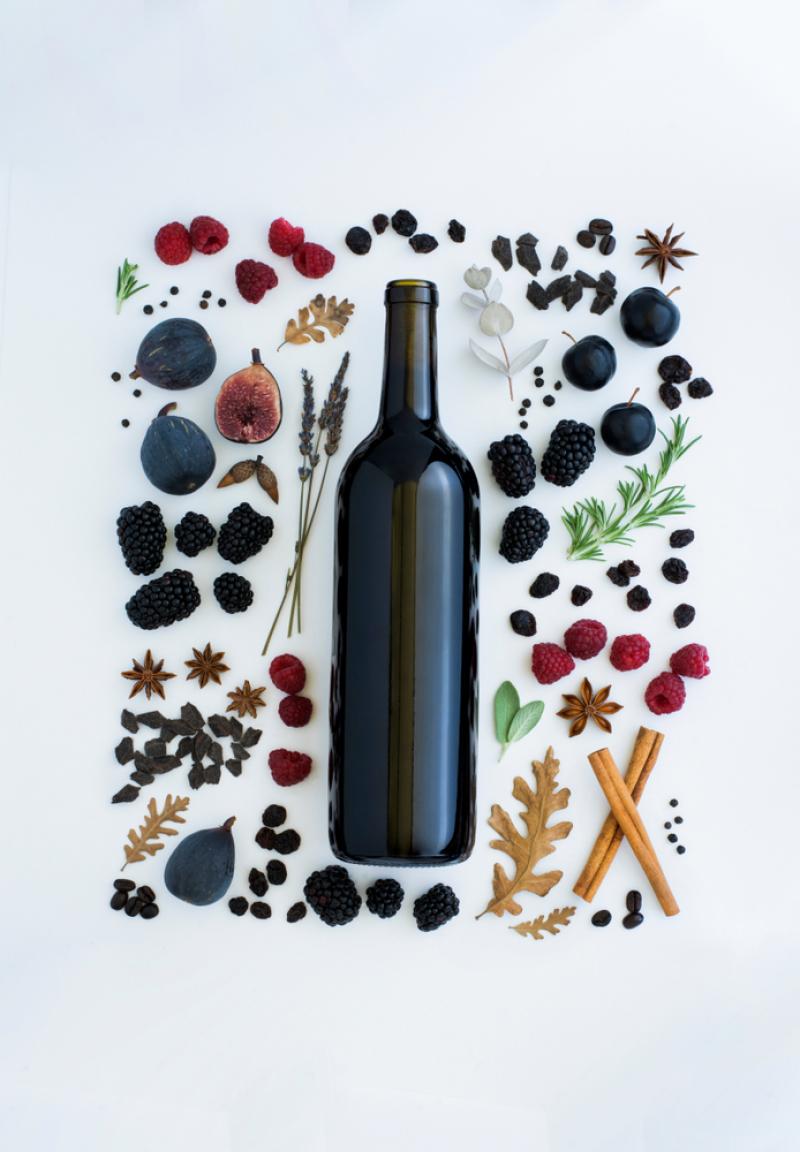
The myth “If it smells of cherries, cherries must have been added”
“I can smell cherries,” someone says. “Then they must have put some in,” replies the pragmatist in the group. By that logic, though, a Sauvignon Blanc would have to arrive with a rather impressive crate of fruit and herbs.
Wine develops aromatic compounds from the grapes, during fermentation, and through maturation or ageing. Some of these remind us of fruit, flowers or spices. That resemblance does not mean the corresponding foods have been added. Aroma descriptions help us put sensory impressions into understandable terms. They are not an ingredients list.
True or Nonsense?
Nonsense. A cherry aroma can develop without a single cherry stone in sight. Your nose draws on memories; it does not audit the shopping list.
Further Reading
- Does Fruity Wine Automatically Taste Sweet?
- Where Does the Vanilla Aroma in Wine Come From?
- Which Aromas Can You Taste in Wine?
- Explore All Wine Myths
Sources
Die Weinpost