Wine knowledge
What Flavours Can You Taste in Wine?
Winegrowing has stirred passions for millennia. There is a wealth of grape varieties. In Germany alone, nearly 150 different varieties are commonly known. The individual grape varieties play a decisive role in determining how wines taste.
5 min read
The Aromas of Grape Varieties
This is where the aromas of the individual grapes come into play. Wines made from the same grape variety share comparable characteristics, regardless of where in the world they are grown.
Broadly speaking, grape varieties fall into two categories: those used to make white wine and those used to make red wine. Between the two, the world of wine is far more colourful than one might assume, and there is plenty of experimentation. A blend, for instance, consists of three or more wines. Since the red pigment in grapes is usually found only in the skins, the experiment of making white wine from red grapes also succeeds.
So Which Wine Tastes Like What?
Wine professionals have their own term for evaluating wines: "sensory analysis". This involves more than just the actual taste of the wine. Our senses begin engaging with the aromas in the glass much earlier. The colour appeals to the eye. When we smell the wine, memories come alive and expectations are awakened.
The aim is not necessarily to describe the wine with particular expertise, but to use all our senses to perceive what it conveys to us. Whether this happens consciously or unconsciously is initially of secondary importance. One might even say that the taste of wine on the tongue seems almost incidental, since we largely smell what a wine tastes like.
The Scent of a Wine Is Known as Its Bouquet
We are therefore not dealing with a single aromatic compound; with most wines, we are served a whole bouquet of them in the truest sense of the word.
The aromas themselves can be broadly divided as follows:
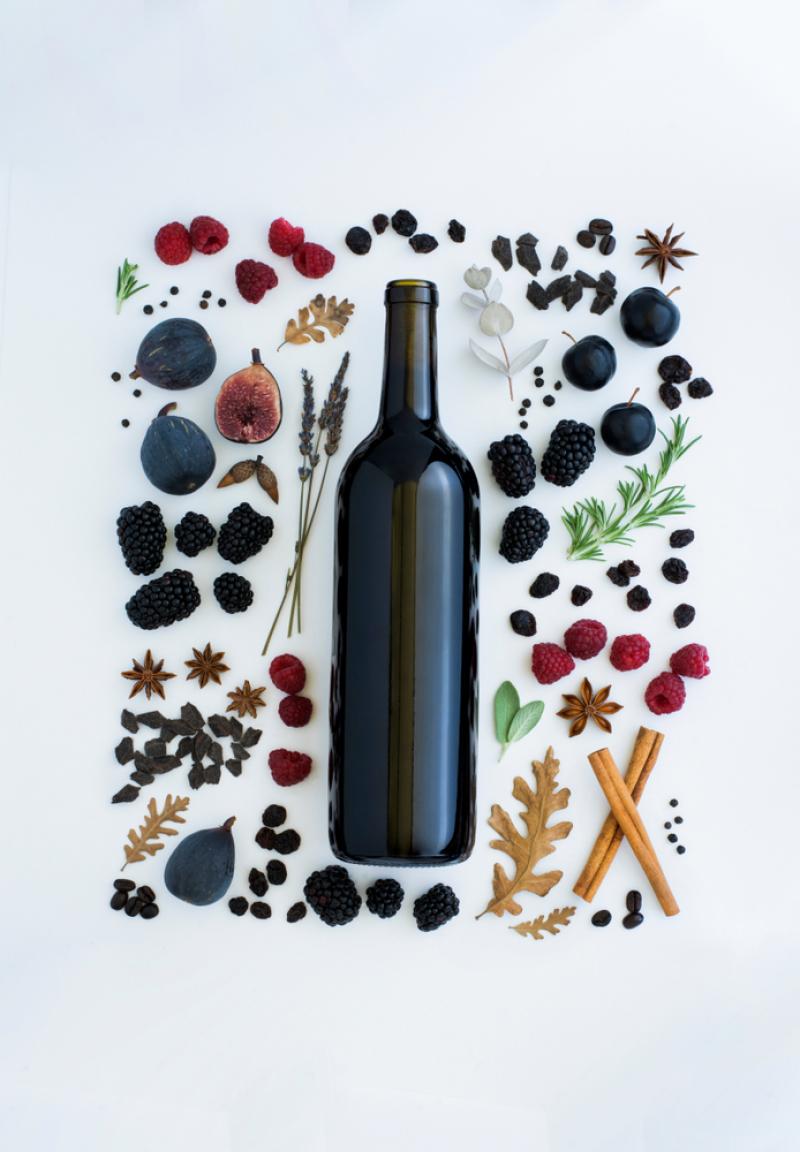
- fruity aromas
These come from the flesh and skins of the grapes. Common fruit aromas include pineapple, cherry, raspberry, gooseberry and plum.
- woody aromas
Wines with woody aromas have been matured in oak barrels. Grape seeds also produce woody aromas. Wines matured in wooden barrels can also display toasted notes.
- mineral aromas
Mineral aromas come from the soil in which the vines grow. Notes of slate or flint are common.
With white wines, particular emphasis is placed on the wines tasting true to their variety and being made from a single grape variety. Soil, vineyard site and climate have a major influence on the flavour and quality of the wine. Aromas differ from one growing region to another. Common aromas in white wines include lemon, mandarin, pepper, peach, apple and gooseberry.
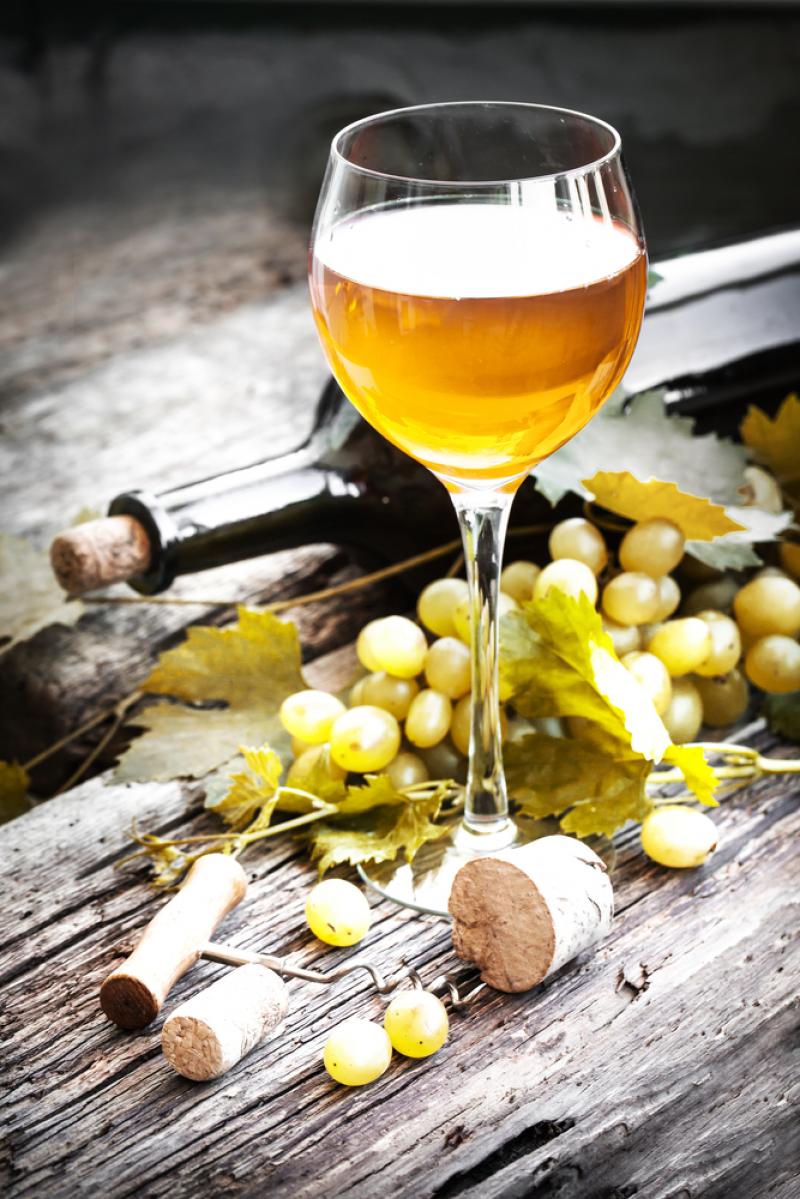
White Wines at a Glance
Chardonnay
Chardonnay is a traditional grape variety from Burgundy, where some of the world's finest white wines are made. The Chardonnay grape is quite hardy and is therefore grown worldwide. Chardonnay grapes grown in Chile, Italy, South Africa or Australia produce very different wines. Wines made from Chardonnay are characterised by a nutty character. Aromas of banana, lemon, honeydew melon and grapefruit predominate.
Gewürztraminer
Gewürztraminer has shaped winegrowing in Germany for 500 years. The reddish grapes are quite demanding when it comes to vineyard site and cultivation. The South Tyrolean village of Tramin gave the variety its name. Most Traminer grapes ripen in Alsace. With its aromas of pineapple, mandarin, honey or roses, Gewürztraminer pairs very well with spicy meat dishes and cheese.
It Doesn't Always Have to Be Red Wine - White Wine with a Festive Roast
Riesling
Riesling epitomises Germany's winegrowing culture. Riesling wines were being produced in the Rheingau as early as the Middle Ages. The Riesling grape accounts for a quarter of Germany's total vineyard area. Most vines thrive in the Palatinate or along the Mosel. Riesling offers an aromatic bouquet of peach, apple, apricot and citrus fruit. Light vegetable or fish dishes are ideal companions for Riesling.
Silvaner
Silvaner is one of the oldest grape varieties found in Germany. The vines were being cultivated in Franconia more than 350 years ago. The character of Silvaner wines depends largely on the nature of the soil. Aromas of apple, celery or fennel predominate. Silvaner is most often served with mushroom dishes or salads.
Sauvignon Blanc
Alongside Chardonnay, Sauvignon Blanc is one of Germany's most popular grape varieties. The world's finest Sauvignon Blanc wines are produced in the Loire Valley. These dry, spicy wines are characterised by aromas of herbs and grass. Pasta dishes or fish are ideal companions.
Scheurebe
Scheurebe takes its name from its breeder, Georg Scheu. This comparatively young grape was created in 1916 from Bukettraube and Riesling. The variety is very well suited to making ice wine. Its full-bodied flavour brings grapefruit and blackcurrants to mind. Scheurebe is served with fruit salads and other fruity desserts, as well as poultry or fish.
Scheurebe as a New White Wine Trend
Red Wines at a Glance
The diversity of aromas is more pronounced in red wines than in white wines. Depending on the growing region, the notes characteristic of each grape are joined by distinctive nuances that make the individual wines unmistakable. A wine connoisseur can, for example, immediately distinguish a Cabernet Sauvignon from Bordeaux from a wine made from the same grape overseas. The cellar master can also play a part in shaping the wine's flavour. During fermentation on the skins or maturation in wooden barrels, the flavour of the wine can be influenced more strongly than with white wines.
Cabernet Sauvignon
Cabernet Sauvignon is probably the best-known grape variety worldwide. Winegrowers have been experimenting with this noble variety for centuries. Cabernet Sauvignon was originally grown in the Bordeaux region. Today, however, it is also widely cultivated in Australia, South Africa and the USA. Cabernet Sauvignon can be recognised by its scent of currants. Eucalyptus, cedarwood and black pepper also define the aroma of these grapes. Serve a Cabernet Sauvignon with well-browned meat.
Merlot
Merlot is likewise one of the world's best-known grape varieties. Merlot grapes were being cultivated around Bordeaux as early as the 18th century. Some of the world's most famous Merlot wines still come from these vineyards today. Merlot is also grown extensively in Italy and overseas. Merlot wines are high in alcohol and have a soft finish. Aromas of plums, blackberries, cassis, vanilla or chocolate accompany the enjoyment of the wine. Merlot is the perfect partner for game dishes or poultry.
Pinot Noir
The Pinot Noir grape is native to France. It is believed that Pinot Noir grapes were ripening in Burgundy as far back as 1,000 years ago. Its cultivation has been officially documented since the 14th century. The best wines are produced on calcareous soils. The aroma reveals berry fruit, herbs, wood or clay.
Syrah
Syrah is a popular grape grown worldwide. The grape is thought to originate from Persia, where it has been cultivated for more than 5,000 years. Overseas, it is commonly known as Shiraz.
Zinfandel
Zinfandel is a grape variety that arrived in the USA around 1830 and is particularly popular in California. There, Zinfandel is the third most widely planted grape variety. Zinfandel is quite high in alcohol, and old vines impress with a peppery note and a harmonious balance.
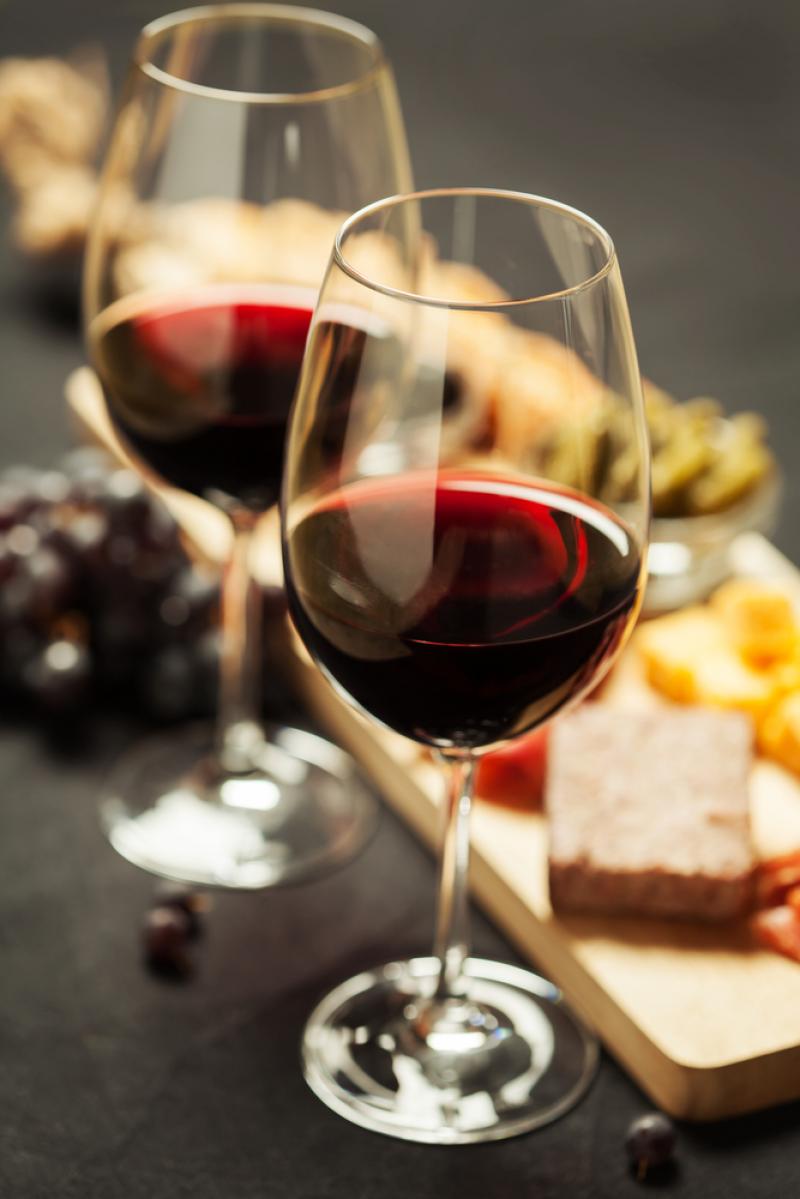

Discover Wine with All Your Senses
Every wine is an experience and holds its own little secret, even if the grape variety is well known. The growing region and local climate shape the wines, just as winemakers themselves can exert their influence, particularly on red wine. We have introduced you to certain generalisations about grape varieties and their aromas, but be sure nevertheless to approach every wine with an open mind and discover it afresh with all your senses.
Wines must be explored, experienced and enjoyed.
Die Weinpost