True or Nonsense?
Does Dry Wine Contain Residual Sugar?
How much residual sugar dry still wine may contain under EU rules, and why acidity matters too.
1 min read
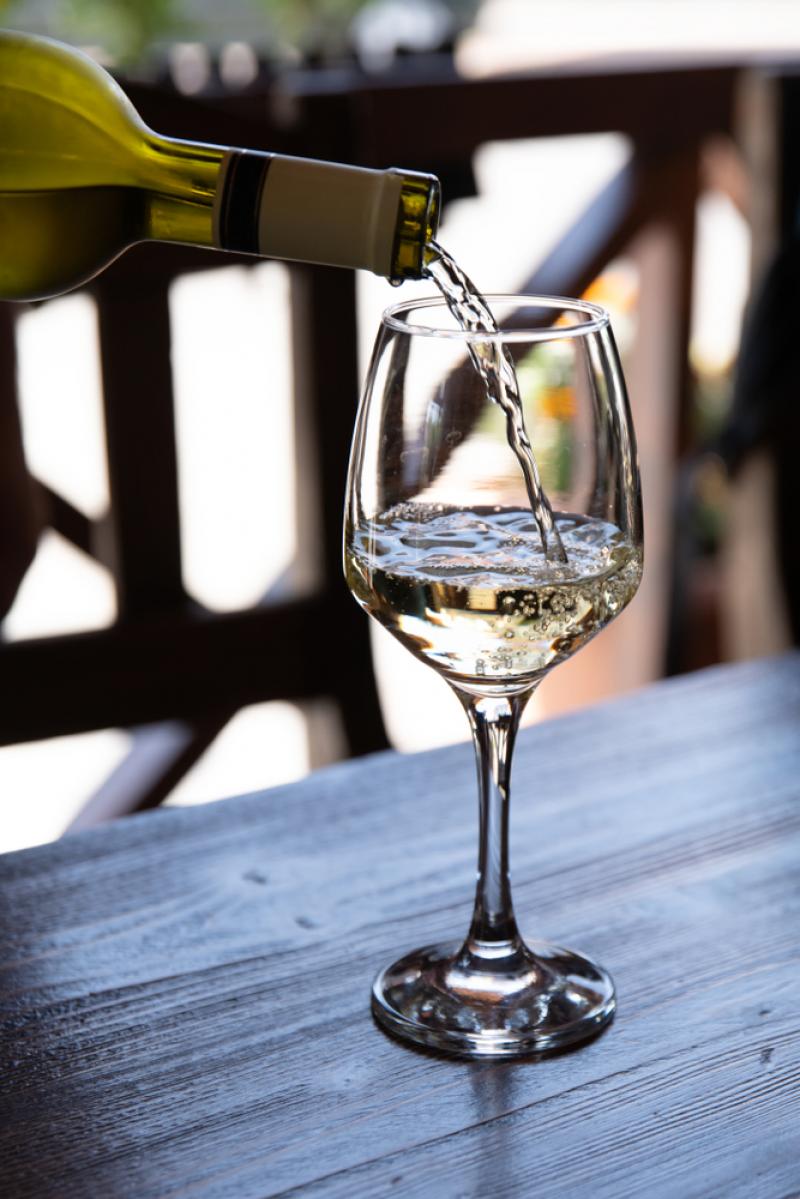
The myth “Dry wine contains no sugar”
“I drink dry wine. There's no sugar in it.” A statement delivered with the resolve of someone filing a tax return and the accuracy of a weather forecast for August two years from now.
For still wine, dry does not necessarily mean sugar-free. Under the EU labelling rules that apply in Germany, the designation allows a limited amount of residual sweetness. Up to 4 grams of residual sugar per litre are permitted. Up to 9 grams are allowed if the total acidity, expressed as tartaric acid, is no more than 2 grams per litre below the residual sugar level. How dry a wine tastes also depends on the interplay of its components. Acidity can balance sweetness on the palate without making it magically disappear.
True or Nonsense?
Nonsense. “Dry” is a taste designation governed by rules in the EU. That does not mean sugar has been banned from the premises altogether.
Further Reading
- How Sweet Is Feinherb Wine?
- How Dry Is Sekt Labelled Trocken?
- Riesling: A Grape Variety Profile
- All Wine Myths at a Glance
Sources
Die Weinpost