Wine knowledge
Champagne
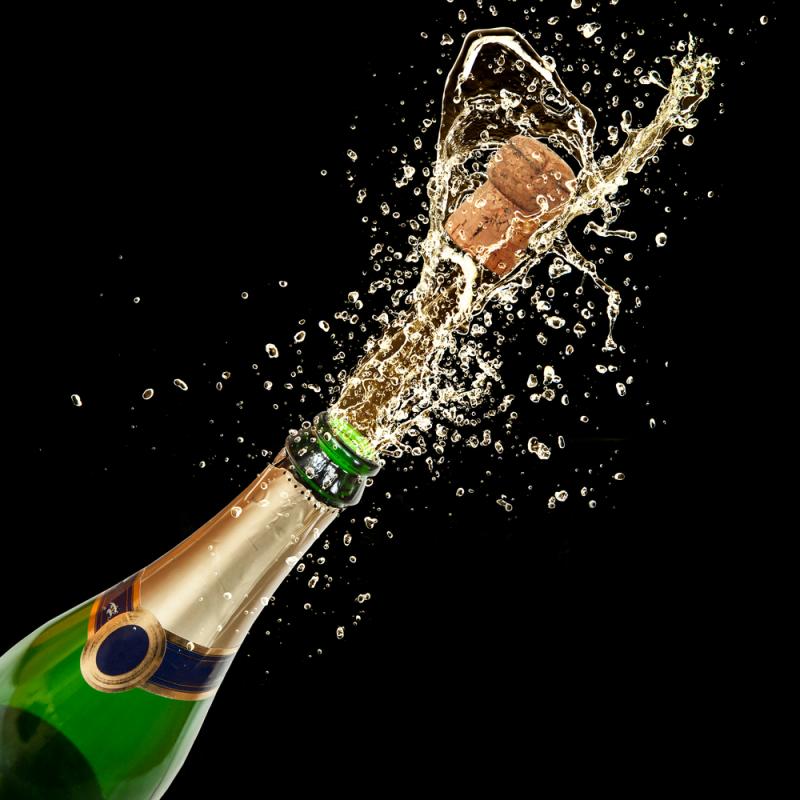
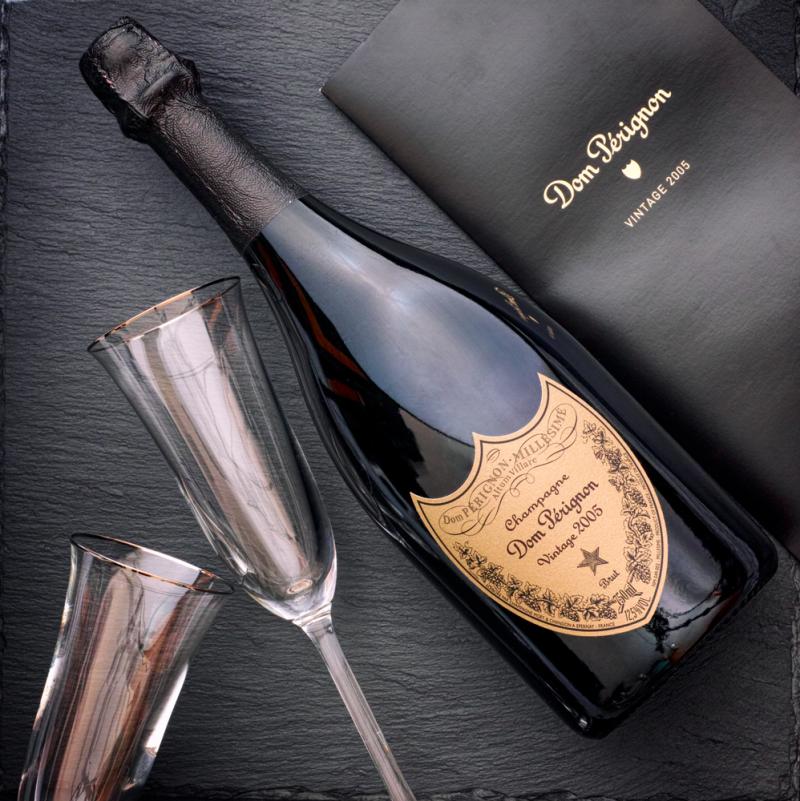
Champagne brands such as Veuve Clicquot, Moët Chandon, the Benedictine monk Dom Pérignon or Laurent Perrier always sound heaven-sent.
7 min read
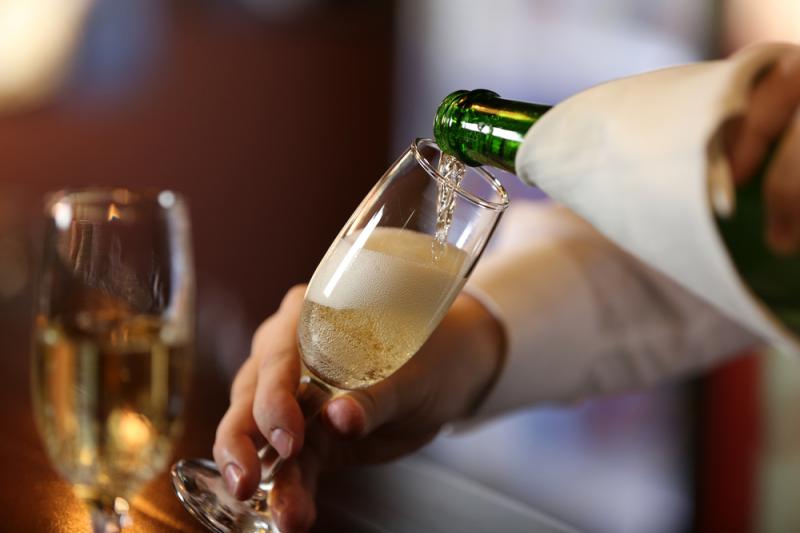
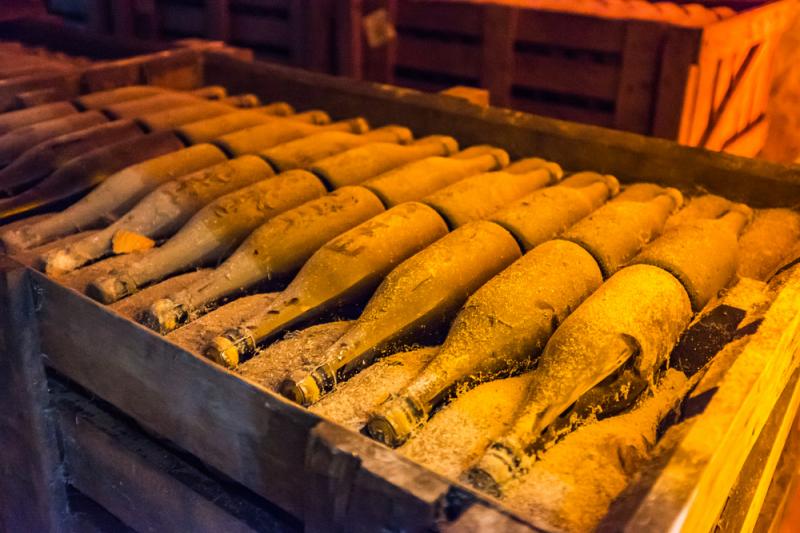
France is famous for all sorts of things, but there is one thing our neighbours really have not done by halves. Of course, we are talking about sparkling wine. But not just any sparkling wine — the sparkling wine that makes all the difference. Champagne brands such as Veuve Clicquot, Moët Chandon, the Benedictine monk Dom Pérignon or Laurent Perrier — the names always sound like being given another sip from heaven. And that was just as true a hundred years ago as it is now, in December 2020.
Where Champagne comes from
In Champagne, it is the winegrowing villages, not the estates or vineyards as here in Germany. There is a scale to help classify Champagne and its prices. It ranges from 80% to 100%. And now things get interesting — villages scoring 100% on the scale are allowed to print the designation Grand Cru on their bottles. Grand Cru could be compared here to a Grosse Lage in Germany. However, the term often does not appear on the bottle at all, since Grand Cru and cuvées (that is, a sparkling wine made from several different grape varieties) do not go together. That is why Champagne very often bears the name of the house as its trademark, even though the grapes individually are all Grand Cru. The most famous of the 17 Grand Cru villages are Ambonnay, Avize, Aÿ in the Vallée de la Marne, Bouzy, Cramant, Le Mesnil-sur-Oger, Oger, Verzenay in the Montagne de Reims and Verzy
Here you can find Champagne — Always a supreme pleasure
What is Champagne?
It is quite simple. In principle, a sparkling wine may only call itself Champagne if it comes from Champagne and has been made using the Méthode Champenoise. And it makes no difference whether it is a Grand Cru or a Premier Cru. Incidentally, Champagne is not the only thing to come from Champagne — the term Blanc de Noirs for white wine made from dark grapes was also originally coined in Champagne.
Champagne's most famous grape variety
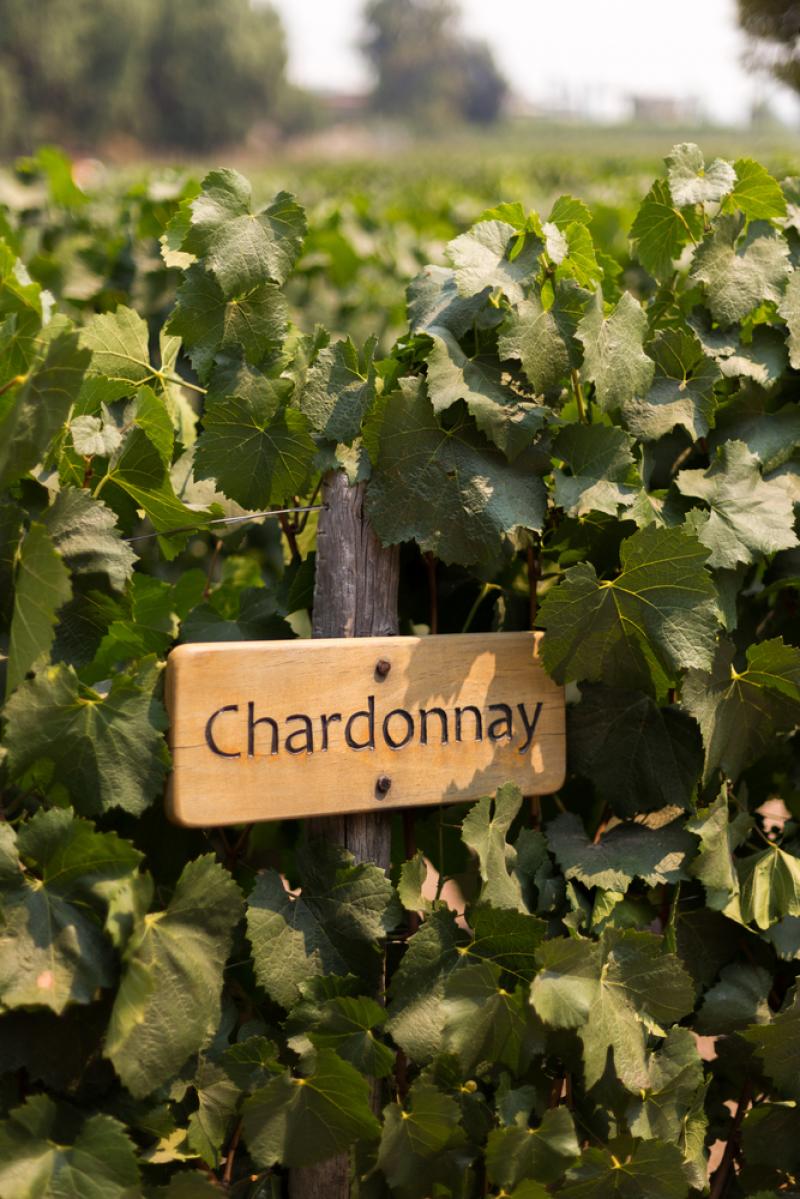
The most famous grape variety used for Champagne is Chardonnay. Not only is it the world's number one for white wine, it also sets its own standards in Champagne. If a Champagne is made exclusively from Chardonnay, it is called Blanc de Blanc. Most Chardonnay grapes, incidentally, are grown on the Côte de Blanc. But red grape varieties also make Champagne a special experience. Historically, only three varieties in total were permitted; the two red varieties were Pinot Noir and Pinot Meunier, which together account for 76 per cent of the vineyard area.
How long Champagne keeps
Basic Champagnes without special designations for outstanding vintages or growers generally reach their peak within two years. Vintage Champagnes, on the other hand, have the potential to develop and reach greatness in the bottle for up to 10 years. One simple rule is that the longer a Champagne has previously spent on its lees, the faster it develops in the bottle. Some growers now put markings on the bottle to determine the perfect moment for what is known as disgorgement. Disgorgement means removing the yeast from the neck of the bottle and topping up the missing volume with dosage (a final splash). Otherwise, only the shape of the cork after opening allows certain conclusions to be drawn about the time elapsed since disgorgement.
An open bottle of Champagne should be drunk as soon as possible. Only with a proper stopper that can withstand the pressure can the bottle last for just under another day. After that, the beauty of any Champagne will have departed.
The grape harvest — les vendanges
The grape harvest usually takes place in late August or early September. The grapes are picked by hand and carefully transported to the press (le pressoir). Pressing produces 2 different musts. The first pressing is called “Cuvée”. It is high in acidity and yields wines with longer ageing times. The 2nd and 3rd pressings, called “Taille”, are used for wines with shorter ageing times.
Pressing is over; now it is time to clean the musts, a process known as preliminary clarification.
Preliminary clarification — le débourbage
Soil and pectin are now removed from the grape musts. Pectins make the grape must cloudy and viscous. Pectins and soil have the advantage of being heavier than grape must. They therefore settle at the bottom of the fermentation tank within a day. But do not worry, something can be made from that too. The muddy sludge (les bourbes) is sent to the distillery, where it is used to make high-proof “firewater”.
The clear grape must now goes into another fermentation tank, and racking (le soutirage) begins.
A little sugar is then added to the grape must to improve its sugar content, as there is often not enough sunshine in the Champagne region before the harvest. This enriches the must (la chaptalisation). But every grower does this differently, according to how well or poorly the year's weather has treated the grapes.
The first fermentation — la fermentation
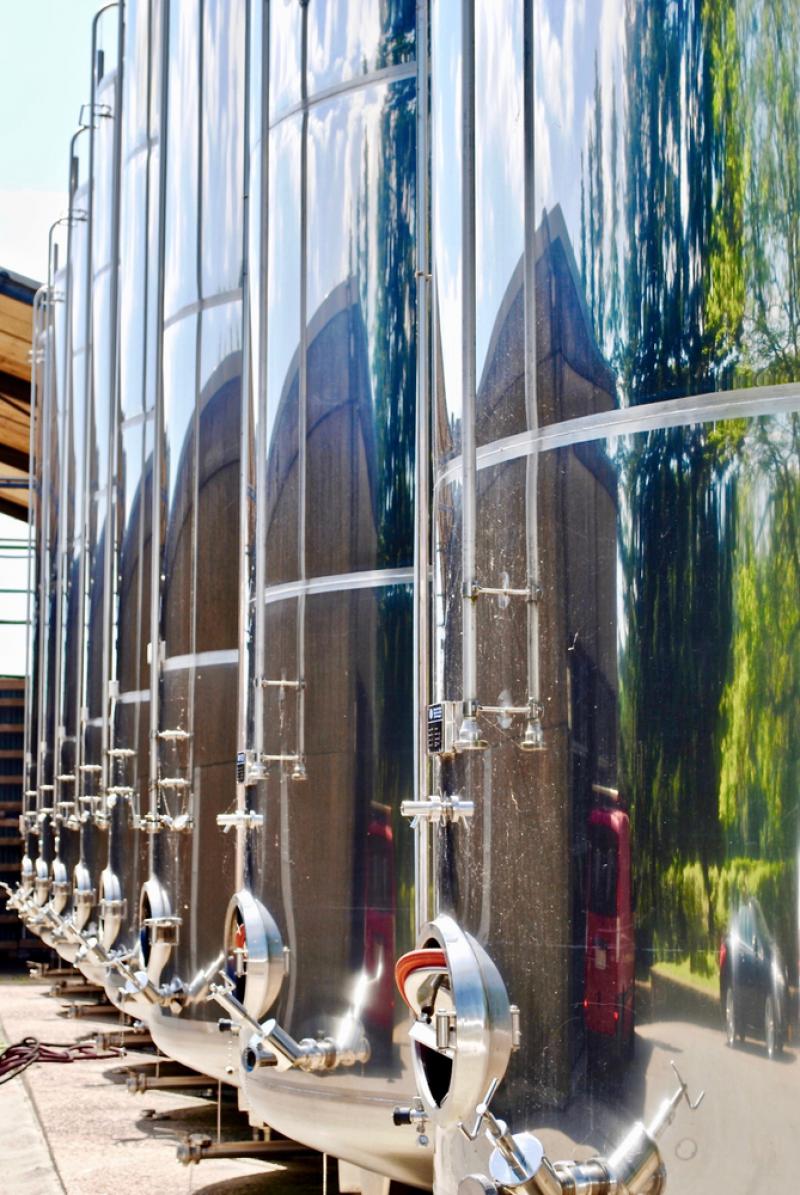
The grape must goes into a stainless-steel tank to ferment. The first fermentation is complete after 4 to 6 weeks at a controlled temperature of 18°. During this process, the sugar is converted into alcohol. Naturally, this requires yeast, which is added. The alcohol is produced all the faster, as we know. This alcoholic fermentation takes place through the addition of yeast. The wine is transferred to another fermentation tank and cleared of yeast.
The wine now goes into yet another fermentation tank, and the journey from becoming alcoholic to sparkling with bubbles begins. A first test, a second test, and the grower can say whether this will be a good vintage.
Blending — l’assemblage
Now begins the truly creative phase, when the grower and cellar master can bring all their skills into play. The wines are now ready for blending. The grower and cellar master decide which grape varieties, which vintages (known as reserve wines), and which different sites, plots or parcels they want to combine, mix or “marry”. These different components allow the winemaker to give the Champagne its distinctive harmony and personality. This is not merely dry theory. Each variation must actually be mixed together in a tasting cylinder and tested before the best blend can truly be tasted.
Bottling — le tirage
Once that has been established, the journey into the bottle and the cellar begins. After the composition of the cuvées for the current year has been decided, the wine is bottled, legally from 1 January following the harvest, but usually in April or May. As a rough rule of timing, the right moment is 7 to 8 months after the harvest. At this stage, natural yeasts and another small amount of sugar are added to the wine. The cork or cap is then put on the bottle, and the 2nd fermentation begins.
The second fermentation — la prise de mousse
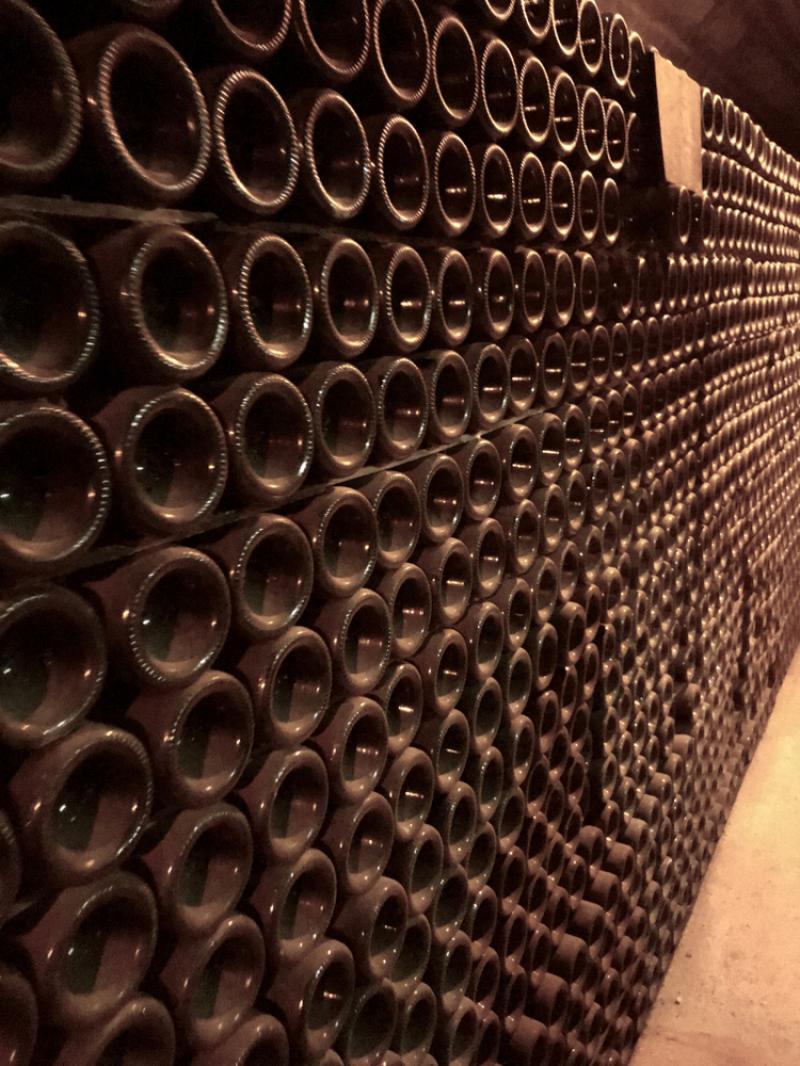
The bottles are stored in the cellar. The 2nd fermentation requires at least 15 months after bottling (as stipulated by law). Once the yeast has consumed the sugar, producing alcohol and carbon dioxide, it forms a deposit. During this 2nd fermentation, the Champagne develops. Little by little, its mousse and aroma emerge.
After 15 months of fermentation, some growers decide to sell the Champagne, while others let it mature further to develop older, more flavoursome aromas. For Millésime Champagne (vintage Champagne), the fermentation period is legally set at 3 years. After that, these Champagnes are simply stored in the cellar.
Riddling — le remuage
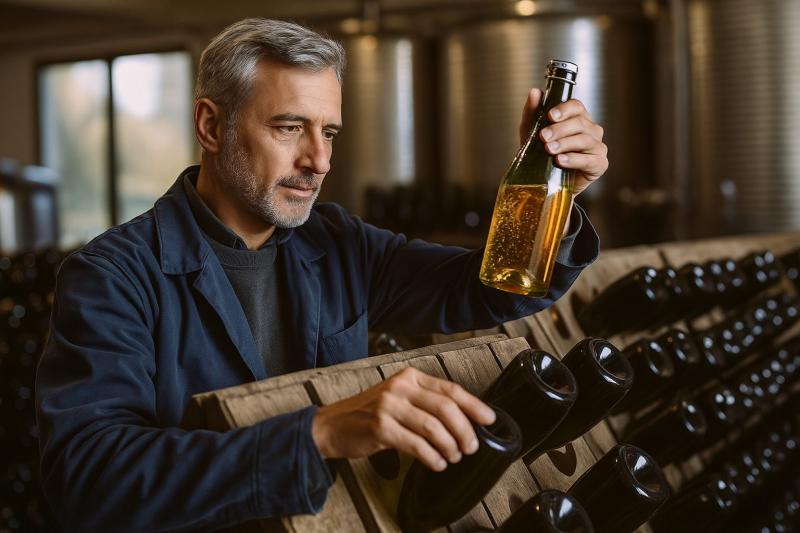
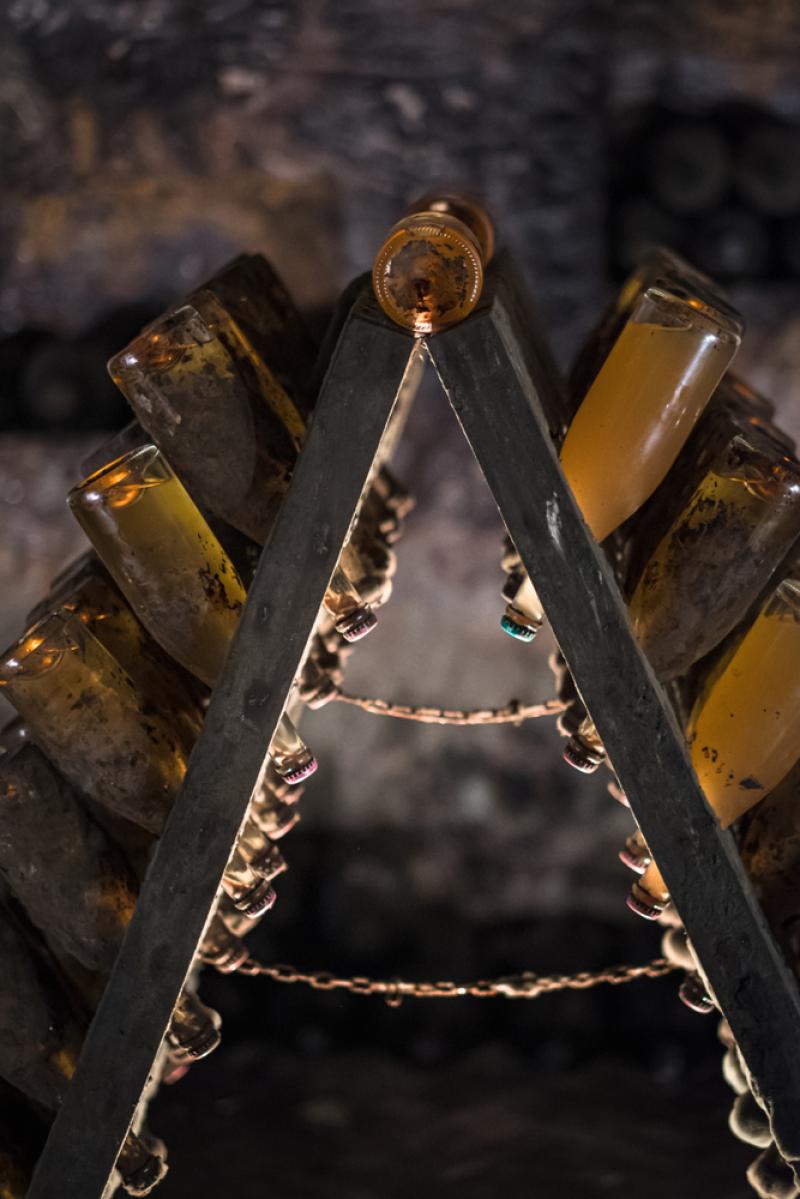
The yeast has done its job and can now be removed from the bottles. First, however, it has to be moved towards the neck of the bottle. This happens after the 2nd fermentation. The bottles are placed on pallets or, in the traditional manner, inserted into so-called riddling racks.
A riddling rack looks like a large wooden board with holes drilled at an angle. The necks are inserted into these, and the bottles are turned over several weeks. The effect is very simple to explain: the yeast deposit slowly moves towards the exit.
Riddling on a riddling rack takes about 1 month, and on a pallet 1 week!
Cellar ageing — le vieillissement en cave
Moet Champagne, Veuve Clicquot or Dom Pérignon — many great names with plenty of “potential” (body) can also be stored for up to 25 years! There are 2 options for storage.
- on the lees (la conservation sur lies), directly after the 2nd fermentation, without “disgorging” it
- the Champagne is disgorged, the volume lost with the deposit is topped up, and it is then stored.
These two methods create different sensations of colour (beautiful rosé Champagnes are also produced this way) and flavour.
Longer storage also has an effect on the formation of mousse. As pressure is lost, the bubbles become finer and the mousse diminishes. It is almost absent in older Champagne, making it very elegant and superbly drinkable.
“Disgorgement” — le dégorgement
At this stage, the yeast deposit is to be expelled from the bottle. To do this, the neck of the bottle is immersed in a bath at around -30°, causing the yeast deposit to freeze. The cork is removed from the bottle, and the pressure inside shoots the yeast deposit and a small sip of frozen Champagne out of the neck.
Of course, it can still be done in a slightly more nostalgic way. The yeast deposit can also be removed through a very specialised operation — in French, it is called "dégorgement à la volée". The yeast deposit is expelled from the bottles by hand using a "dégorgeuse".
Because a little Champagne is always lost in the process, the bottle is topped up with other Champagne. A small dose of cane sugar is added to this “replacement charge”. Depending on the amount of sugar, the Champagne is now extra-brut, brut, sec or demi-sec.
The finishing touches
It is time for the final cork, complete with wire cage. The bottles usually remain in the cellar for almost another 4 months after disgorgement. This allows the added sugar to blend thoroughly with the wine, creating the perfect Champagne. During finishing, a tin-foil capsule is placed over the neck, and a neck band and label are applied to the bottle. Et voila, the Champagne is ready for its journey around the world and towards its ultimate destiny.
Die Weinpost