Wine knowledge
Germany’s Answer to Champagne
Champagne is glamorous, but grower Sekt is authentic. More and more German wine estates are discovering Sekt as a premium product – and writing success stories.
1 min read
A Look Back
Germany is the world champion in Sekt consumption: around 2.8 litres per person annually. Yet large wineries dominated the market for decades. Brands such as Rotkäppchen and Henkell bottled millions of bottles – mostly from imported base wine. The result: uniform flavour.
The Grower Sekt Revolution
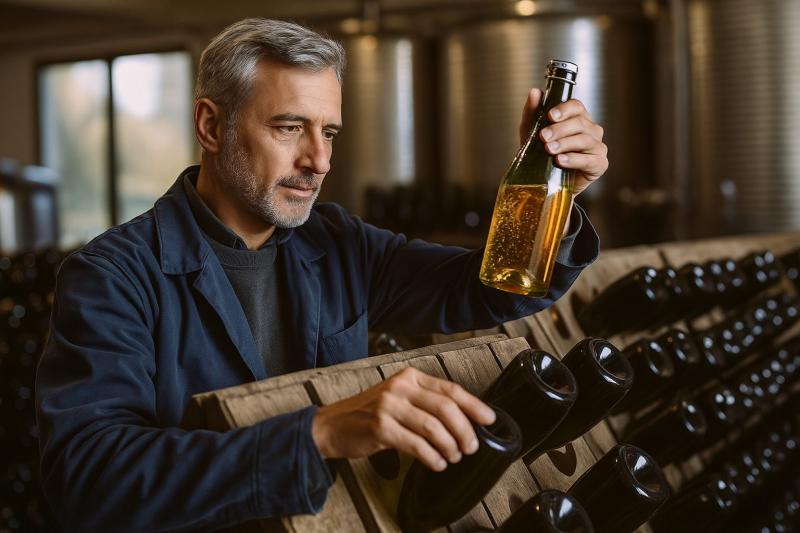
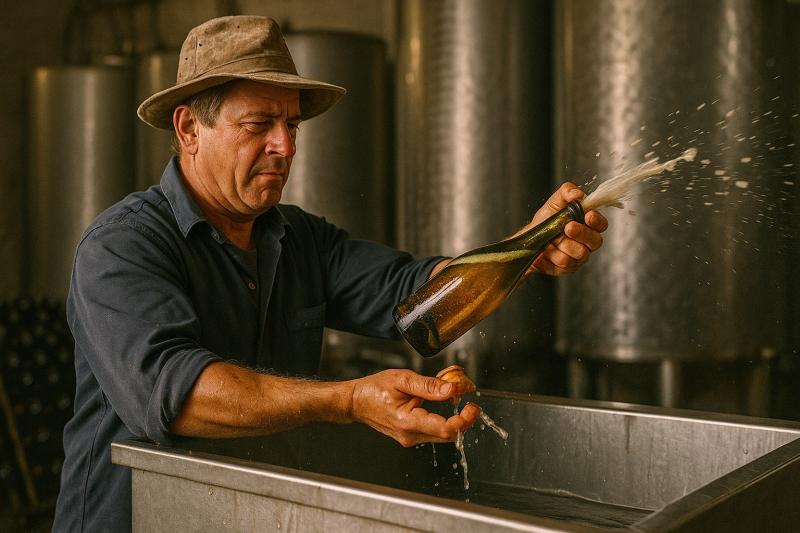
Since the 2000s, the tide has been turning. Young winemakers are embracing traditional bottle fermentation, extended lees ageing and regional grape varieties. Rather than mass production, they focus on small batches of the highest quality.
Examples:
The Reichsrat von Buhl estate (Pfalz) invested millions in its own Sekt cellar – and now produces Riesling Sekts that can hold their own against Champagne in blind tastings.
In Franconia, the Fürst Löwenstein estate is regarded as a pioneer of Silvaner Sekt.
Even small producers such as the Bamberger estate in the Nahe win awards with artisan sparkling wines.
Riesling Sekt as a Unique Selling Point
Riesling is Germany’s trump card. While Champagne relies on Pinot Noir and Chardonnay, Riesling offers incomparable freshness and acidity. International critics have long spoken of “German Sparkling Riesling” as a category in its own right.
Markets and Opportunities
German grower Sekt is enjoying increasing export success. In Scandinavia and the USA, it is seen as an exciting alternative to Champagne – more affordable, with a distinctive flavour of its own.
Conclusion
Grower Sekt is no longer an imitation, but an original. It embodies the new strength of German winegrowing: confident, quality-driven and authentic.
Die Weinpost