Wine knowledge
The Green Revolution in German Viticulture
*Fungus-resistant grape varieties are transforming German viticulture. With fewer crop protection treatments, strong sustainability credentials and innovative flavour profiles, Piwi wines are the future.*
1 min read
Why Piwi varieties are so important
Viticulture is considered one of the most intensive forms of agriculture. Vines are susceptible to diseases such as mildew and Botrytis. In traditional vineyard sites, winegrowers had to apply crop protection products up to 10–15 times per season. That is changing with Piwi vines.
What “Piwi” means
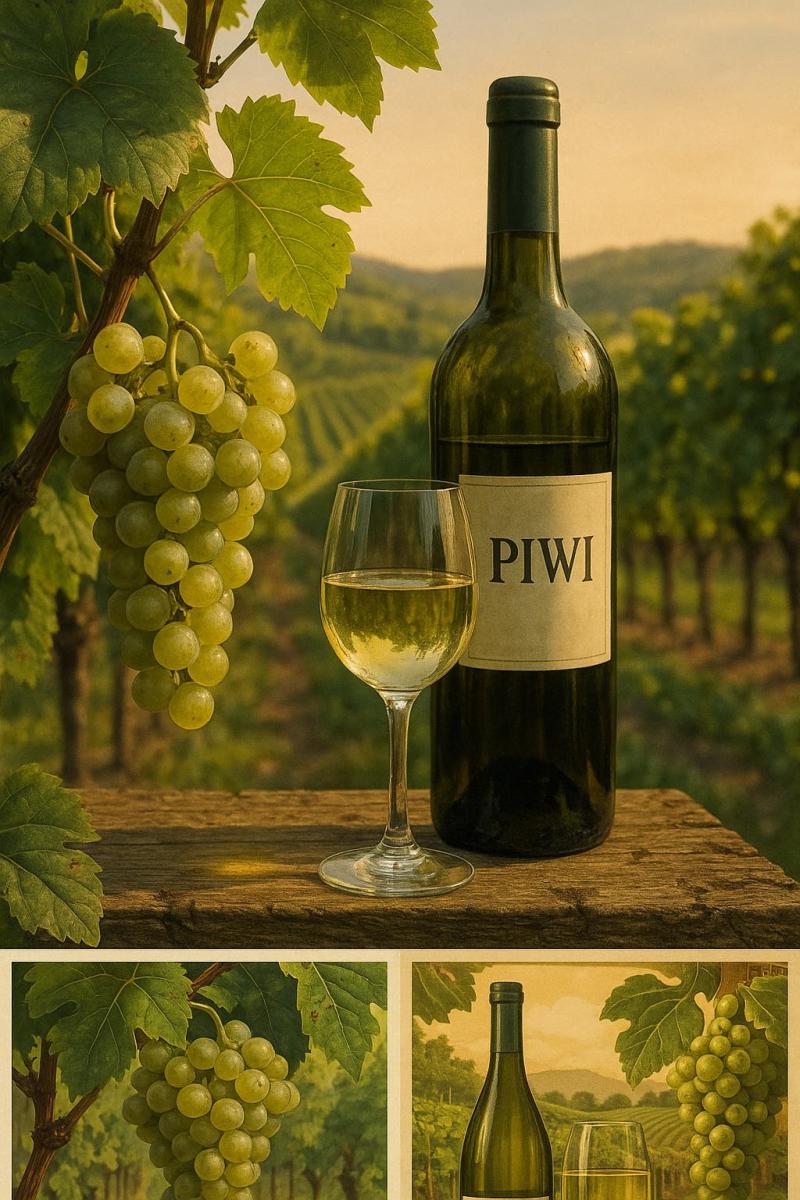
“Piwi” stands for “fungus-resistant”. Targeted crossbreeding – not genetic engineering – produces grape varieties that are resistant to common fungal diseases. This dramatically reduces the use of fungicides.
Examples of Piwi wines
Varieties such as Regent, Solaris and Johanniter are now firmly established in many German vineyards. They produce distinctive aromas: Regent evokes a robust red wine, while Solaris yields fruity, exotic white wines.
Sustainability as a selling point
Piwi varieties are perfectly suited to an age in which consumers expect environmental responsibility. Reduced pesticide use protects soils, water and biodiversity. For winegrowers, this means lower costs and fewer trips through the vineyards – and therefore a better CO₂ footprint.
Critical voices
Piwi wines long had a reputation for being unable to compete with classic varieties. Some wine lovers felt they lacked elegance and depth. Yet new generations of crosses show that quality and sustainability are compatible.
Conclusion
Piwi is the future of viticulture – not just in Germany. Anyone who loves wine and also wants to take responsibility for the environment and the climate cannot ignore them.
Die Weinpost