Wine knowledge
Food Pairing as a Pleasure Booster
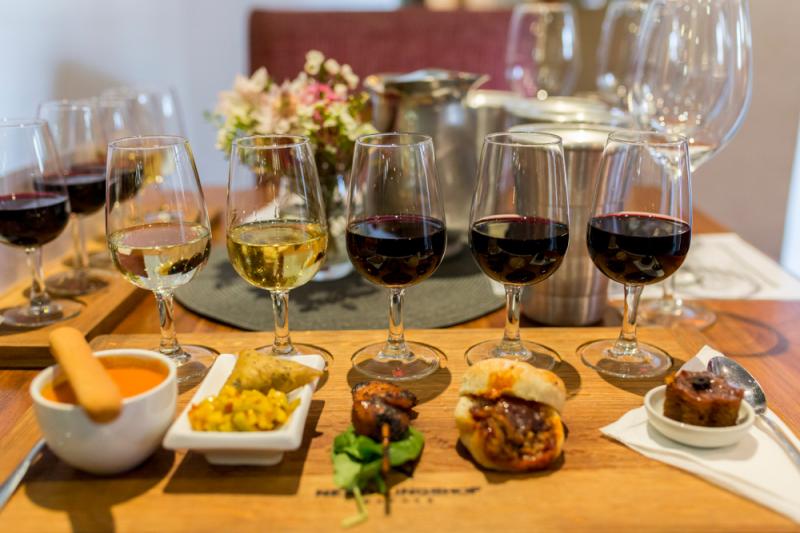
Food pairing, also known as wine-food matching, refers to the art of combining the right foods and wines to enhance the tasting experience. It involves matching the various aromas, textures and flavours of wines and foods to create a harmonious overall experience.
1 min read
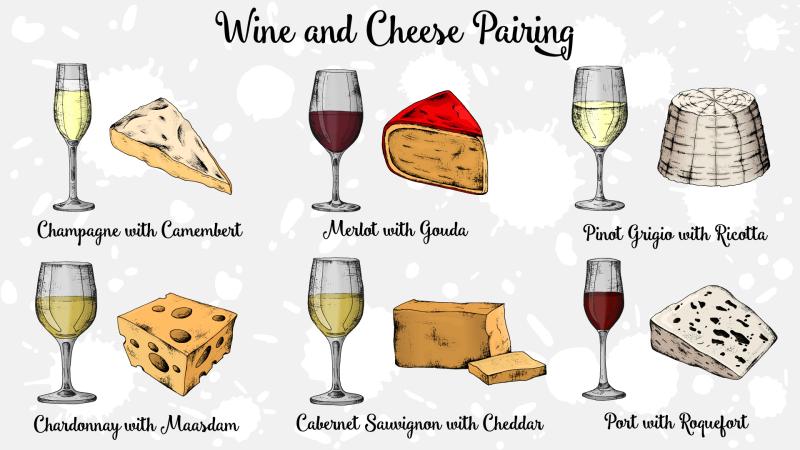
A basic rule of food pairing is that the flavours of the wine and food should be in harmony. For example, a full-bodied Cabernet Sauvignon pairs well with a juicy steak, while a light Chardonnay is better suited to a fish dish. The aromas of the wine and food should also complement each other rather than compete and overwhelm.
Another important consideration in food pairing is texture. This involves bringing the texture of the wine into harmony with that of the food. For example, a creamy Chardonnay pairs well with a creamy pasta dish, while a dry Riesling is better suited to a light salad.
Another important consideration in food pairing is the concept of "cutting through" or "balancing". This involves enhancing the flavour of the wine through the food or, conversely, enhancing the food through the wine. For example, a full-bodied Cabernet Sauvignon can soften the flavours of hot or spicy dishes, while a sweet dessert wine can highlight the flavours of sweet desserts.
It is important to note that food pairing is an art and that there are no hard-and-fast rules. It is about trying different combinations and discovering what works best for you. The best way to learn about food pairing is to try different wines and foods and take notes to understand what works and what does not.
In summary, food pairing is an important consideration for any meal, as it can enhance the tasting experience and considerably increase the enjoyment of wine and food.
Die Weinpost