Wine knowledge
Wine: A Natural Product
Humans have always shaped and influenced wine culture. Yet at the beginning, the very beginning, stands nature itself. The soil in which the vines mature and the climate that accompanies this process provide the natural foundations for the wine that later fills the glass.
4 min read
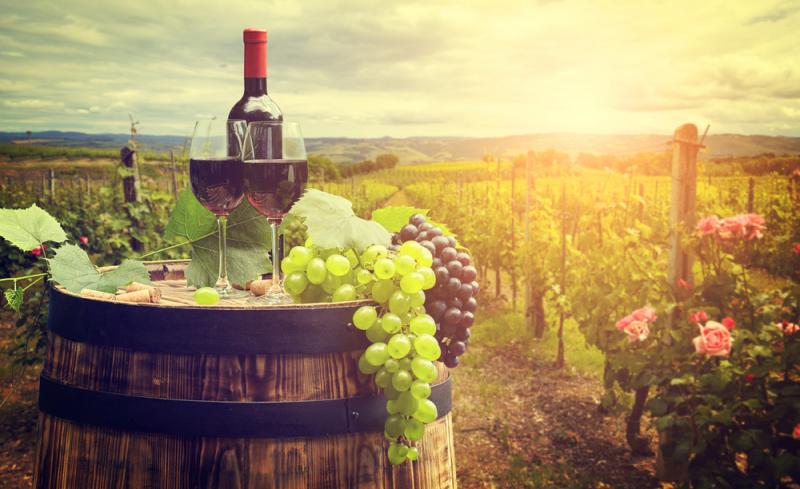
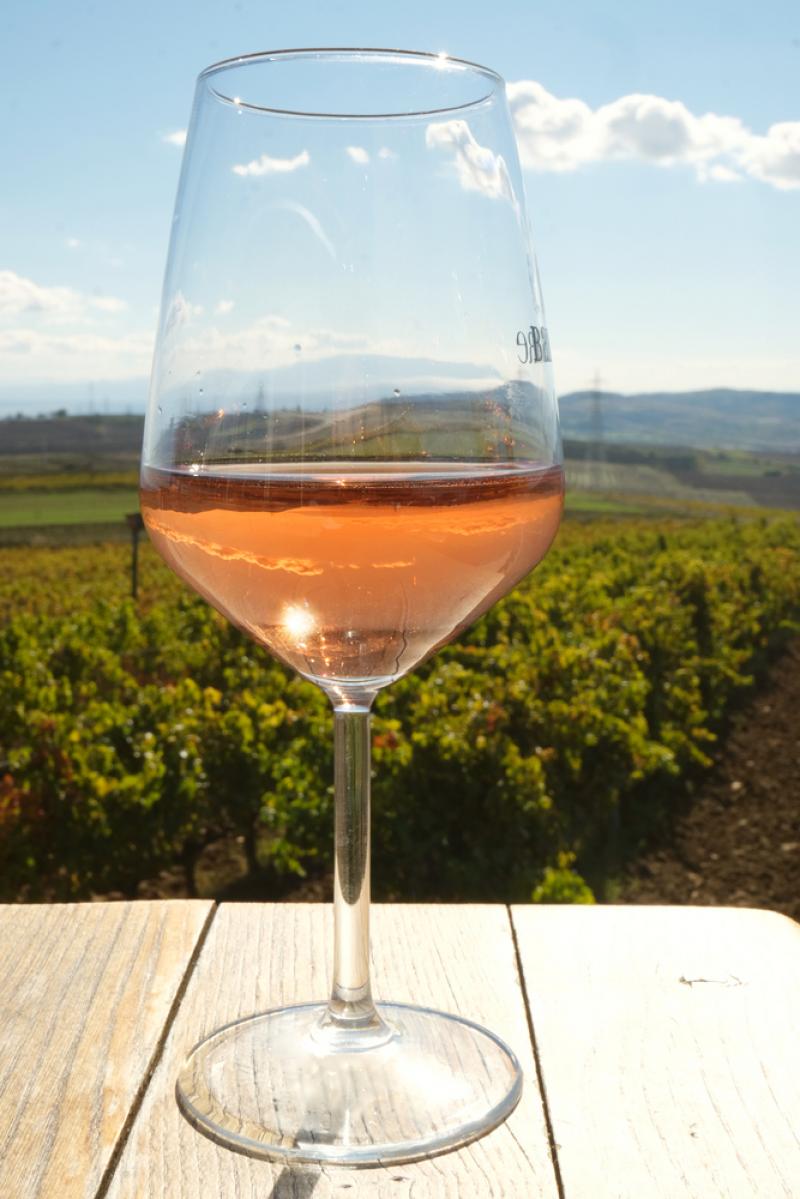
Humans can guide this development with their knowledge and experience. Ultimately, however, we must bow to nature's dictates. This is evident not least in the fact that vineyards are not found everywhere, but precisely where nature allows them.
As the climate, so the wine
It is no secret that winegrowing is positively booming in warmer regions.
Yet too much of a good thing is rarely healthy, and grapes cannot tolerate excessive heat either. Vines are equally reluctant to have cold feet, and too much rainfall is no good for the grapes.
Bad luck for Scandinavians, because winegrowing is only possible in temperate climate zones. They have no choice but to look enviously southwards or dream of their next holiday in a wine-producing country of their choice.
Indeed, winegrowing only begins with Germany's wine regions.
These cover relatively small areas and are mostly found along rivers. The journey in search of the perfect climatic conditions continues through Alsace and Champagne.
The closer you get to the Mediterranean, the more intensive winegrowing becomes. The thought of Greece, Bulgaria, Spain or Portugal sets every wine lover dreaming. The further the journey leads towards the tropics, the fewer vines are to be found. In tropical Africa, winegrowing is virtually non-existent.
Broadly speaking, wine grapes are really only grown between 30 and 50 degrees north and between 30 and 40 degrees south.
The climate for optimal wine is therefore neither too hot nor too cold, sunny and as dry as possible. These conditions are found only in the temperate climate zone. Red wine grapes need more warmth to ripen than white wine grapes.
Wine needs warmth, light and moisture
If the grapes have not received enough warmth, the result will satisfy no one. Sugar is essential for wine to be produced at all. If the sugar content required for fermentation is lacking, the wines will be thin and devoid of aroma.
Sunshine is therefore crucial for ripening grapes. Acidity should not be underestimated either, particularly if the wines are to taste fresh and fruity. Acidity develops at cooler temperatures.
Vines react differently to frost depending on the variety. Central Europe's highest vineyard lies at an altitude of 1,200 metres in the Swiss canton of Valais. The further north a vineyard lies, the greater the challenges of cultivating it. Winegrowers employ a few tricks here.
Planting vines closer together, for example, allows the plants to provide one another with warmth. Many vineyards lie close to rivers. This is no coincidence, but can be explained by water's excellent ability to store heat.
A sunlit, south-facing slope beside a river or lake is a real insider tip for successful winegrowing.
In Germany, winegrowing is only possible in selected sites with favourable climatic conditions. Vines tolerate cold winds no better than frost. The vines themselves are initially quite frost-resistant.
In winter, vines can withstand temperatures as low as minus 20 degrees. Danger comes with late frosts in spring, which damage the tender young shoots.
If frost arrives too early in the year, this also has catastrophic consequences for the wine. The grapes stop ripening, turn brown and shrivel. Ice wines, on the other hand, are a true delight for the palate.
These can be made from grapes that are caught by frost but are already ripe and have developed enough fruit sugar to yield a sweet, aromatic wine.
Grapes need sufficient light to ripen. The sun does not always have to shine; even an overcast sky is enough. Since the plants cannot obtain all the moisture they need from the soil, vines also require sufficient moisture. This is absorbed through the leaves.
Stable, good weather produces a good vintage
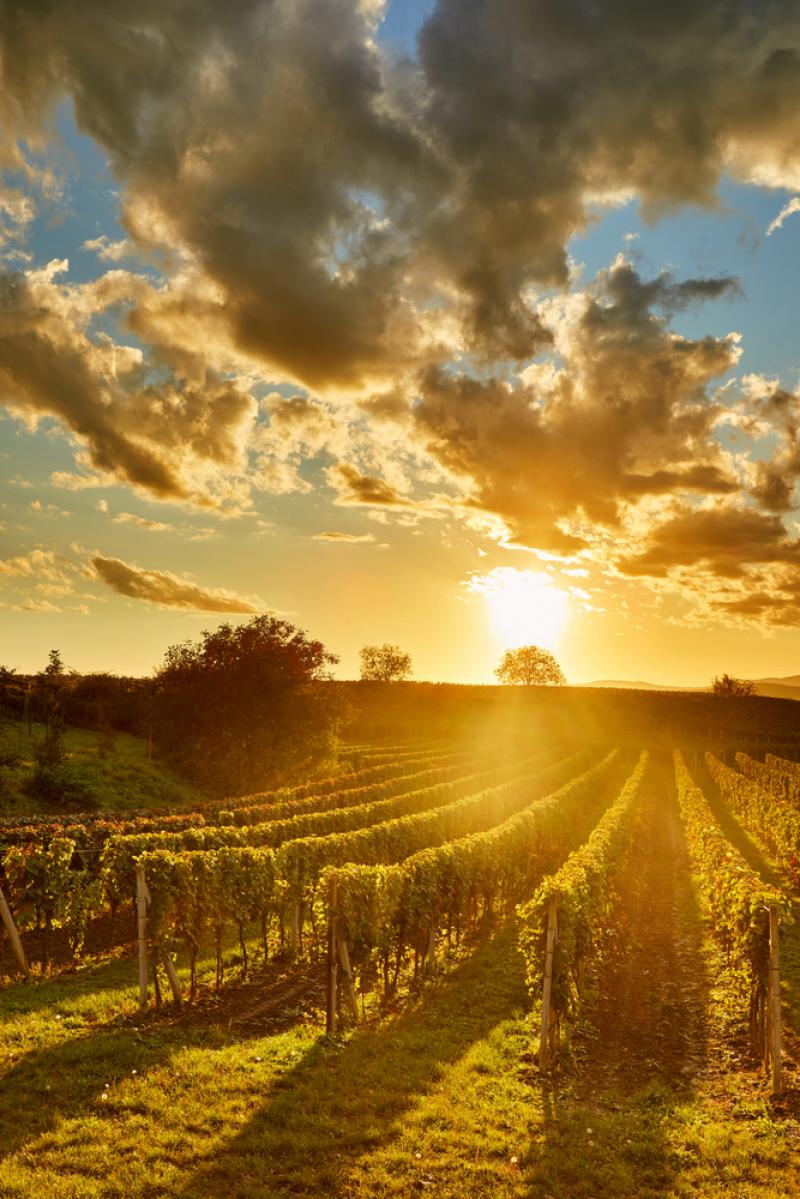
The right climatic conditions do not automatically guarantee a top-quality wine. If the weather gods prove fickle, winegrowers are powerless. This is particularly true of vineyard sites in Germany and Austria.
Further south, mild temperatures ensure that the grapes ripen fully. Differences in quality can also occur within individual regions of a country, or even from one vineyard to the next.
The soil is the vine's foundation
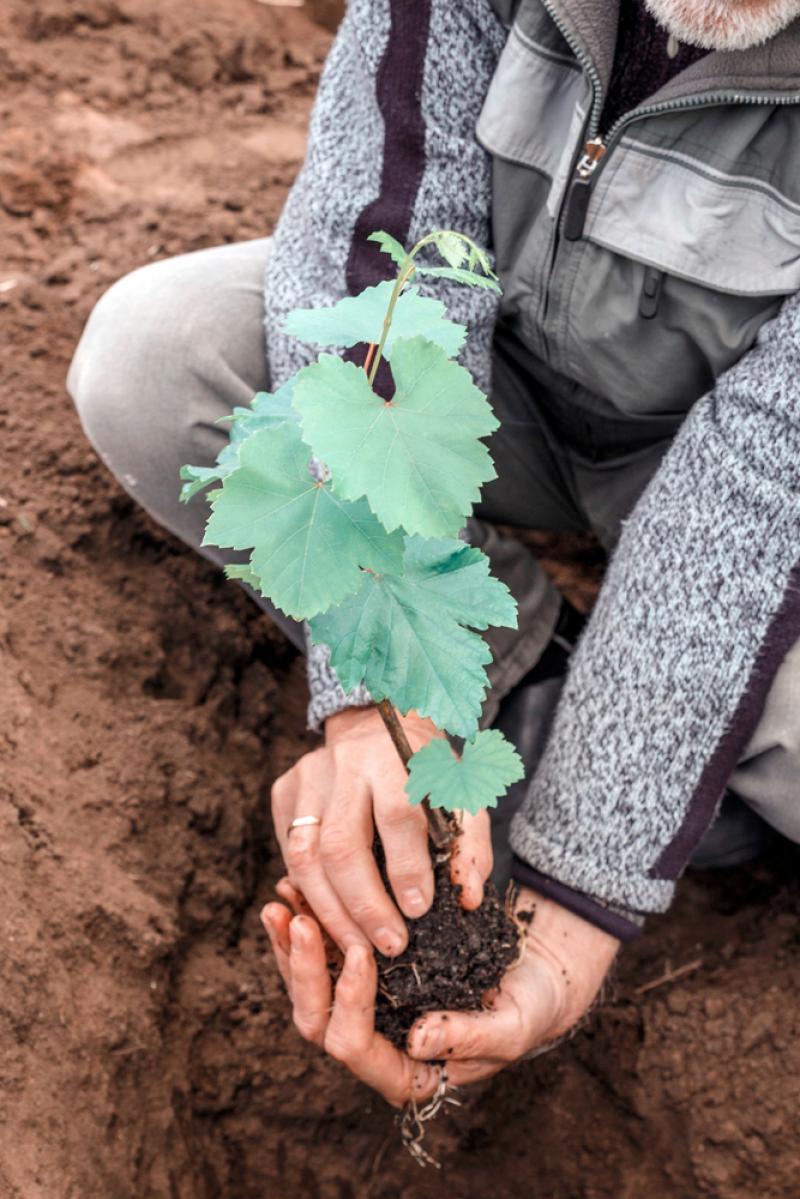
The vine is rooted deep in the earth and draws its nutrients from the soil.
Essentially, vines are undemanding and thrive in almost any soil. Nevertheless, there are considerable differences in quality and flavour that can be traced back to soil composition.
Stony soils act as heat stores. Sandy soil cools down again much more quickly. Winegrowers know their secrets and understand which vines are suited to which soils. Powerful, fruity wines can be made from grapes that ripen on stony soils.
Heavy clay soils provide the ideal conditions for floral wines. The lighter and looser the soils, the livelier and lighter the wines.
German wine lovers can recognise this in the powerful red wines grown on the volcanic rock of the Kaiserstuhl, or in the fruity Mosel wines whose grapes ripen on nutrient-rich slate soils.
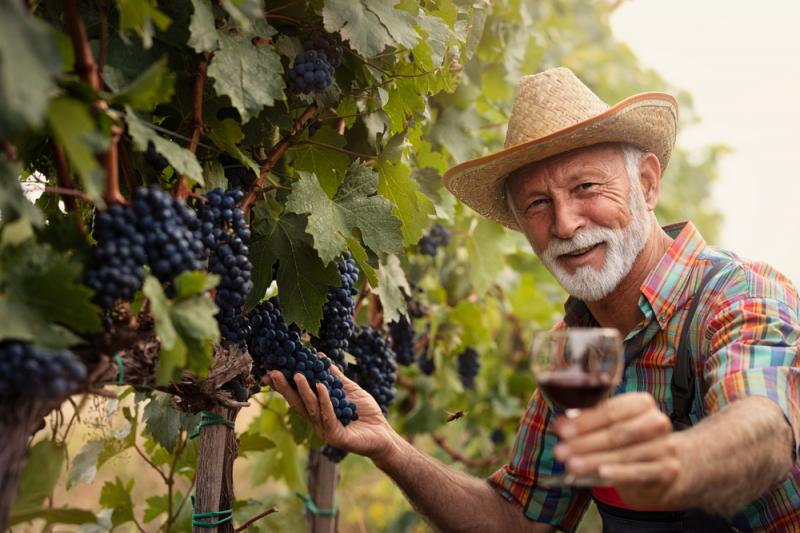
The Man with the Hat - Lukas Krauß
The grapes are the reward for all the work
Whether a light country wine or a full-bodied, top-quality wine ends up in the glass, it all begins with the vine. It has matured under the conditions nature provided. There is a seemingly endless variety of vines.
Around 8,000 varieties are known. Only a small proportion are significant for winegrowing.
The grape variety in question appears on the label. This tells wine lovers whether it is a single-varietal wine, meaning that only one grape variety was used to make it, or a so-called blend. Blended wines are made from different grape varieties.
Most German quality wines are single-varietal. Ultimately, however, whether a wine is single-varietal or blended has no bearing on its quality, only on its flavour.
Die Weinpost