Wine Travel · October 2026
Lieselehof in Kaltern: A Vineyard That Tastes of Strawberries, and a Sparkling Wine That Blows Us Away
Hundreds of grape varieties from all over the world, grapes with a strawberry flavor, and an exceptional sparkling wine: Our visit to Lieselehof in South Tyrol.
3 min read
By Stefan Tappert · traveling in October 2026
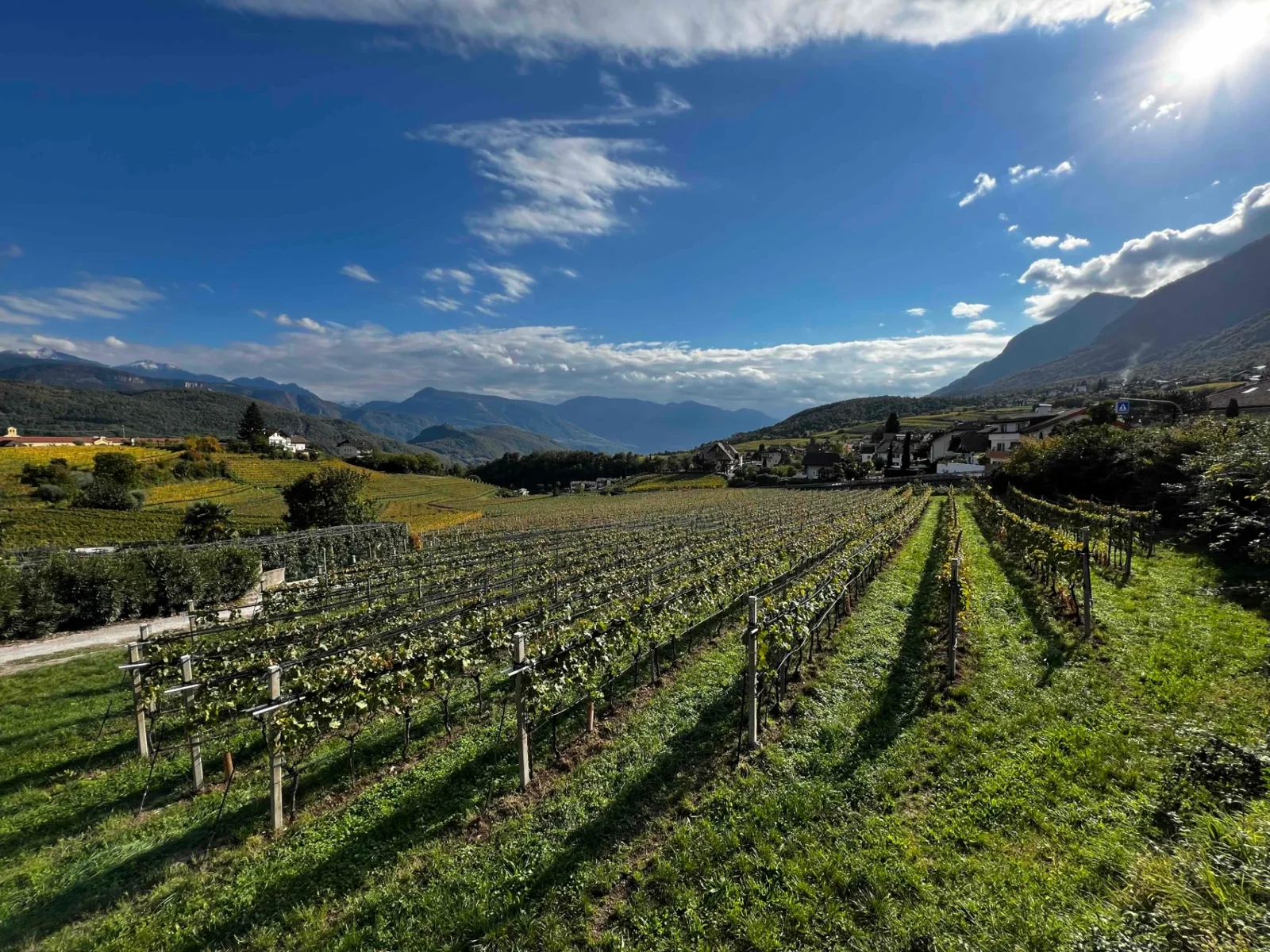
Above Lake Kaltern lies Lieselehof with a breathtaking view into the valley. We are parked with our camper near the vineyard. According to on-site information, this pitch also serves as a helicopter landing pad. That is information from our visit, not an aviation-law detail verified by us—and certainly not a current pitch booking.
Right from the very first steps, we notice: It's not just bottles waiting for us here. Here lies a vineyard full of questions.
An Open-Air Vine Library
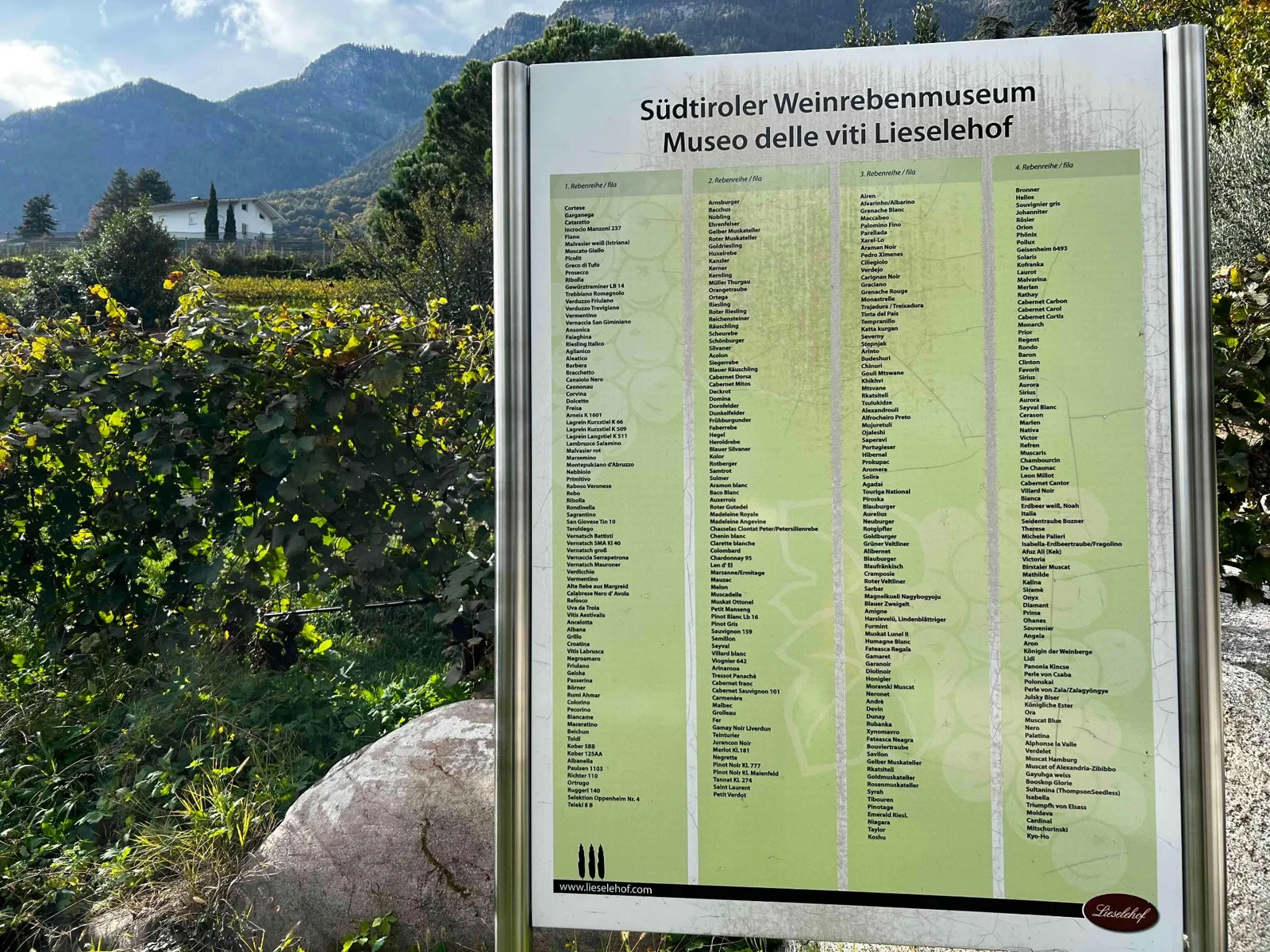
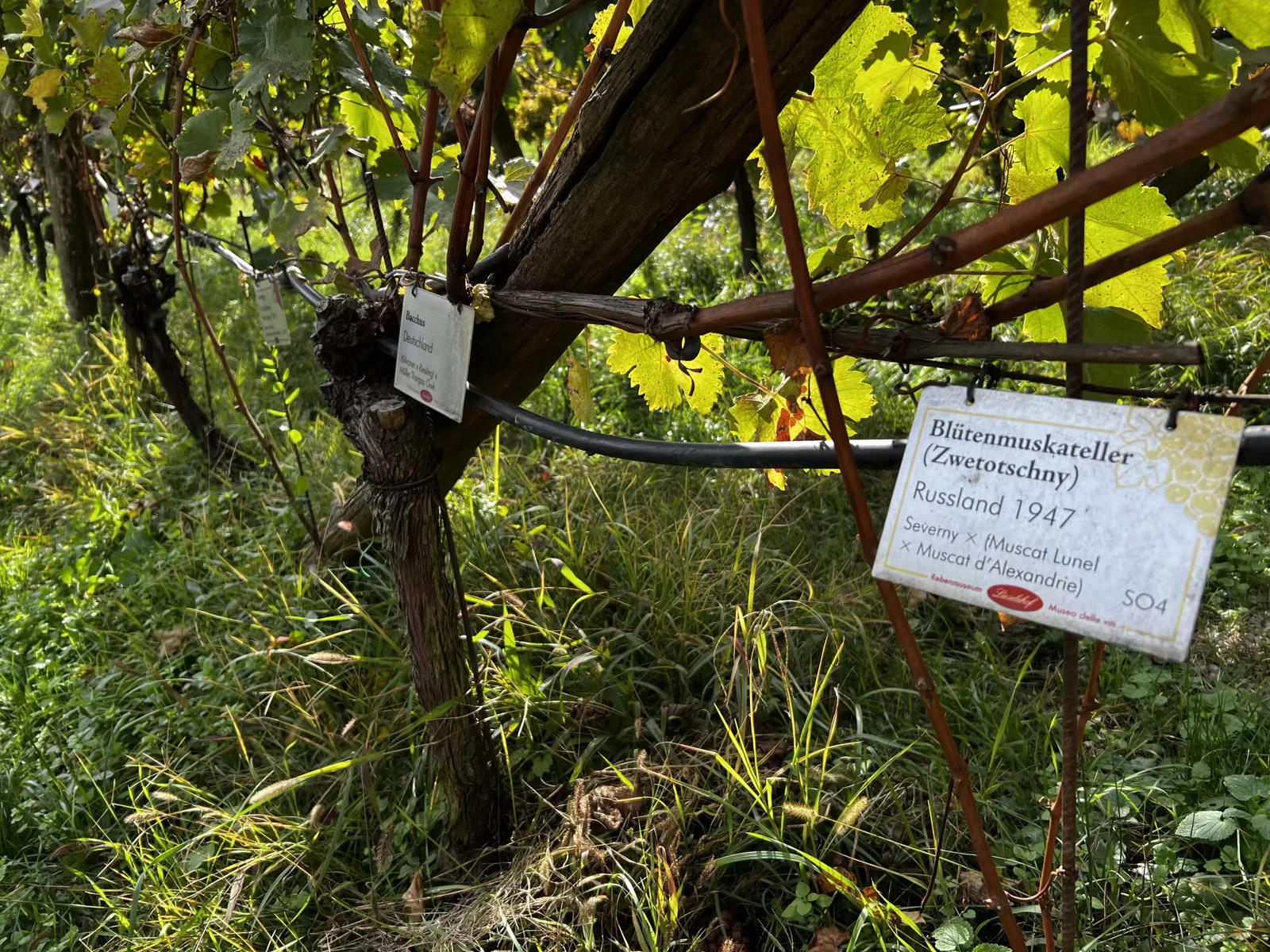
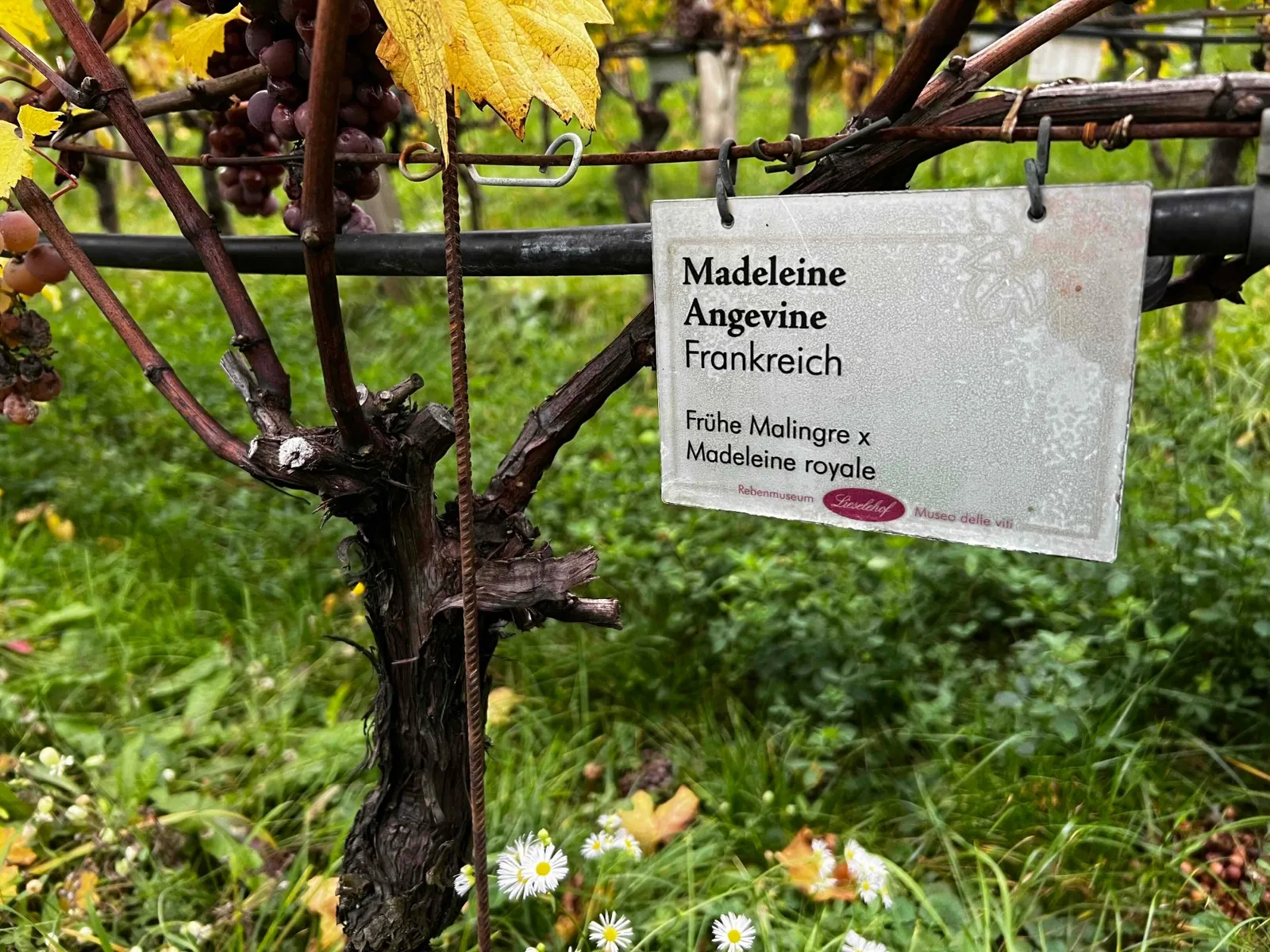
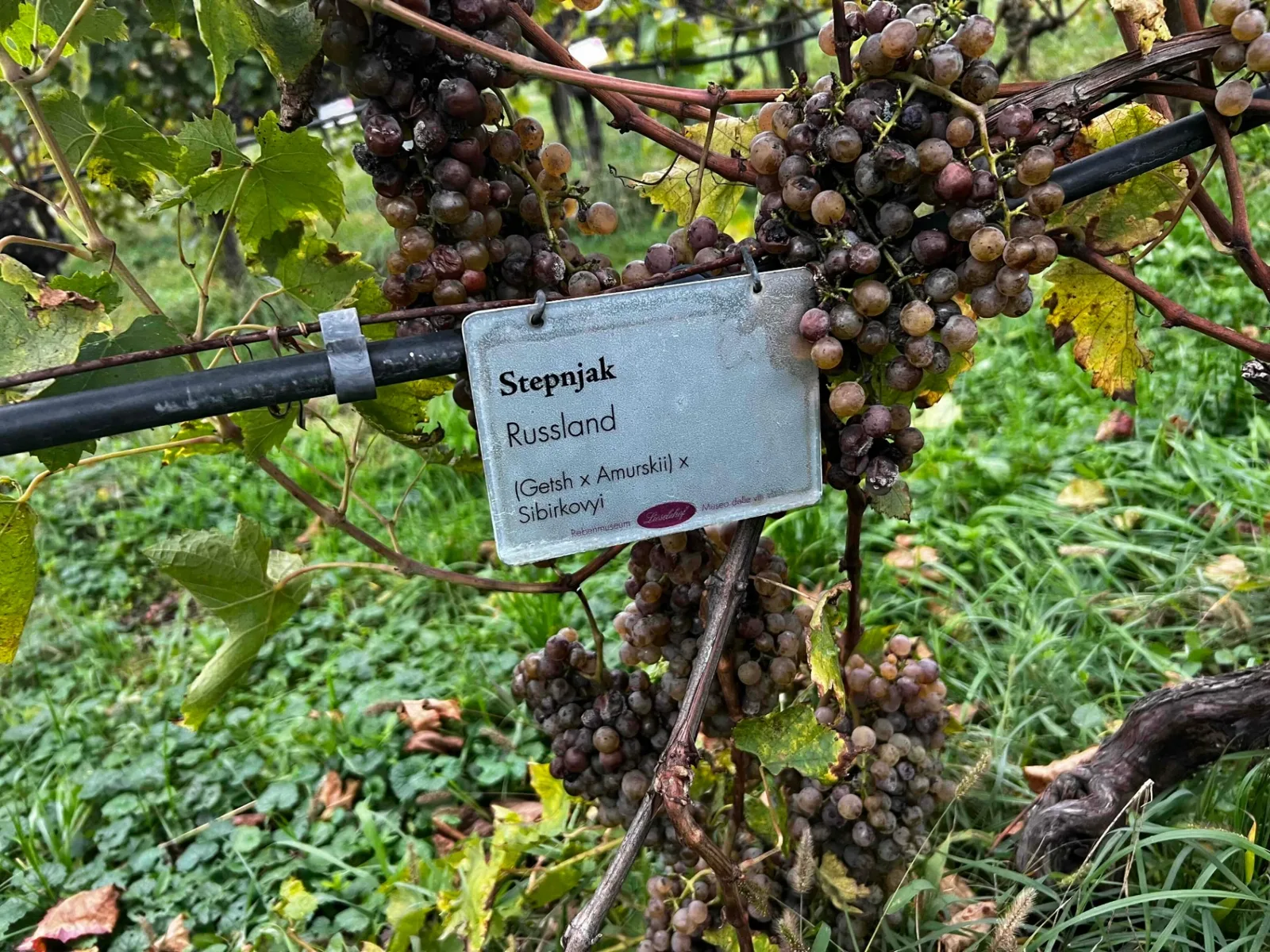
Werner Morandell has built a living vine library here, the South Tyrolean Vine Museum (Südtiroler Weinrebenmuseum). His wife is named Claire. Hundreds of grape varieties from all over the world stand side by side, documented on small signs. Stepnjak, Madeleine Angevine, Manzoni crosses, and Blütenmuskateller appear in our notes. Our own follow-up photos confirm the spellings Stepnjak, Madeleine Angevine, and Blütenmuskateller.
A tourist description cites 350 grape varieties; our travel notes say more than 360. Because we lack an up-to-date inventory list, we stick with "hundreds" rather than committing to a supposedly exact figure. In any case, the impression needs no record-breaking numbers: You walk through a vineyard and travel the world at the same time.
A Grape with a Strawberry Surprise
At one grape, we stop in amazement. To us, it tastes so distinctly of strawberry that with eyes closed, one can hardly believe one is eating a wine grape. A small moment that lingers. Which variety name corresponds to this taste memory is not definitively documented, even with the photos of the signs provided later. We therefore do not guess.
Werner passionately explains organic farming, PIWI varieties, and the changing face of viticulture. PIWI stands for fungus-resistant grape varieties (pilzwiderstandsfähige Rebsorten). Resistance here does not automatically mean that no plant protection whatsoever is required in every situation. What interests us most about this conversation is the openness to alternative paths.
Extra Brut 75: The Number Has a Meaning
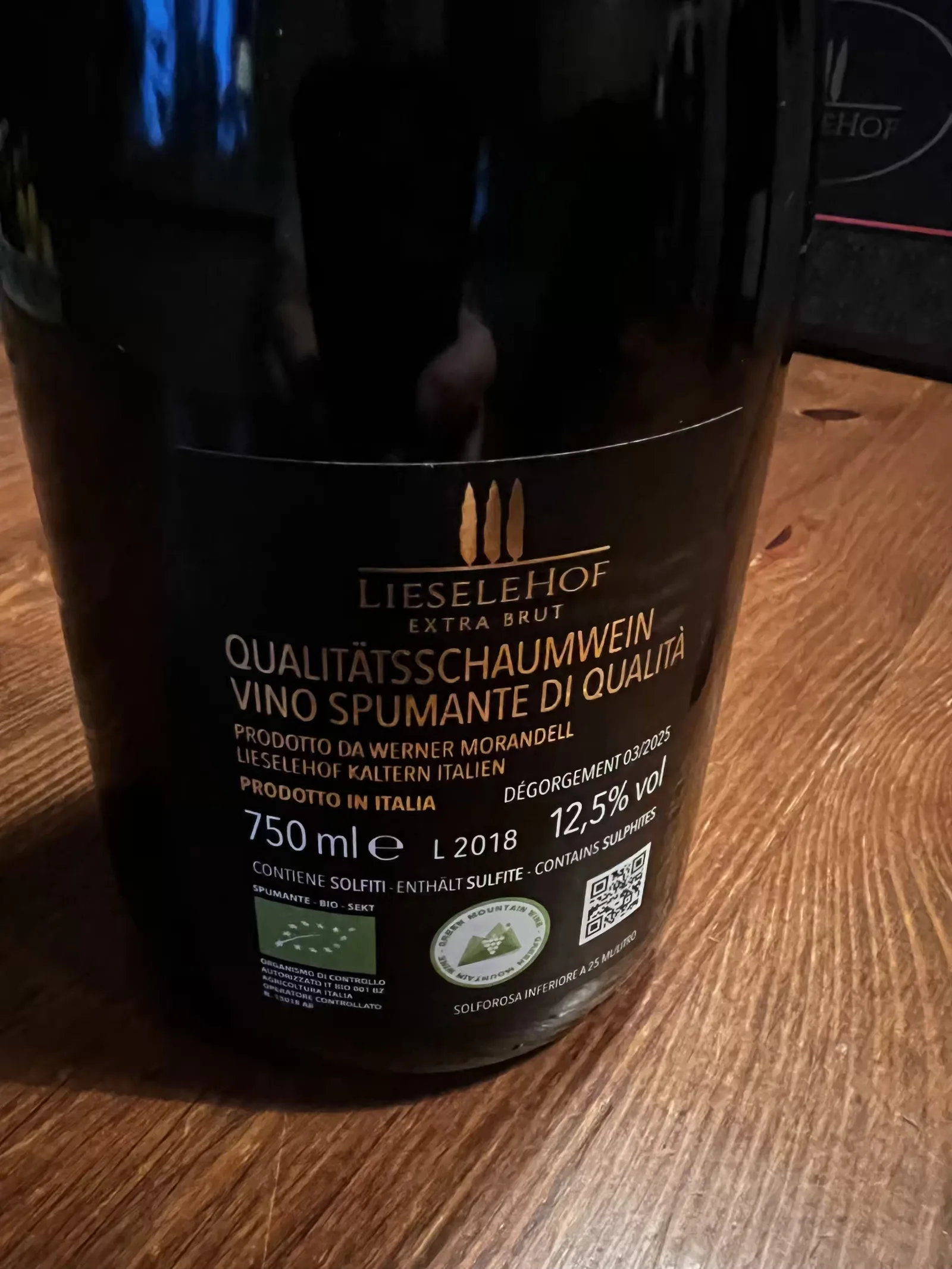
Then the tasting: white, red, and finally Extra Brut 75 from Lieselehof. Our notes say 2018. The back label now at hand shows "L 2018", 12.5% vol., and Dégorgement 03/2025. Because "L" is a lot code, we do not turn it into a confirmed vintage without additional verification. Wonderfully fresh, complex, with a fine perlage—for us, one of the highlights of this trip.
The official 2025 product information for Extra Brut 75 lists the grape variety Souvignier Gris and 75 months on the lees in the bottle. "75" thus designates the duration of aging on the lees, not the vintage. We do not unreservedly transfer the technical details of a current product description to all the specifics of our bottle with lot code L 2018.
Curiosity Instead of Simple Solutions
For us, this estate is more than a winery: Here, things are tried out, explained, and shared with enthusiasm. Higher elevations and robust grape varieties can be potential adaptation strategies in viticulture. Whether they fit depends on the site and many other conditions.
At Lieselehof, distinct impressions remain with us: small grape variety signs, a surprising grape, and a sparkling wine that makes us look a little closer.
Sources and Context
Personal travel memory by Stefan Tappert, supplemented by the sources cited below. Conversations, taste impressions, and past availability do not represent current offers.
https://www.suedtirolerland.it/en/highlights/museums-and-exhibitions/caldaro-vine-museum/
https://lieselehof.com/wp-content/uploads/2025/04/Lieselehof_weinbriefe_2025_DE_extra-brut-75.pdf
Wine Tour Through France and Italy
Von Barbaresco nach Bardolino: Ein halber Liter Hauswein, eine Pizza und die Flucht vor dem Gardasee
Revena Farm: Ein roter Traktor, ein Rosato und ganz viel italienische Gastfreundschaft
Enantio: Dieser Rotwein sagt nicht „Hallo“, der stellt sich vor!
Lieselehof in Kaltern: Ein Weinberg, der nach Erdbeeren schmeckt, und ein Sekt, der uns umhaut
15,5 Prozent und schon im September gelesen: Was passiert mit dem Barolo?
Die Weinpost