True or Nonsense?
Is Spätlese Always Medium-Sweet?
What the German Prädikat designation Spätlese tells you about the grapes, and how to recognise a dry Spätlese.
1 min read
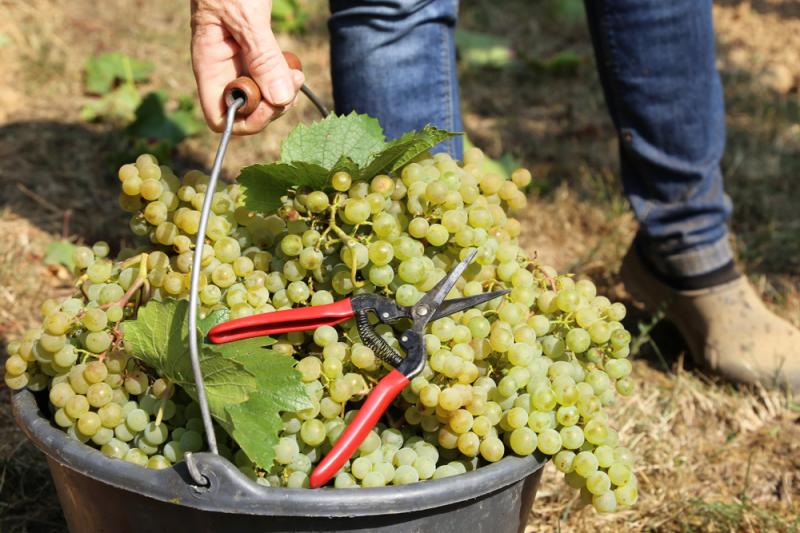
The myth “Spätlese always means medium-sweet”
Spätlese—literally “late harvest”—conjures up a late evening, a golden hue and a wine settling comfortably beside dessert. It's a lovely image. As a reliable description of taste, it doesn't hold up.
In Germany, this Prädikat designation refers to requirements for the harvested grapes, particularly their must weight, a measure of sugar concentration. It does not specify how much sugar remains after fermentation. That is why dry Spätlese wines exist too. To find out how much sweetness to expect, look for an additional taste designation such as “trocken” (dry), or ask the winery. It saves disappointment and avoids lengthy debates over a single word.
True or Nonsense?
Nonsense. Spätlese doesn't automatically promise a sweet end to the day. The grapes behind a dry glass can have been harvested late too.
Further Reading
- Does Dry Wine Contain Residual Sugar?
- Can Eiswein Be Made in a Freezer?
- Riesling: A Grape Profile
- Explore All Wine Myths
Sources
Die Weinpost