Wine encyclopedia
Barbera, the Northern Italian Red Wine
Not to be confused with the first name, Barbera is another typical northern Italian. Fruity and full of berries, and when pepper and sage shine through, that Italian fire really gets going. It likes playing alongside Nebbiolo best, happily blending into Langhe Rosso.
4 min read
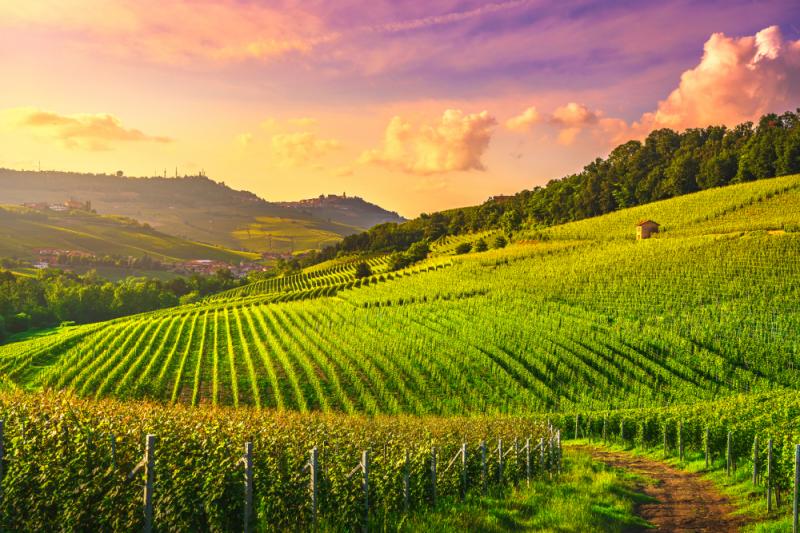
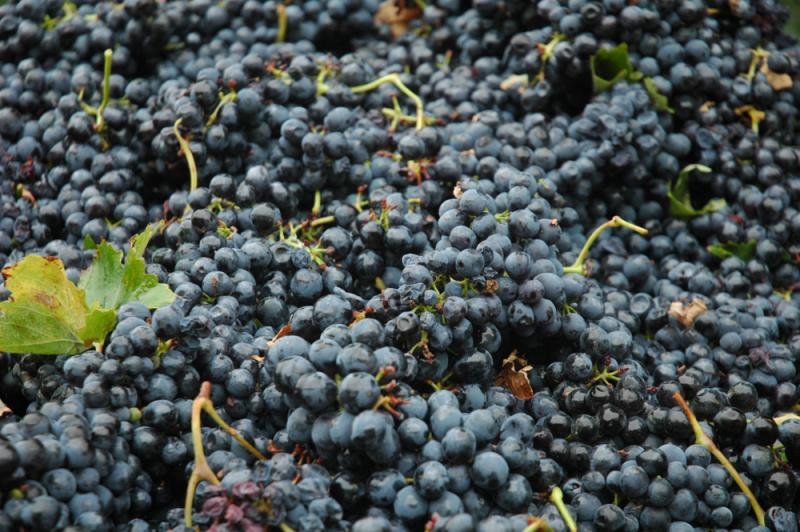
Barbera – the Grape Variety from Piedmont
Barbera is a very high-quality grape variety that was cultivated in Piedmont as early as the 13th century. The grape has long since spread beyond Piedmont and is now found throughout Italy. This high-yielding, adaptable variety even ranks third among Italy's most widespread grape varieties, after Montepulciano and Sangiovese. Outside Italy, the variety is now also grown in Argentina, Mexico, Australia, California, Brazil, South Africa, Uruguay, Israel and Romania.
Decline and Revival
This noble vine fell somewhat into disrepute in the 1980s, as large surpluses led to declining quality and low prices.
Today, however, production volumes have been brought back to a reasonable level, and considerable attention is once again being paid to the necessary care. These factors mean that Barbera is once again regarded as a noble grape that produces excellent wines.
Barbera – Robust and High-Yielding
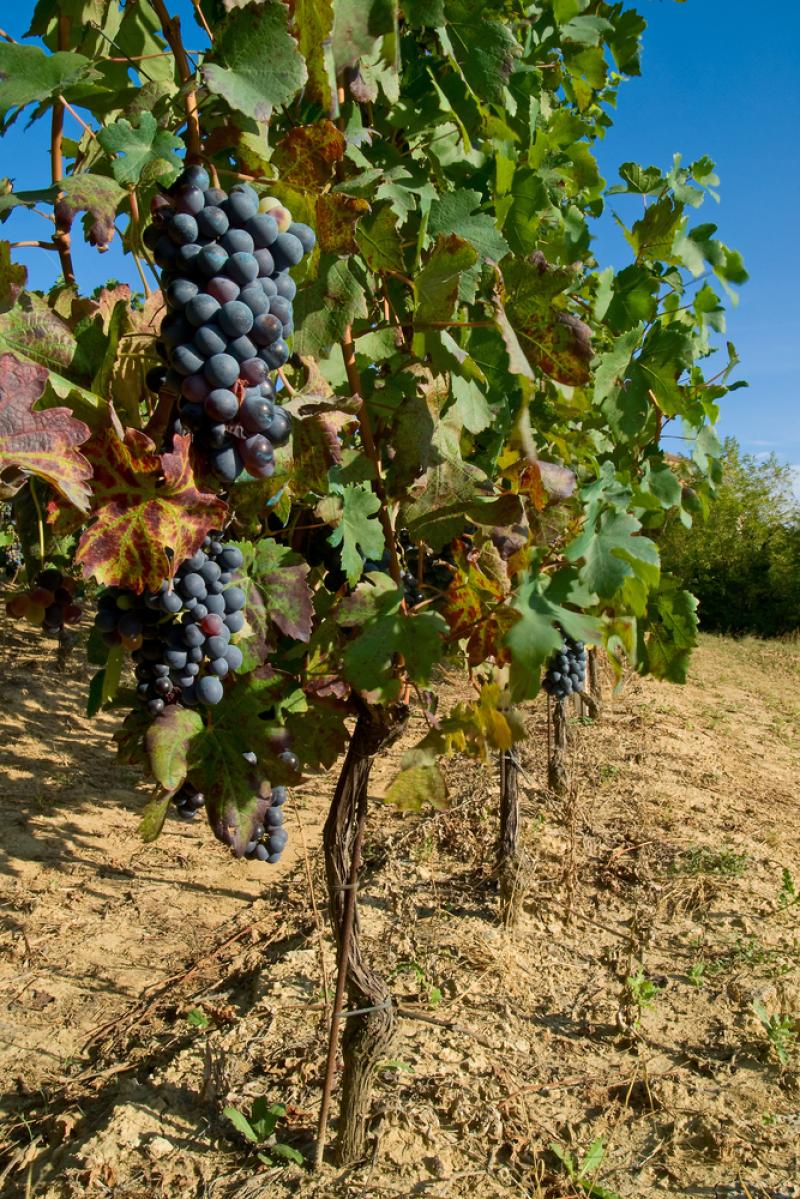
Compared with other grape varieties, it requires relatively little care and is not particularly sensitive to climatic conditions either. Although it loves Piedmont's temperatures, with hot days and cool nights, it is nevertheless resistant to spring frost. As the vine has special hairs on the undersides of its leaves, it can retain water well, so even prolonged dry spells do not trouble it too much.
Barbera is harvested between late September and mid-October, and even in a difficult year, the grape delivers reliable yields that are economically viable for growers. The vine really does need pruning. Neglect this aspect of vine training and yields can easily reach 150 hectolitres per hectare. In principle, that would delight any grower, but not in this case. With such excessive growth, the flowers produce only small berries that have received far too little water, and suddenly, instead of a quality wine, you have an acid bomb
The Characteristics of the Wine
The plant's shoot tip is open and densely covered in woolly hairs. A slightly reddish tinge can be seen at the tips. The young leaves seem to need a thick woollen coat too, and have patches that shimmer bronze. The stalk is lyre-shaped, and a typical leaf has five lobes with broad teeth. This Italian variety produces truly large bunches, shimmering blue-black and cylindrical or conical in shape. No particular berry aroma can be identified or tasted at first glance.
The Many Names of Barbera
Because this grape variety also has a centuries-long history, countless growers in Italy and around the world have given it a name of their own. Here is a whole mountain of other names for one and the same wine. Have fun learning them by heart.
Barbera is also known as:
Barber a Raspo Rosso, Barbera, Barbera a Peduncolo Rosso, Barbera a Peduncolo Verde, Barbera a Raspo Verde, Barbera Amaro, Barbera Black, Barbera Blaue, Barbera Crna, Barbera d’Asti, Barbera di Piamonte, Barbera Dolce, Barbera Fina, Barbera Fine, Barbera Forte, Barbera Grossa, Barbera Mercantile, Barbera Nera a Caule Rosso, Barbera Nera a Caule Verde, Barbera Noir, Barbera Noire, Barbera Nostrana, Barbera Riccia, Barbera Rossa, Barbera Rosta, Barbera Vera, Barberone, Besgano, Cosses Barbusen, Gaietto, Lombardesca, Nigruz, Olivella, Sciaa, Uva Nera Antica di Viggiano
Intense Acidity and Little Tannin
The grape variety is sometimes used in blends, but particularly in Piedmont it is made into single-varietal wines. The finished wine is then deep ruby red, with a palate full of different flavours such as wild cherries, vanilla or violets. If the grapes are harvested only when very ripe, notes of damson and the famous Piedmont cherry can also develop. The wines have a low tannin content and are very powerful. They are underpinned by pronounced acidity and never seem thin or dull.
Everyday Wine or an Affordable Connoisseur's Bargain
Barbera wines can be enjoyed young, and their elegant cherry aromas make them ideal companions for many meat or game dishes. The obligatory pizza or pasta also finds a delicious partner in Barbera wines. But Barbera wines are not only enjoyed young; they can also easily be cellared for several years. Ageing the wines in fine barriques brings a further noticeable improvement in quality.
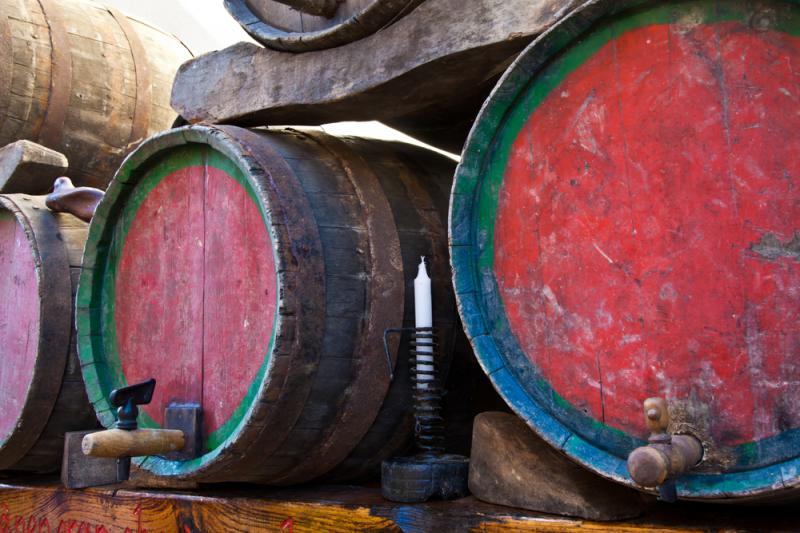
The tannin from the barrel's wood skilfully balances the wine's acidity, making it noticeably gentler and softer. Happily, even Barbera wines aged for longer and to a higher standard remain affordable, making the slightly finer wines suitable for everyday enjoyment too.
Full Steam Ahead
Piedmont is, of course, no unknown name as a wine region, being the home of famous red wines such as Barbaresco and Barolo. Since its decline in the 1980s, however, Barbera has been making a major comeback. It is now attracting the interest of growers and wine lovers, and the fact that some 20,000 hectares have been devoted to it speaks for itself. There is plenty to look forward to: this grape is sure to produce more than a few truly exquisite wines.
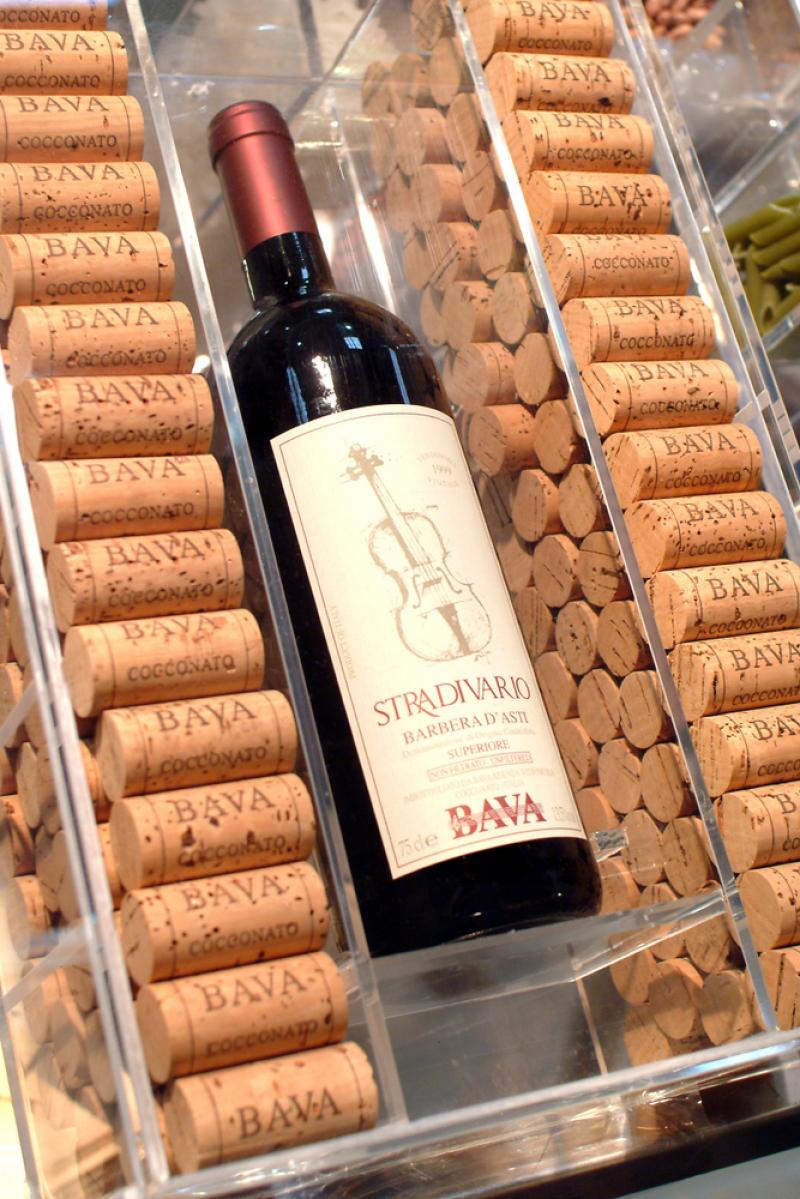
Everything About Barbera Wines
Die Weinpost