Wine encyclopedia
Cabernet Franc, France’s ancestral wine
Cabernet Franc has given its all, but it has never quite caught up with its relative Sauvignon. It provides a solid foundation for classic Bordeaux blends and is often teamed with its relatives and Merlot. But on its own, Cabernet Franc can easily become the discovery of the evening.
4 min read
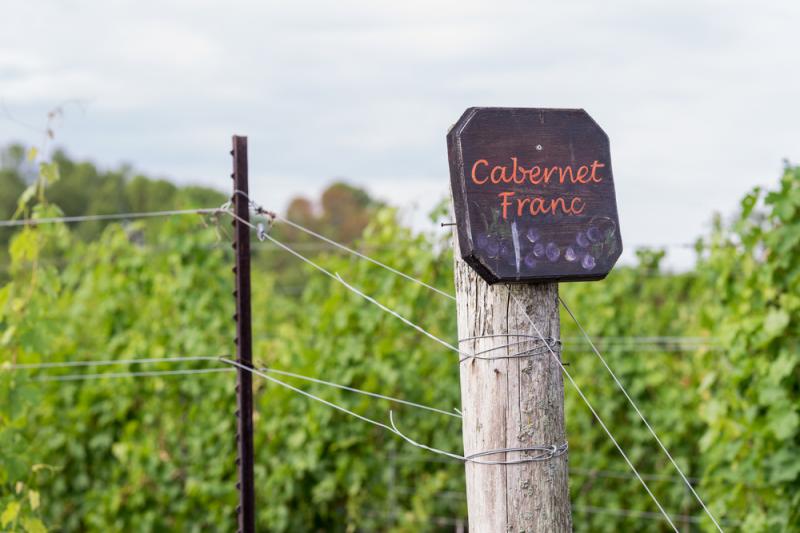
Cabernet Franc is the subtle seducer
Cabernet Franc is, in a sense, Cabernet Sauvignon’s little brother: early-ripening and somewhat lighter in colour. Cabernet Franc is less drawn to the spotlight, yet it knows how to charm with an understated bouquet and an unconventional appeal. It is the perfect symbiotic partner for anything destined for greatness. Without a truly good Cabernet Franc, no Bordeaux would ever achieve the worldwide renown this wine enjoys in France, Italy, the United Kingdom and the rest of the world.
In the Loire Valley since the 17th century
Cabernet Franc was probably originally selected from wild vines and has been cultivated systematically in France since the 17th century, initially mainly in the Loire Valley and later increasingly in Bordeaux. The wine owes its introduction to none other than Cardinal Richelieu, who had it grown at his monastery. Incidentally, this is the same man who fought the Three Musketeers to the bitter end in Alexandre Dumas’s novel. To this day, the red, relatively weather-resistant grape remains one of the select varieties permitted in Bordeaux wines.
The many names of Cabernet Franc
Since this grape variety also has a history stretching back centuries, countless winegrowers in France and around the world have given it a name of their own. Here is a whole mountain of alternative names for one and the same wine. Have fun memorising them.
Cabernet Franc is also known as:
Acheria, Ardounet, Aroia, Arrouya, Auxquels, Baro, Beron, Bidure, Blauer Carmenet, Bordeaux, Bordo, Bordo Magher, Boubet, Bouchet, Bouchet Franc, Bouchet Saint-Emilion, Bouchy, Breton, Burdeas Tinto, Caberne, Cabernet, Cabernet Aunis, Cabernet Bresciano, Cabernet d’Aunis, Cabernet Franc Blauer, Cabernet Franc Crni, Cabernet Franc Nero, Cabernet Franc Noir, Cabernet Francese, Cabernet Franco, Cabernet Frank, Cabernet Gris, Cabonet, Cabrunet, Capbreton, Capbreton Rouge, Carbani, Carbenet, Carbonet, Carbouet, Carmene, Carmenet, Carmenet Blanc, Carmenet Grand, Carne Fran, Couahort, Crouchen Negre, Crouchen Noir, Fer Servadou, Fer Servandou, Gamput, Grande Voidure, Gro Kaberne, Gro Vidyur, Gro Vidyuz, Gros Bouchet, Gros Bouschet, Gros Caberne, Gros Cabernet, Gros Vidure, Gros Vidyuz, Grosse Vidure, Hartling, Kaberne, Kaberne Fran, Kaberne Frank, Kabernet, Kabernet Frank Breton, Karbinet, Karmene, Messanges, Messanges Rouge, Morenoa Veron Bouchy, Noir Dur, Petit Fer, Petit Viodure, Petite Vidure, Petite Vigne Dure, Plant Breton, Plant de l’Abbe Breton, Plant des Sables, Qro Kaberne, Qro Vidyuz, Sable Rouge, Trouchet, Trouchet Noir, Tsapournako, Verdejilla Tinto, Veron, Veron Bouchy, Veronais, Vidure, Vuidure
The world’s best single-varietal Cabernet Franc
Expressive aromas in a red wine
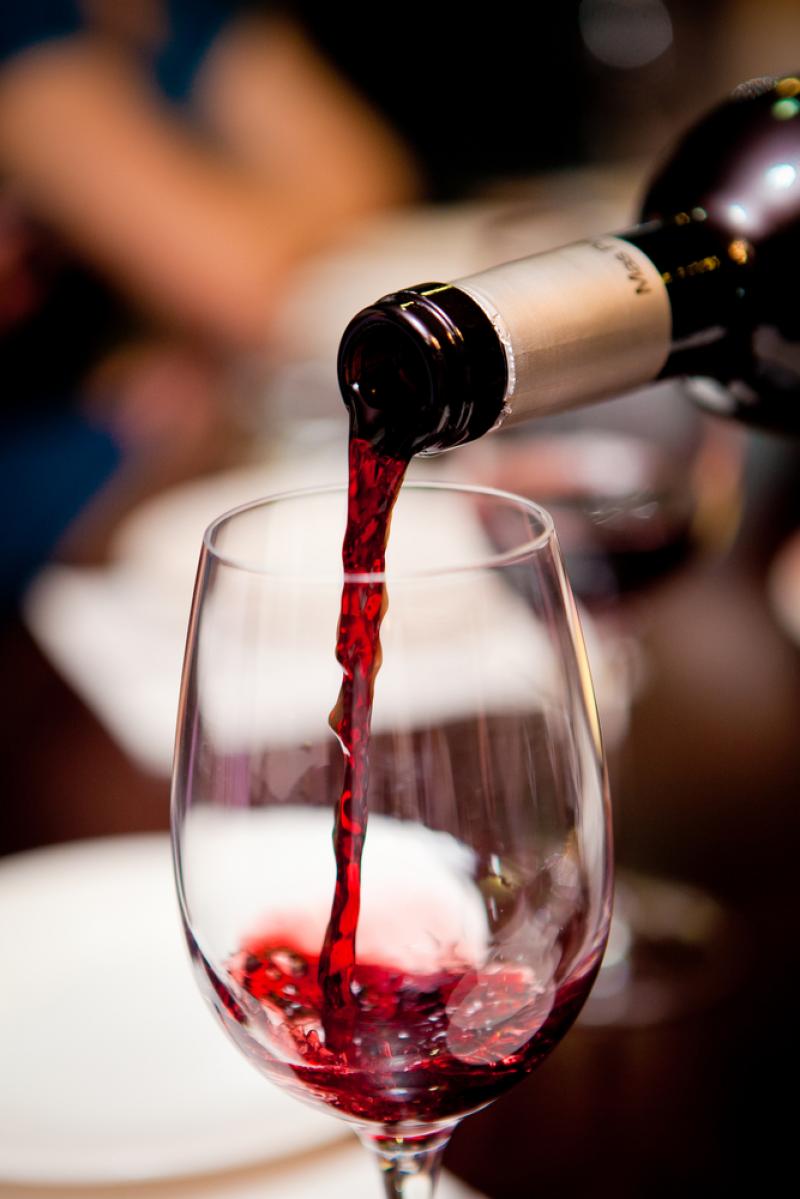
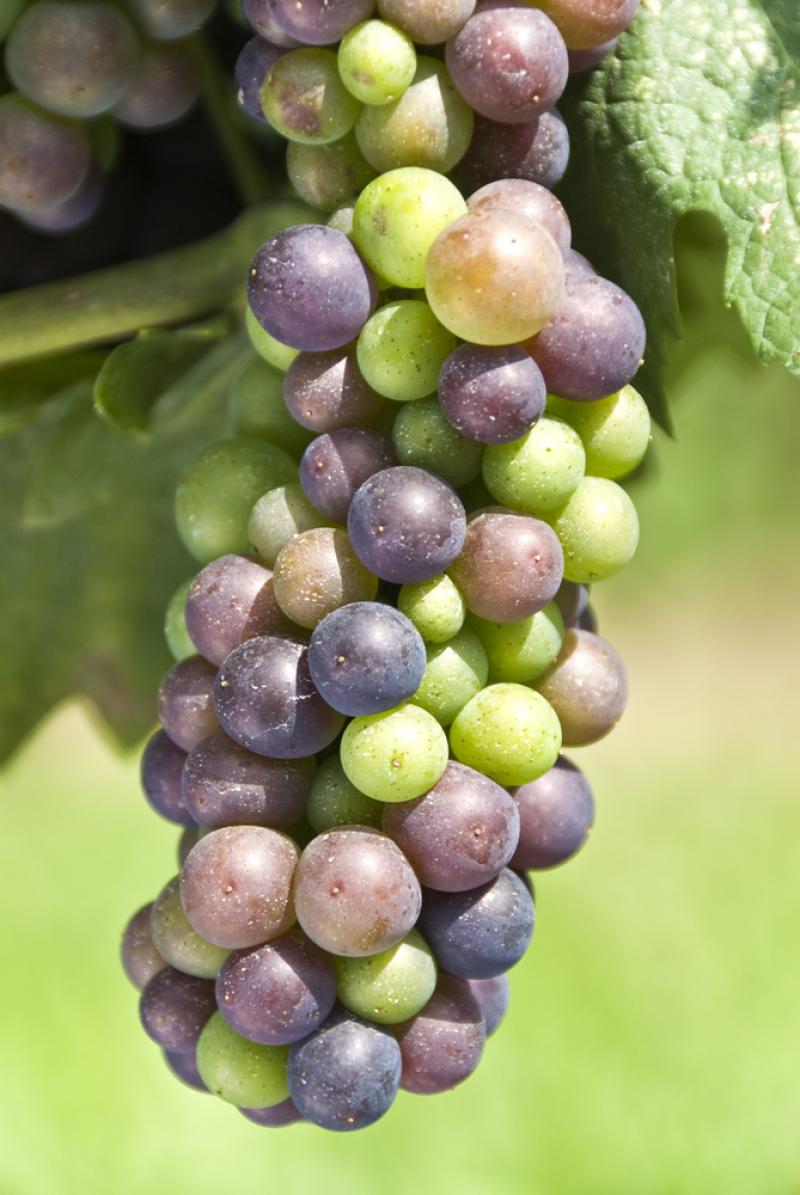
The aroma of low-acid Cabernet Franc is an intriguing, expressive mix. Berries and red fruits, strawberries and raspberries vie for attention. Some wine lovers even detect hints of violets, coffee and fresh foliage in Cabernet Franc. Notes of green pepper and freshly cut grass, on the other hand, indicate unripe grapes picked too early. Its lower tannin content compared with Cabernet Sauvignon makes the wine noticeably softer on the palate. Its demonstrably lower astringency also means the wine can be enjoyed sooner. In colour, Cabernet Franc is usually considerably lighter than its “big brother”, but its intense, multifaceted aromas mean it need not stand in its shadow.
Quick to ripen, with few demands
Cabernet Franc cannot match Cabernet Sauvignon’s prevalence within France. On the other hand, the grape grows and thrives even where the soil no longer meets the requirements of other varieties, temperatures are lower and weather conditions harsher. It also reaches the necessary ripeness around ten days before Cabernet Sauvignon, allowing an earlier harvest before the first heavy autumn rains. Nevertheless, Cabernet Sauvignon is susceptible to all manner of vine diseases, such as downy mildew, powdery mildew and early botrytis. One challenge for winegrowers is the fairly narrow window for harvesting the grapes at their best. The ripe grapes must be picked within just a few days to preserve the fullest, best possible aromatic profile.
Visually distinctive leaves
The vine’s young, reddish-green leaves are particularly distinctive, often displaying bronze patches as well. When fully grown, the leaves have a pentagonal shape and consist of several lobes. The glossy leaf blade has a distinctive sheen reminiscent of hammered metal. The underside of the leaves is sparsely hairy.
Where Cabernet Franc feels at home
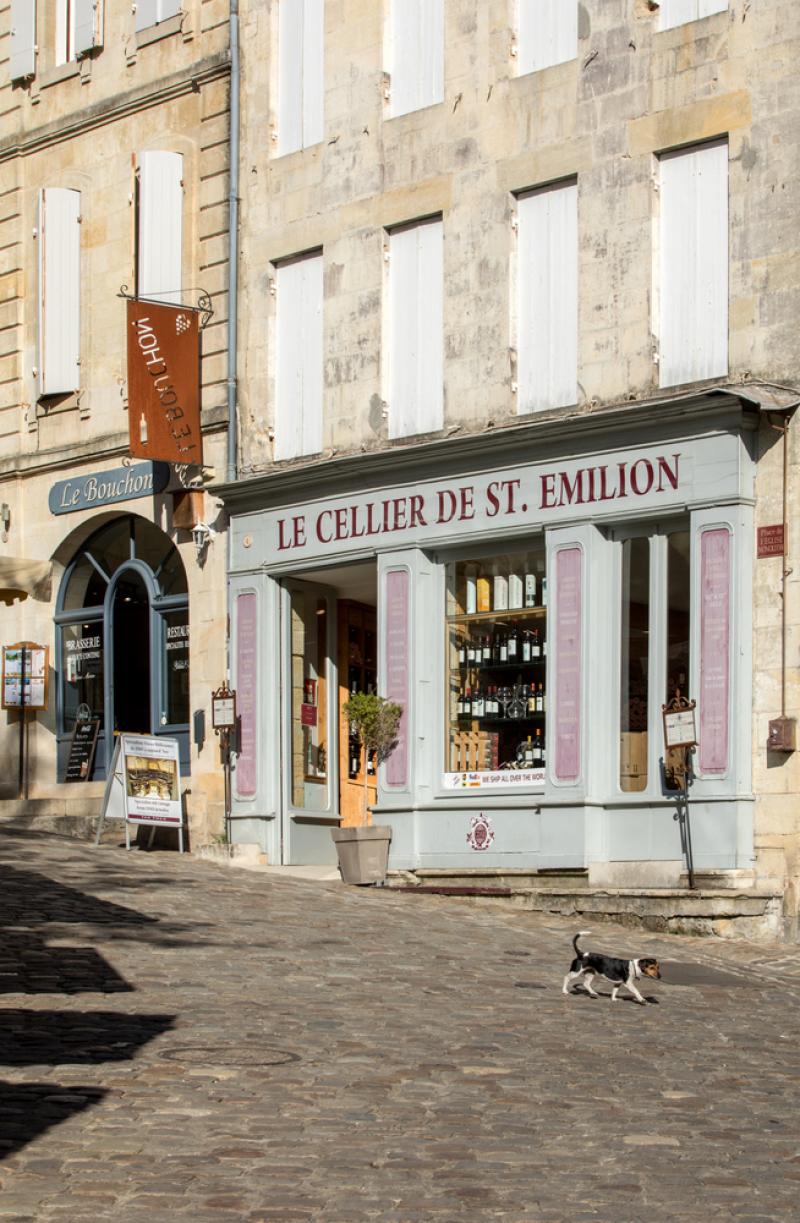
When Cabernet Franc has been harvested at the right moment, it impresses with a spicy bouquet and complex aromas. It cannot stand frost at all. On a Monopoly board, this grape variety would accept only Mayfair as its vineyard. That means somewhere like the right bank of the Loire on the plateau of Saint Émilion, in San Marino or on the Isle de Saint Pierre. Even in Saint Denis, the capital of La Réunion in the Indian Ocean, locally grown Cabernet Franc is praised to the skies. This red French wine arrives at a well-laid table not only in its pure form, but frequently as part of a blend. The grape is, for example, a very welcome partner for Merlot or Cabernet Sauvignon, making a truly top-class Bordeaux possible.
The ideal companion to any meal
Cabernet Franc always makes a fine impression at the table. Whether with a starter or a main course, meat or fish, soup or vegetables. It tastes perfect with dark meat served with distinctive sauces. It is excellent with game, lamb, strongly flavoured poultry and cheese. This red wine needs a dominant central flavour around which it can dance across the palate from north to south. The Cabernet always remains pleasantly restrained, its rather subtle aromas making a discreet contribution to a truly special tasting experience.
Die Weinpost