Wine encyclopedia
Carménère – Chile's Red Wine Pride
France has lost quite a few of its finest grape varieties without their disappearing altogether. Carmenére is one of them. And if you don't look closely, you can easily mistake it for Merlot. Chileans did just that for ages before truly discovering their own treasure.
3 min read
And ever since, there has been no stopping this deep-red wine. It is a fruity temptation spanning cherry and currant, with all sorts of extras such as chocolate, red bell pepper and leather.
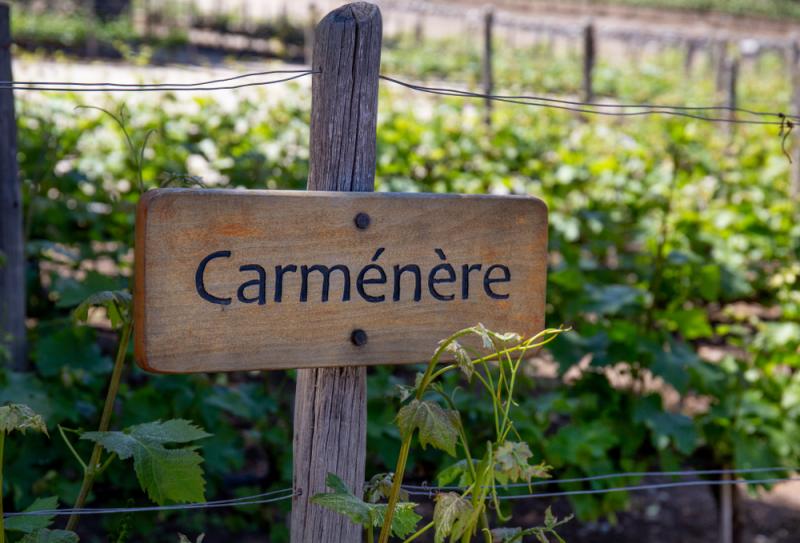
Prized by connoisseurs for its distinctive aromas, the Carménère grape variety actually comes from France, but today it is grown predominantly in Chile, where it is drunk with national pride. Carménère probably owes its name to the deep crimson of its grapes and the reddish undersides of the leaves on young shoots. Or to the winery named Carmen, which produced the first correctly labelled wine from this grape variety in 1996. The dark-red wine impresses with a distinctive berry aroma, which can be interwoven with nuances of dark chocolate and pomegranate.
Carménère originally comes from Bordeaux
Carménère is a cross between the Cabernet Franc and Gros Cabernet grape varieties. Until the mid-19th century, Carménère was grown primarily in Bordeaux, where it is still permitted for the production of cuvées (blends of several grape varieties). The phylloxera disaster led to a dramatic reduction in Carménère plantings and the disappearance of the vine from France.
An ideal winegrowing climate in South America
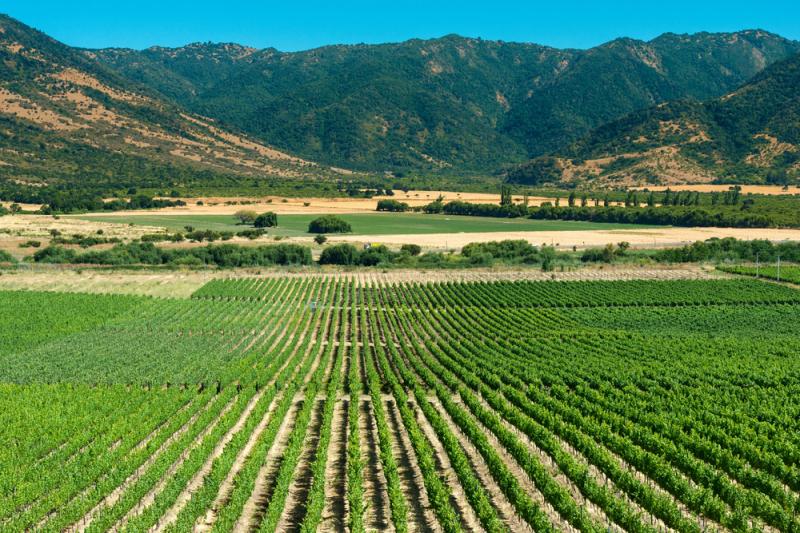
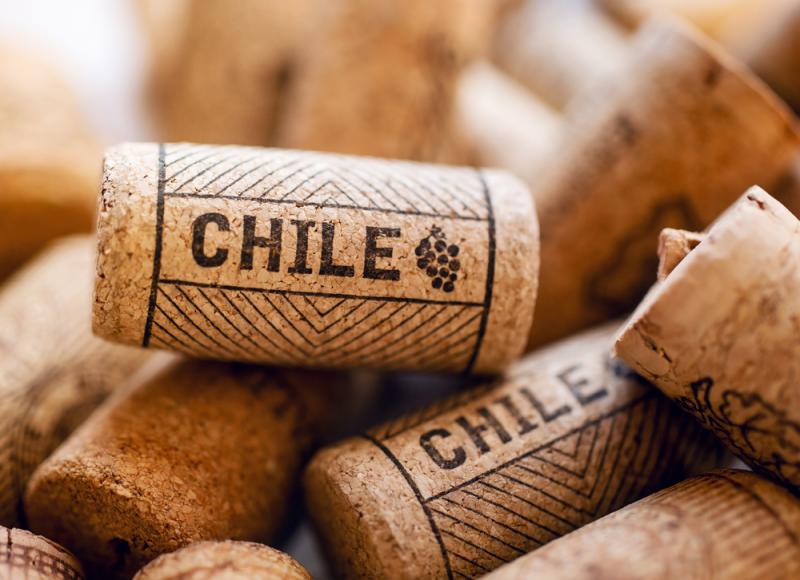
This robust red grape experienced its renaissance from around 1850 in Chile, where neither phylloxera disasters nor sudden drops in temperature need be feared, which explains the high quality of many Chilean wines. Carménère currently thrives on more than 7,000 hectares, particularly in the Central Valley, south of the capital Santiago. Locals also call the vine Grand Vidure, a name rooted in Chilean dialects that means something like “hard wood”. Other growing regions with relatively small areas under vine include France and Italy, as well as the red wines of New Zealand and Australia, and of course Switzerland, to which the grape variety was reimported from Chile.
Relationship with Merlot
Almost until the turn of the millennium, Carménère was considered in many places to be a special example of Merlot because of its resemblance to that variety, a belief disproved only by DNA analysis in 1994. Thus, the first official Chilean Carménère of modern times dates from 1996. Carménère vines are notorious for shedding some of their flowers in cool, damp weather during the spring months. They also need around three weeks longer to ripen than comparable French grape varieties such as Merlot, which can ultimately lead to reduced yields in poor years.
Characteristics of Carménère
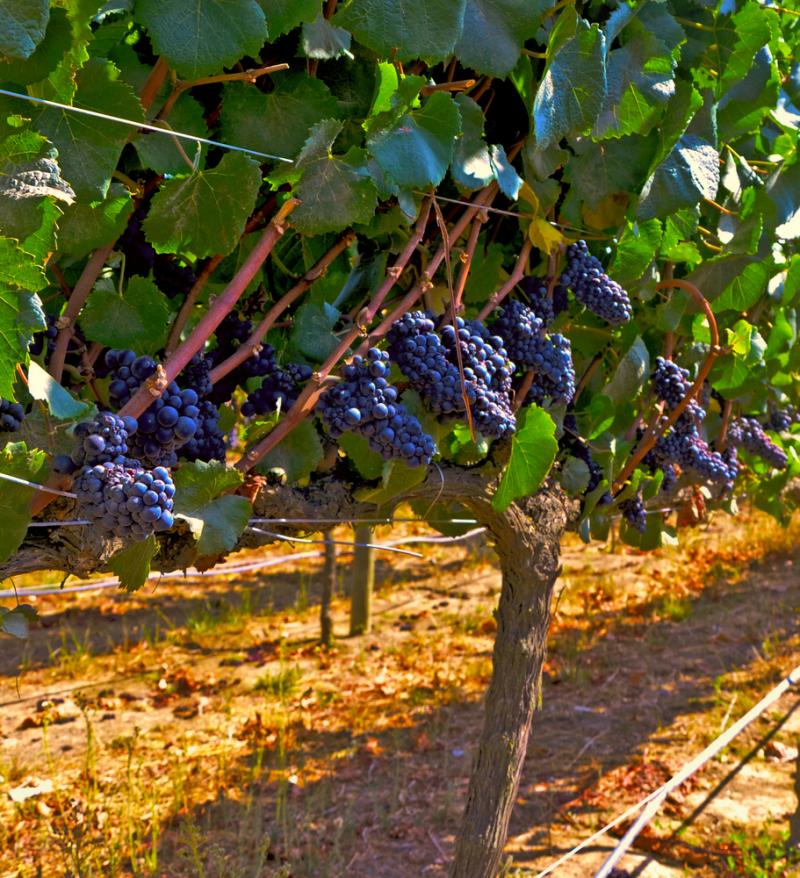
Its shoot tip is open and covered in fairly woolly hairs. It also has pink dots against a white background. The young leaves have a slight bronze tinge and are five-lobed with deep indentations. The stalk is more or less completely closed. In autumn, the leaves take on a beautiful red hue. The plant's grapes are rather round, medium-sized and blue-black. The vine ripens around two weeks after Chasselas and grows vigorously.
The many names of Carménère
Since this grape variety also has a history stretching back centuries, countless winegrowers in Italy and around the world have given it a name of their own. Here is a whole mountain of other names for one and the same wine. Have fun learning them by heart.
Carménère is also known as:
Bordo, Bouton Blanc, Caberne Karmener, Cabernella, Cabernelle, Cabernet, Cabernet Carmenere, Cabernet Cosmo, Cabernet Gernicht, Cabernet Gernischet, Cabernet Gernischt, Cabernet Gerniseht, Cabernet Grande, Cabernet Grosso, Cabernet Italico, Cabernet Shelongzhu, Carbonet, Carbouet, Carmenea, Carmenegre, Carmenelle, Carmeneyre, Francesa Nera, Gran Vidyur, Grand Carmenet, Grande Vidure, Grande Vuidure, Grosse Vidure, Kaberne, Kaberne Karmener, Kabernel, Karmene, Karmensel, Uva Francesca.
A rounded, supple red wine
The wines made from this grape variety in Chile have a rather rounded, supple, if somewhat dark character, with low acidity and a very pleasant berry aroma, which, depending on the winery and vineyard site, can be interwoven with more bitter notes such as dark chocolate and tobacco. In Chile, Carménère is primarily made as a single-varietal wine. Ageing in French oak barrels produces some very interesting, complex wines in South America that are experiencing a modest renaissance throughout Europe.
An easy-drinking companion to poultry and pasta
Carménère wines are rich in tannins and prized by connoisseurs for being very easy to drink. The colour of Chile's national pride is a very dark, intense red. The grapes of the Carménère variety develop their full ripeness and quality only in consistently warm regions, and they do not hold back on tannins. Carménère, also known in Chile as Grande Vidure, is the ideal companion to poultry dishes of all kinds, as well as pasta bakes, pasta specialities, dark meat and mature cheese.

Die Weinpost