Wine encyclopedia
Cava: The New Sparkling High-Flyer
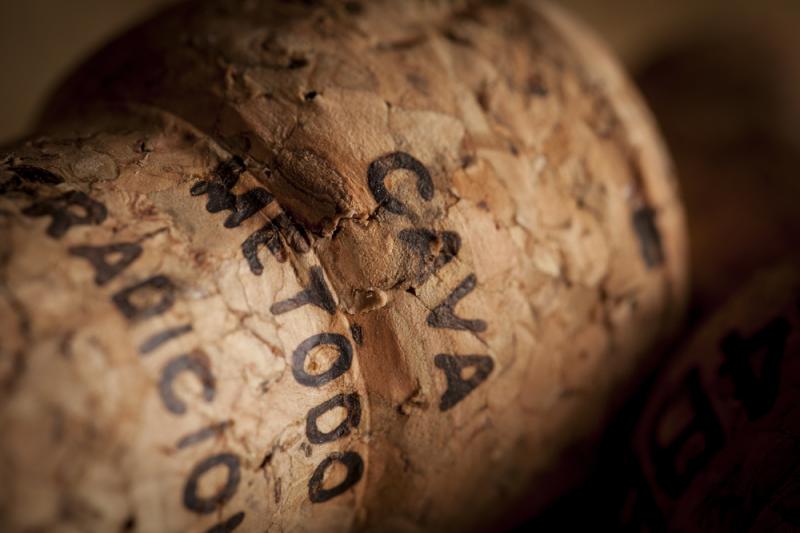
Cava is a Spanish sparkling wine that originated in the region of Catalonia. The history of Cava dates back to the late 1800s, when Spanish winemakers began to emulate the Champagne style.
1 min read
- Early beginnings: The first attempts to make a Champagne-style sparkling wine began in the 1870s. Winemakers in Catalonia experimented with different grape varieties and methods, to produce a sparkling wine similar to Champagne.
- Establishment of the Cava industry: The first winery dedicated to producing Cava was founded in the late 19th century. Winemakers used locally available grape varieties, particularly Macabeo, Xarel-lo and Parellada, to create their own unique style of sparkling wine.
- Growing popularity: As Cava became increasingly popular in Spain and around the world, sparkling wine production became ever more important to the Catalan economy. Wineries and winemakers invested in better technology and equipment to increase their production capacity and improve the quality of their wines.
- Recognition as a distinct wine region: In 1970, the region of Catalonia was recognised as a distinct wine region for Cava production, and over the years Cava received numerous awards and accolades for its high quality.
- Today: Today, Cava is a widely known and appreciated drink sold in many countries around the world. There is a wide range of styles and flavours, from dry to sweet Cavas, and it is a popular drink for special occasions as well as for everyday enjoyment.
Although Cava was only recognised as a distinct wine region a few decades ago, it has quickly become an important part of the wine world and has earned a firm place in the hearts of wine lovers.
#pagebreak##pagebreak#
Die Weinpost