Wine encyclopedia
Chenin Blanc as an Ancient White Grape Variety
In the world of white wine, Chenin Blanc is an ancient grape variety that has been cultivated since the ninth century. The grape, which comes from France, including Coteaux du Layon, is one of the noble varieties and is also known as Pineau de la Loire or Pineau d’Anjou, although its age has earned it many other names.
3 min read
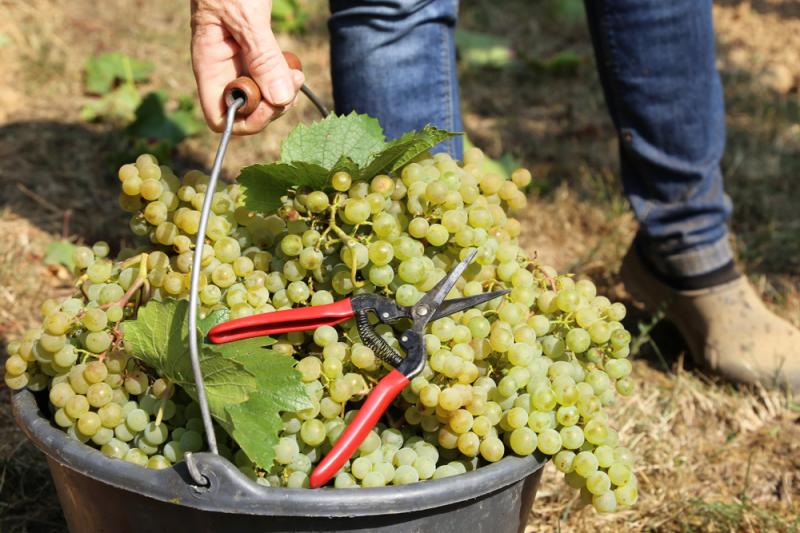
In South Africa, where it is the most common white grape variety, it is also known as Steen, and here it is also used as a base wine for spirits. Jan van Riebeeck planted the first vines here as early as 1655 to establish a winemaking tradition at the other end of the world as well. Modern genetic studies now suggest that Chenin Blanc is a cross between Sauvignon Blanc and Red Traminer.
A High-Yielding Delight for Wine Lovers
The variety is very productive, and when yields are restricted, it can produce wines of the highest quality. In Germany in particular, however, this knowledge does not seem to have fully caught on, as Chenin Blanc wines are not exactly bestsellers here. The rest of the world certainly appreciates this noble grape, though, and the Loire, where the grape originated and where much of it is still grown today, exports around 90% of its total production.
Flexible and Versatile
The grape has very high acidity, which is why it is also used to make sparkling wines. But Chenin Blanc can do sweet as well. Since it is highly susceptible to noble rot, it is also often made into botrytised sweet white wines.
Even without being made into wine, the sweet grape is a delight, which is why it is also sold as a table grape in many regions. Almost no other grape variety is as versatile as Chenin Blanc, which is why wine connoisseurs also call it the chameleon of grape varieties. In still and sparkling wines, whether dry, off-dry or sweet, this noble grape always displays an elegant, lively character. Nuances of green apple, white blossom, quince and pear also give the wine a fruity, fresh note.
The wines usually have a mineral undertone, and when the grapes are made into botrytised sweet wines, delicate notes of marzipan, cane sugar and peaches may join the mix. The alcohol content is generally between 12 and 13.5% ABV. The wines are golden yellow in colour, sometimes with greenish highlights. They are often matured in stainless-steel tanks, and their pronounced acidity allows them to age for a long time. Wines made with residual sweetness or in an off-dry style have even greater ageing potential, although dry versions can also be aged in barriques for at least a year. If the grapes are not made into single-varietal wines, Chardonnay and Pinot Grigio, for example, are suitable blending partners that complement Chenin Blanc beautifully. In New Zealand, incidentally, Müller Thurgau was grown as a blending partner for Chenin Blanc in dry, off-dry and medium-sweet versions. Sweet wine is no exception here either, as these white wines are simply well suited to it. Since Müller is no longer among the most sought-after dry white wines, however, the area planted with its French partner has also declined.
The Many Names of Chenin Blanc
Because this grape variety also has a history stretching back centuries, countless winegrowers in Italy and around the world have given it a name of their own. Here is a whole host of other names for one and the same wine. Have fun learning them by heart.
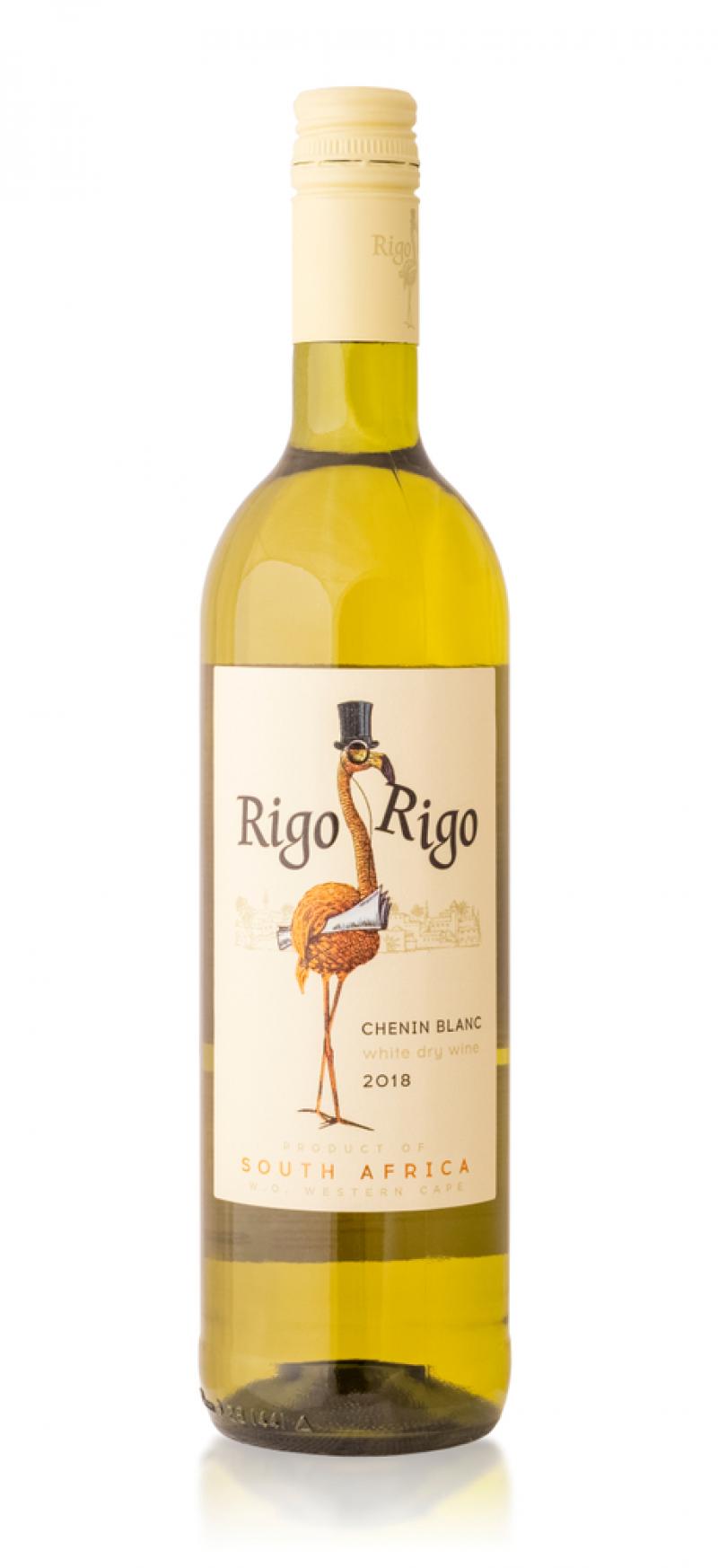
Chenin Blanc is also called:
Agudelo, Agudillo, Anjou, Blamancep, Blanc d’Anjou, Blanc d’Aunis, Blanc Emery, Blanco Legitimo, Bon Blanc, Canton, Capbreton Blanc, Chenen Belyi, Chenin, Chenin Bijeli, Confort, Coue Fort, Cruchinet, Cugnette, Feher Chenin, Franc Blanc, Franche, Gamay Blanc, Gout Fort, Gros Chenin, Gros Pineau, Gros Pineau de Vouvray, Luarskoe, Mancais Blanc, Pera, Pineau Blanc, Pineau d’Anjou, Pineau de Briollay, Pineau de la Loire, Pineau de Savennieres, Pineau de Vouvray, Pineau Gros, Pineau Gros de Vouvray, Pineau Nantais, Pineau Vert, Pinet d’Anjou, Pinot Blanco, Pinot d’Anjou, Pinot de la Loire, Plant d’Anjou, Plant de Breze, Plant de Clair de Lune, Plant de Maille, Plant de Salces, Plant de Salles, Plant du Clair de Lune, Plant Vole, Pointu de Savennieres, Que Fort, Quefort, Rajoulain, Rajoulin, Ronchalin, Rouchalin, Rouchelein, Rouchelin, Rougelin, Rousselin, Rouxalin, Rouzoulenc, Senin, Steen, Stein, Tete de Crabe, Tite de Crabe, Ugne Lombarde, Vaalblaar Stein, Verdot de Montlucon, Verdurant, White Pinot
Appearance and Characteristics
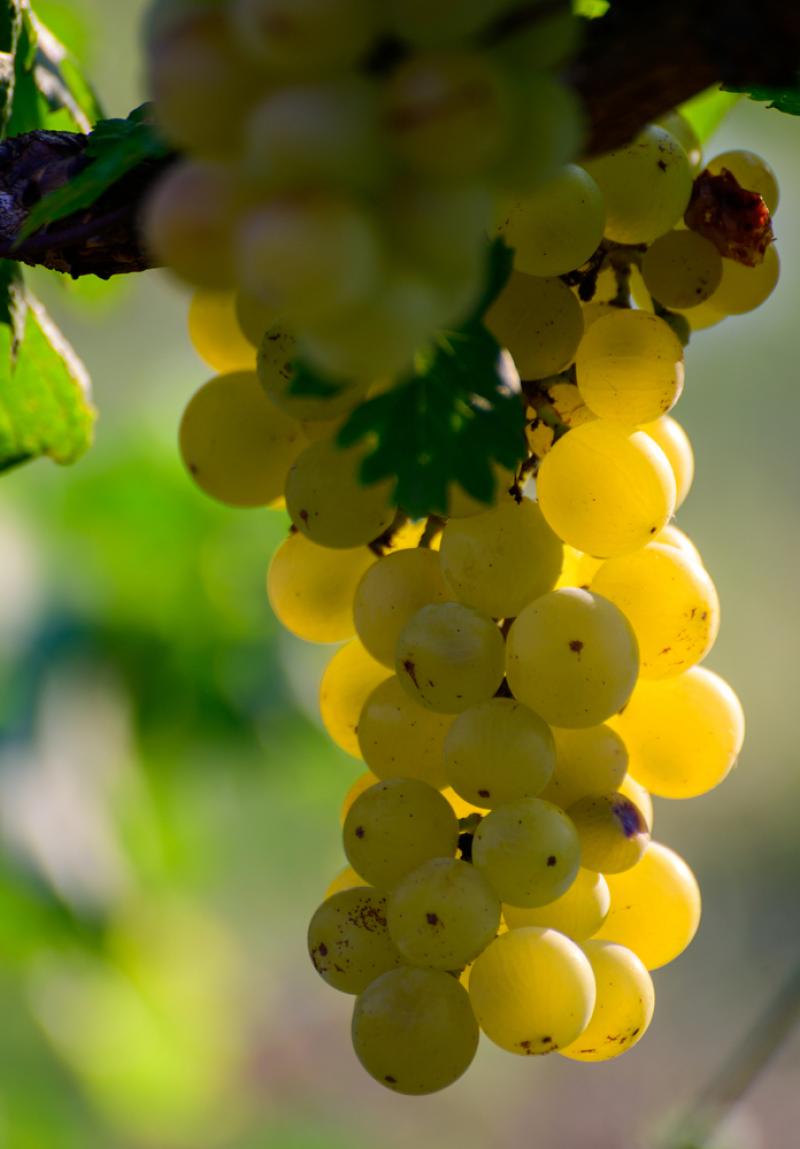
Chenin Blanc grapes are round to oval and grow in tightly packed bunches. The berries are medium-sized and have a luscious golden-yellow colour. Although their skins are relatively thin, the grapes are nevertheless very crisp. Since Chenin Blanc buds early, it is sensitive to late spring frosts, and it is a rather challenging variety to grow, being highly susceptible to powdery and downy mildew, for example. Ripening 12 to 15 days after Gutedel, the grape is classified as an early-ripening variety.
Die Weinpost