Wine encyclopedia
Germany's Dornfelder
Dornfelder is perhaps the most successful newly bred German red grape variety of recent decades, although it had to work hard to earn recognition. Its origins lie in Weinsberg in Württemberg, where it was bred and cultivated by Immanuel Dornfeld in the 1950s.
3 min read
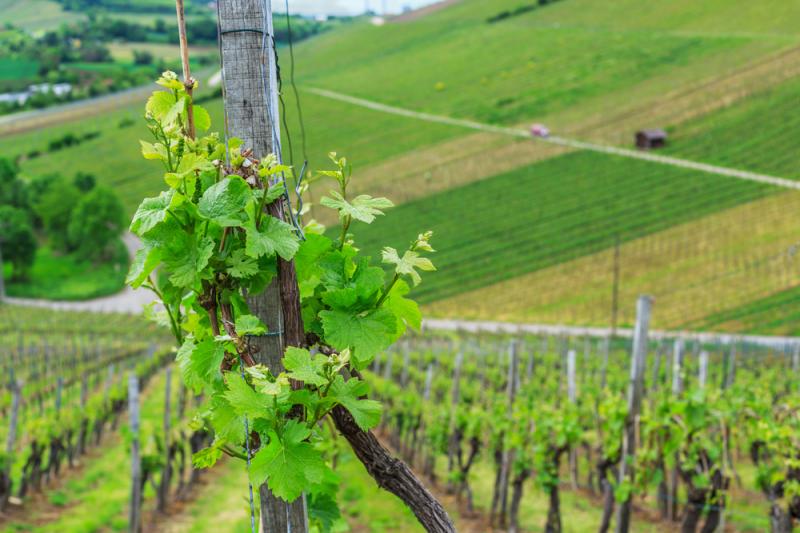
The parent varieties for this successful crossing and newly bred red grape were Helfensteiner and Heroldrebe. August Herold, after whom the latter grape was named, had bred it at the State Teaching and Research Institute for Viticulture and Fruit Growing in Weinsberg. Several years passed before Dornfelder gained acceptance among experts and winegrowers. Initially, its darker colour meant it was used primarily for blending with lighter red wines to give them a deep red hue. The full potential of the new variety was discovered only gradually. Looking at viticulture through a German lens, one might describe Dornfelder as something like Germany's Pinot Noir or Cabernet Sauvignon. Of course, that is only in terms of its broad popular appeal in the world of food and wine. It is, after all, the most successful newly bred German variety in the vineyard.
Here you will find Suitable red wines for every occasion
Dornfelder vineyard area has increased eightfold since the 1970s
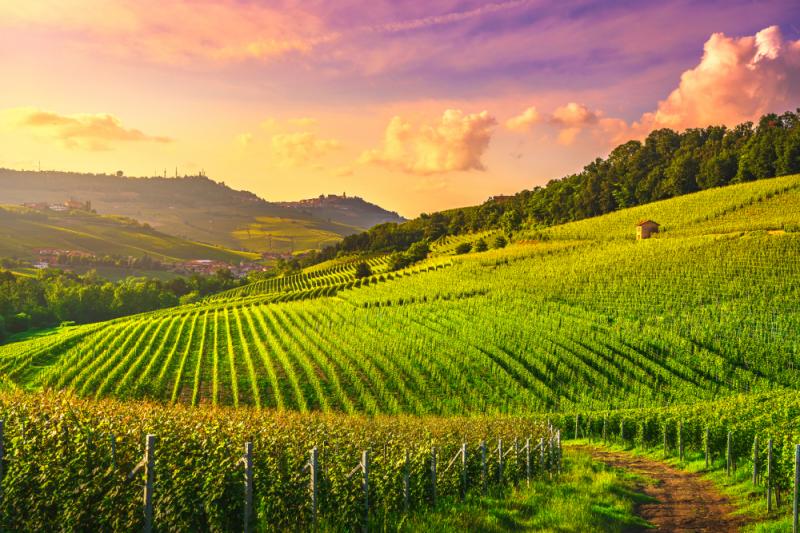
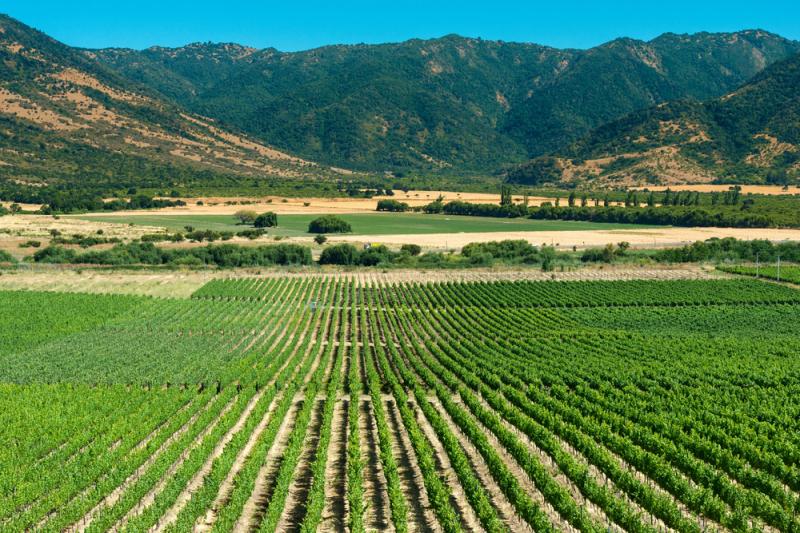
The area planted with this grape has increased eightfold since the 1970s, and it now seems to have established itself in the wine world. With a total vineyard area of just under 8,000 hectares, Dornfelder is the second most widely planted red grape in Germany's winegrowing regions, after Pinot Noir. It is increasingly made into single-varietal wines. Dornfelder has become most widespread in the Pfalz (3,100 hectares under vine) and Rheinhessen (3,500 hectares). In the Nahe, the Pfalz, Rheinhessen and Württemberg, the newly bred grape is now even counted among the so-called "Classic" varieties.
A high-yielding, robust red grape
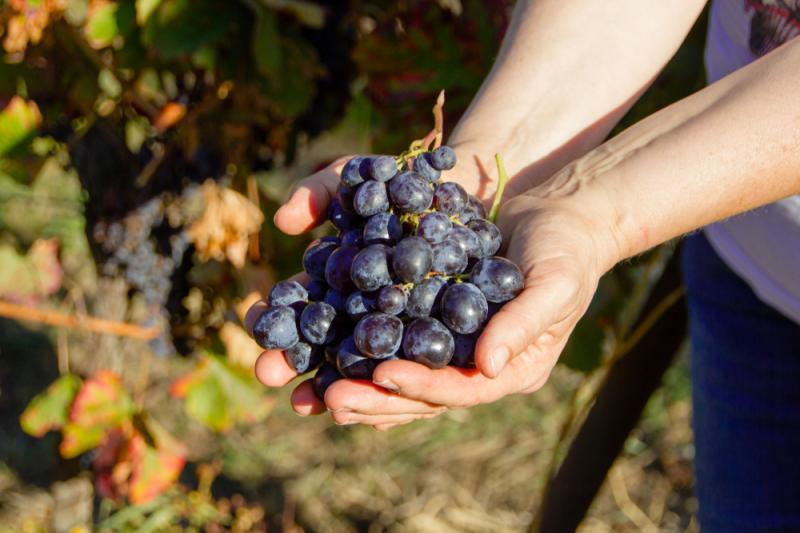
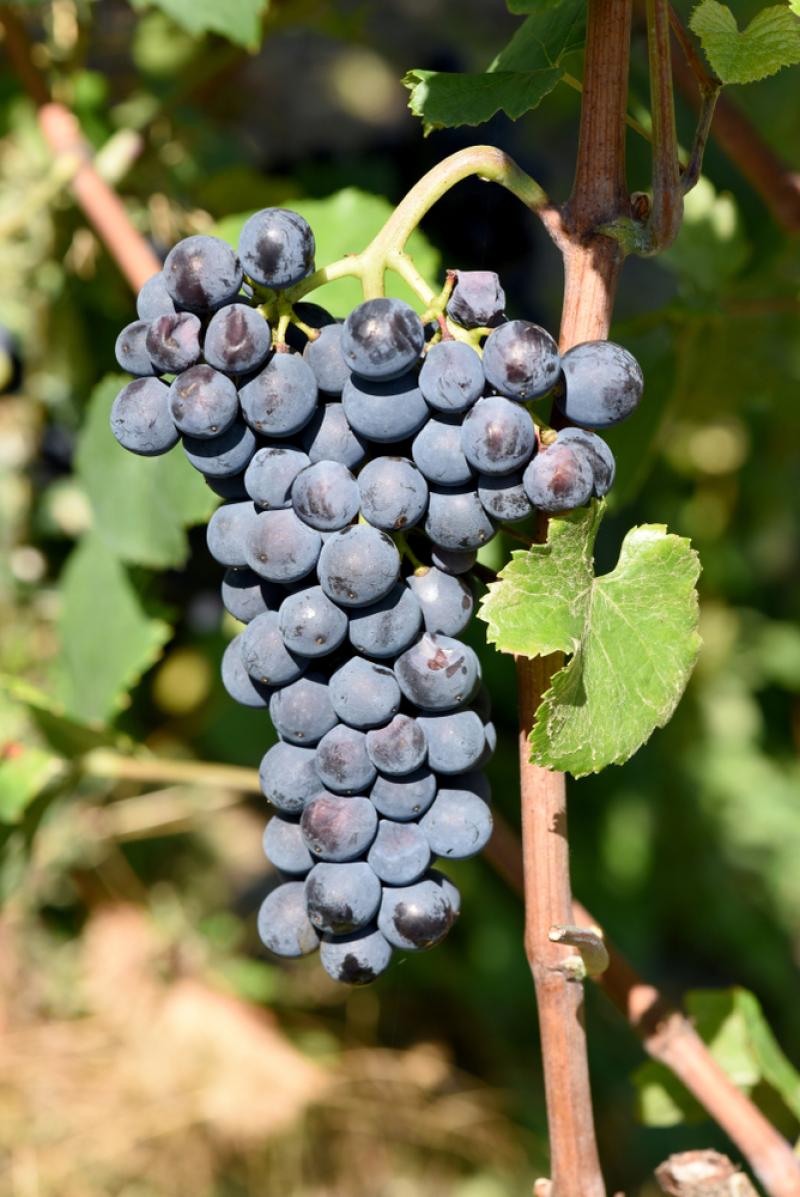
The vine is a fairly robust plant, largely unaffected by the weather and hardly susceptible to disease. Dornfelder displays considerable vigour and is regarded as particularly high-yielding. Many winegrowers remove a few bunches from the vines in spring to concentrate the constituents in the remaining grapes. The loose-berried bunches are extremely resistant to rot. Dornfelder makes relatively high demands on the soil in which it thrives best. Sandy or stony soils suit the vine no better than frost-prone sites. The large to very large bunches are conical. Dornfelder's berries, which are also quite large, are roundish and blue-black, with a thick skin that protects them well against adverse weather.
A drinking pleasure for the colder seasons
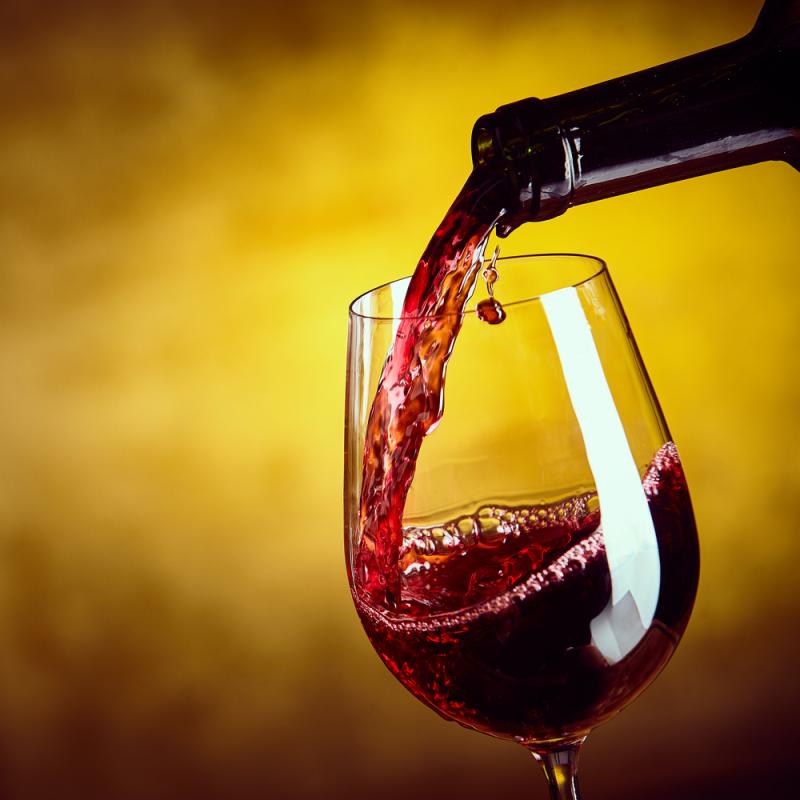
These powerful, often off-dry red wines are a pleasure to drink in the cooler seasons, preferably with a little bottle age. The quite fruity styles from the latest harvest can also be enjoyed lightly chilled in summer. At the table, Dornfelder pairs beautifully with roasts, game dishes or speciality cheeses.
Fruity aromas with berry notes
Dornfelder is primarily made into dry red wine. It can be characterised as rich and harmonious. Two different production styles can be distinguished.
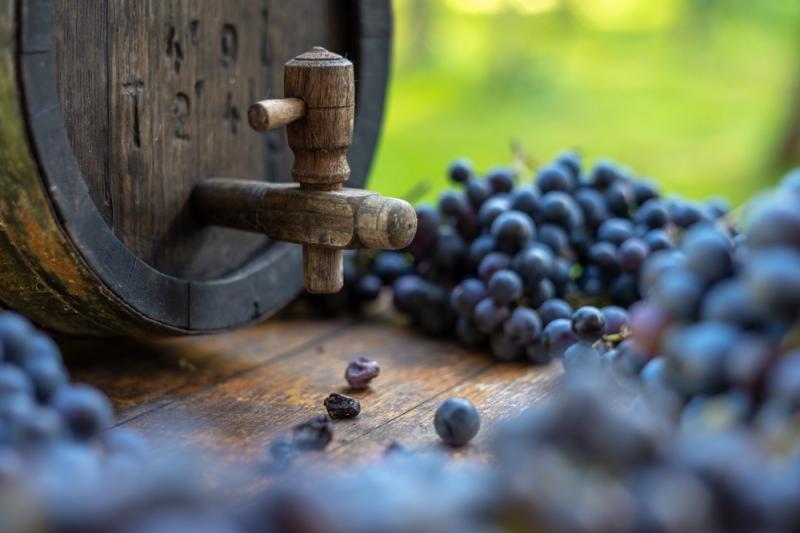
One approach emphasises the fruit aromas, with notes of sour cherry, blackberry and elderberry, and brings the wine to market young. Alternatively, Dornfelder is aged in wooden barrels to accentuate the tannins and tone down the aromas. As a rule, a Dornfelder red wine is readily recognisable by its deep, dark, almost violet colour.
In exceptional cases, it is also used to produce red sparkling wines or rosé. Demand for intensely coloured red wines has made the grape a fashionable variety here in Germany. Increasingly, Dornfelder is also pressed as a white wine, with the resulting still wine then made into sparkling wine. Brief fermentation on the skins produces rosé wines that are often sweet. In the Pfalz, Dornfelder is also made into Federroter, a partially fermented red grape must. With its remarkable concentration and generous body, this deeply dark, fruity red wine with a velvety, full-bodied palate is something of a Teutonic answer to red wines from the Mediterranean regions.
Die Weinpost