Wine encyclopedia
Elbling as a Historic Grape Variety
How much of the Elbe is there in Elbling, the Saxons wonder? In the past, almost none. After all, the grape variety was already being grown by the Romans along the Mosel when Saxony was still inhabited by wild fellows with no cultivated wine. It may not be a world champion in terms of acreage, but it is a wine that tastes good in its youth.
4 min read
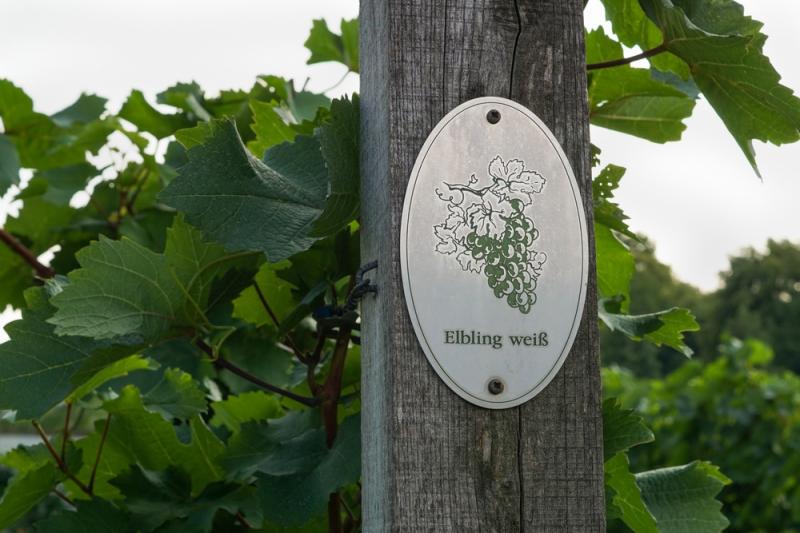
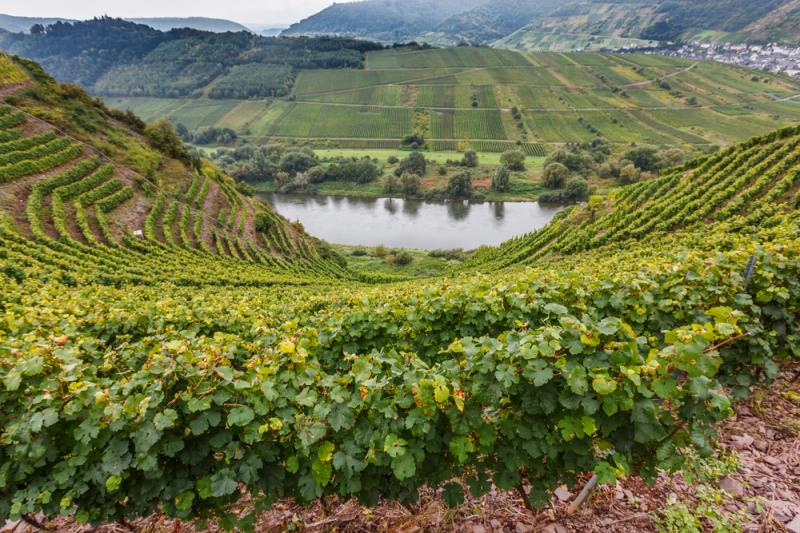
It, too, feels most at home on an early-evening table in summer, and happily stays there.
Elbling was the Romans’ refreshing white wine
Elbling is one of the oldest grape varieties, and above all one of the oldest cultivated varieties in Europe. Probably introduced by the Romans, this white grape can look back on a tradition spanning more than 2,000 years on the Upper Mosel. According to historical accounts, the Romans called the vine “Vitis alba”, from which its present-day name evolved over the centuries. Elbling was widespread in Germany’s neighbouring countries and in Eastern Europe until the 19th century. Gradually, however, this indigenous variety was displaced by other white grapes such as Silvaner and Riesling.
Historic Grape Varieties - Blauer Elbling
Elbling is a spontaneous crossing of grape varieties
Elbling is probably a spontaneous crossing of two grape varieties. DNA analysis has established that one of these parent varieties is the so-called Weißer Heunisch, while the other is very likely the Franconian grape variety Traminer Sämling.
Ideally suited to environmentally friendly viticulture
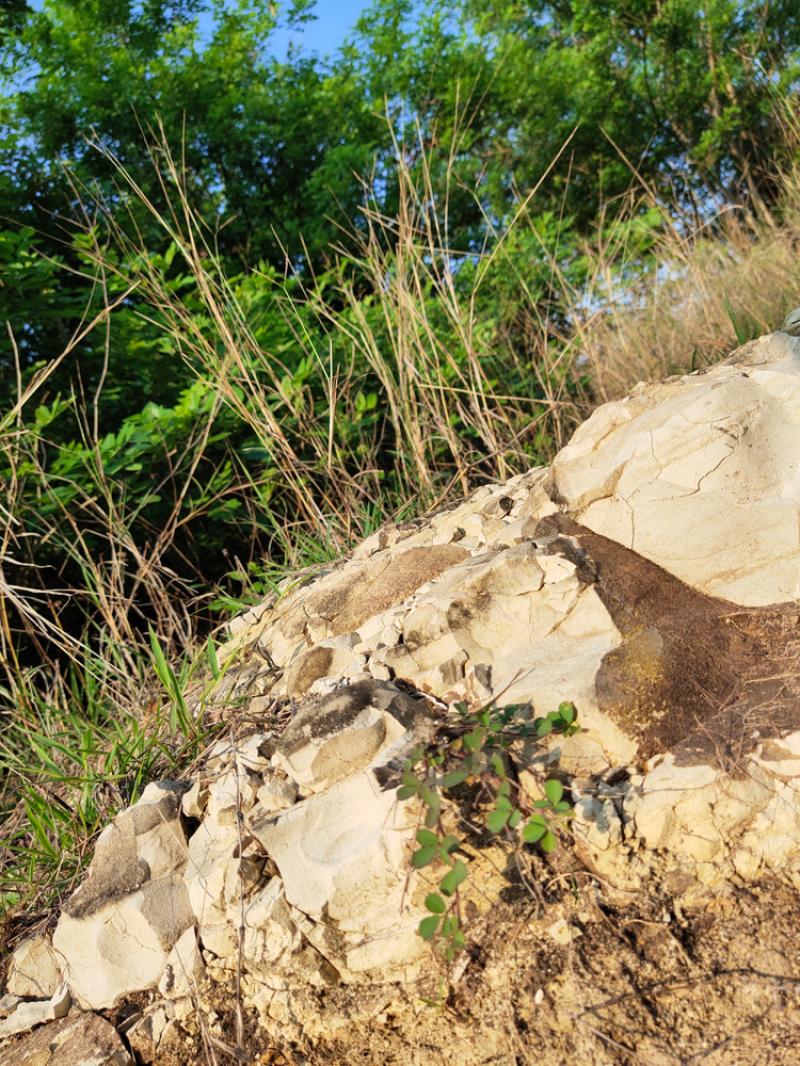
Although this early-ripening grape variety makes no particularly great demands on its site, it thrives especially well on shell limestone soils such as those prevalent along the Mosel. Elbling is also exceptionally well suited to nature-friendly, environmentally responsible viticulture, as it requires comparatively little nitrogen and the relatively thick vine trunks can live to a very great age.
A Wine Journey through Germany - Saxony
The third most important grape variety on the Mosel
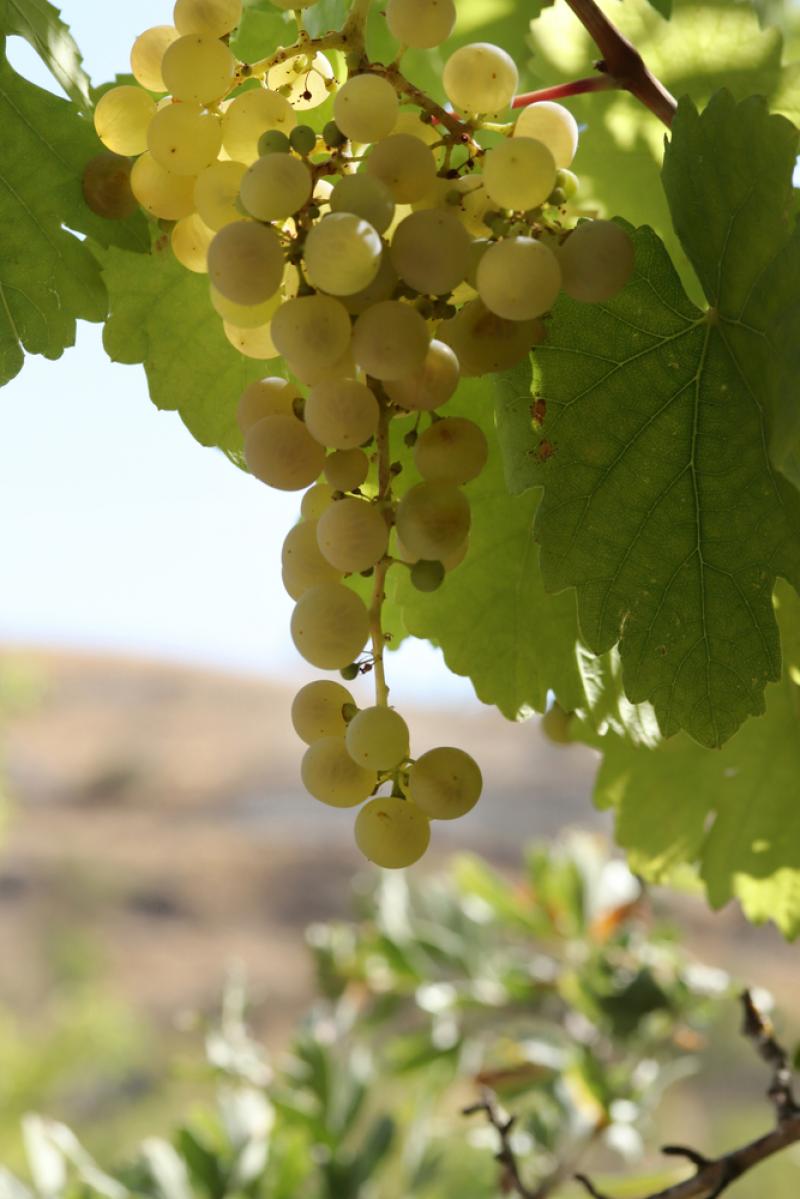
To preserve the wine’s characteristic lively freshness, winegrowers must take care to protect the thin-skinned grapes. In terms of total vineyard area, Elbling ranks among Germany’s less significant varieties, with around 524 hectares. On the Mosel, however, Elbling is the third most important grape variety, although its vineyard area has declined slightly further in recent years.
Declining vineyard area following the abolition of wine tithes
The vine was also widespread in Germany’s neighbouring countries well into the 19th century. Over time, however, the grape variety was pushed into the background by other white grapes. Historically, its decline in acreage is probably closely linked to the abolition of wine tithes paid to the Church. As a high-yielding grape variety, Elbling was popular for producing the obligatory share for the Church economically.
The many names of Elbling
Because this grape variety, too, has a history stretching back centuries, countless winegrowers in Italy and around the world have given it their own names. Here is a whole mountain of alternative names for one and the same wine. Have fun learning them by heart.
Elbling is also known as:
‘Aelbinen’, ‘Albana’ (used in Italy, but not to be confused with the Albana variety), ‘Albe’, ‘Alben’, ‘Albich’, ‘Albig’, ‘Albuelin’, ‘Albuelis’, ‘Allemand’, ‘Allemand Blanc’, ‘Allemand Facun’, ‘Alsacien’, ‘Alva’, ‘Argentin’, ‘Biela Zrebnina’, ‘Bielovacka’, ‘Bielovcka’, ‘Bielowaczkai’, ‘Blesec’, ‘Blesez’, ‘Bourgeois’, ‘Burgauer’, ‘Burgeger’, ‘Burgegger’, ‘Burger’, ‘Burger Blanc’, ‘Burger Elbling’, ‘Burgundertraube Gruen’, ‘Burgyre’, ‘Dickelbling’, ‘Dickweiss’, ‘Elbai Feher’, ‘Elbe’, ‘Elbele’, ‘Elben’, ‘Elben Feher’, ‘Elben Weiss’, ‘Elben Weisse’, ‘Elber’, ‘Elbinger’, ‘Elbling’, ‘Elbling Blanc’, ‘Elbner’, ‘Elmene’, ‘Elsaesser’, ‘Facan’, ‘Facum’, ‘Facun’, ‘Facun Blanc’, ‘Farantbily’, ‘Faucun’, ‘Fauler Elsasser’, ‘Frankenthal Blanc’, ‘Gemeine Traube’, ‘Geschlachter Burger’, ‘Gonais Blanc’, ‘Gouais Blanc’, ‘Grausilber’, ‘Grobburger’, ‘Grobe’, ‘Grobe Aus Oesterreich’, ‘Grobes’, ‘Grobriesling’, ‘Gros Blanc’, ‘Grossburger’, ‘Grosselbele’, ‘Grossriesler’, ‘Grossriesling’, ‘Grunsilber’, ‘Hartalbe’, ‘Haussard’, ‘Herblink’, ‘Heunisch Gruen’, ‘Isodora Brachybus’, ‘Klaemmer’, ‘Kleinbeer’, ‘Kleinbeere’, ‘Kleinberger’, ‘Kleinburger’, ‘Klember’, ‘Klemmer’, ‘Klemplich’, ‘Knoller’, ‘Kratkopeccelj’, ‘Kratkopecelj’, ‘Kristaller’, ‘Kristeller’, ‘Kurzstieler’, ‘Kurzstingel’, ‘Kurzstingl’, ‘Kurzstingler’, ‘Le Gros’, ‘Luttenbershna’, ‘Marmont Vert’, ‘Marmot’, ‘Mehlweisse’, ‘Morawka’, ‘Mouillet’, ‘Naesslinger’, ‘Nuernberger Zaeh’, ‘Nuesslinger’, ‘Pecek’, ‘Pezhech’, ‘Pezhek’, ‘Plant Commun’, ‘Plant Madame’, ‘Raesslinger’, ‘Raifrench’, ‘Raisin Blanc Des Allemands’, ‘Rauhelbene’, ‘Reinfransch’, ‘Rheinalben’, ‘Rheinelbe’, ‘Sauer- Grobes’, ‘Schuldenzahler’, ‘Seretonina’, ‘Silberweiss’, ‘Silvaner Weiss’, ‘Spizelbe’, ‘Srebonina’, ‘Srebrnina Bijela’, ‘Suessgrober’, ‘Suessgrobes’, ‘Sussgrober’, ‘Tarant Bily’, ‘Tarant De Boheme’, ‘Verdin Blanc’, ‘Vert Blanc’, ‘Vert Doux’, ‘Vodenjak’, ‘Weisalben’, ‘Weiselber’, ‘Weissalbe’, ‘Weisselben’, ‘Weisselbling’, ‘Weisser’, ‘Weisser Dickelbling’, ‘Weisser Elben’, ‘Weisser Elbling’, ‘Weisser Sylvaner’, ‘Weissstock’, ‘Welsche’, ‘Welschel’, ‘Ysele’
Refreshingly lively and uncomplicated
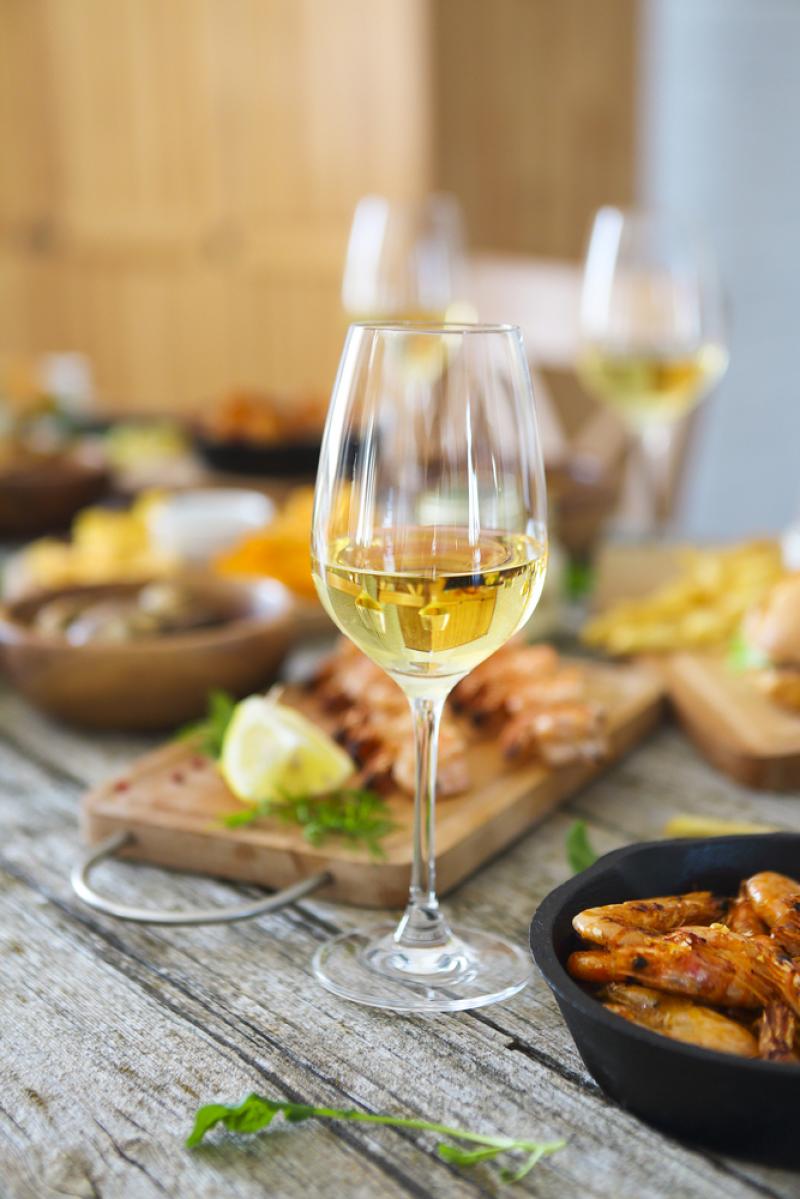
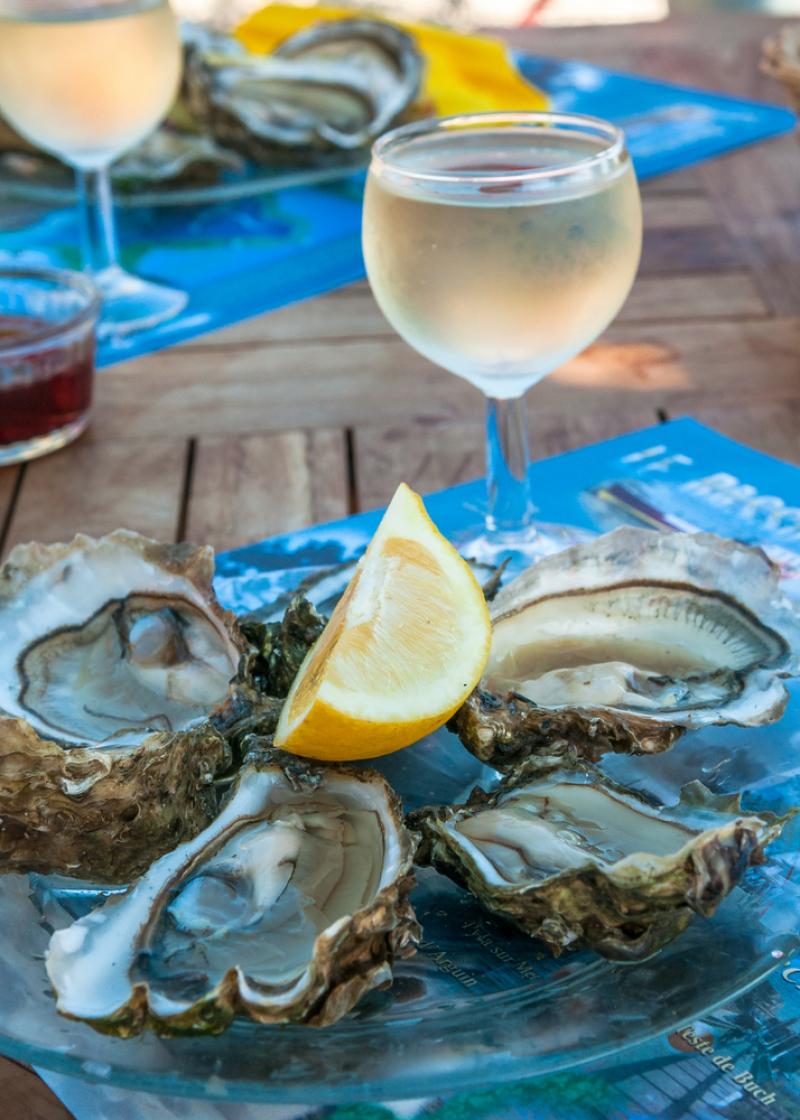
This white grape variety is distinguished by a refreshing liveliness and a light, uncomplicated character. Lightly chilled, it is an ideal thirst-quencher on warm summer days. Dry Elbling also meets more exacting expectations in terms of bouquet and sensory qualities, delivering a rounded, harmonious flavour profile. Elbling wine can be recommended with equal confidence alongside hearty snacks, fish and seafood. Its light, supple character also makes Elbling a wonderful summer wine.
An easy-drinking and refreshing table wine
The wine is characterised by an acidity level roughly equivalent to that of Riesling, but with a softer impression. It is rarely encountered as a sweet wine or a lusciously sweet white wine. The classic grapes are preferably made into table wines that are as easy-drinking as they are refreshing, or used to produce dry and off-dry Sekt. Elbling’s distinctive liveliness is particularly rewarding in sparkling wine. A rarely encountered local speciality is Roter Elbling, made from reddish berries and salmon in colour.
Remarkable freshness and acidity
Wines made from Elbling grapes tend to be dry whites and are regarded by connoisseurs in Germany as delicious rarities with an excellent reputation. A typical fresh, easy-drinking white wine from the Elbling grape impresses with remarkable freshness and spirited acidity. Elbling’s often-praised easy-drinking character and much-lauded, balanced fruit make this light-yellow to pale-yellow white wine an ideal companion at the table. Delicately fragrant apple notes are typical of Elbling wine. On the palate, this invigorating wine is crisp and fruity.
Die Weinpost