Wine encyclopedia
Gamay and Beaujolais
The Beaujolais crus naturally know the Gamay grape inside out. For this less world-famous variety comes into its own here and can be partnered with Pinot Noir in a blend with typically French nonchalance. Fire up the barbecue, put some Gamay alongside it — you've got it just right!
5 min read
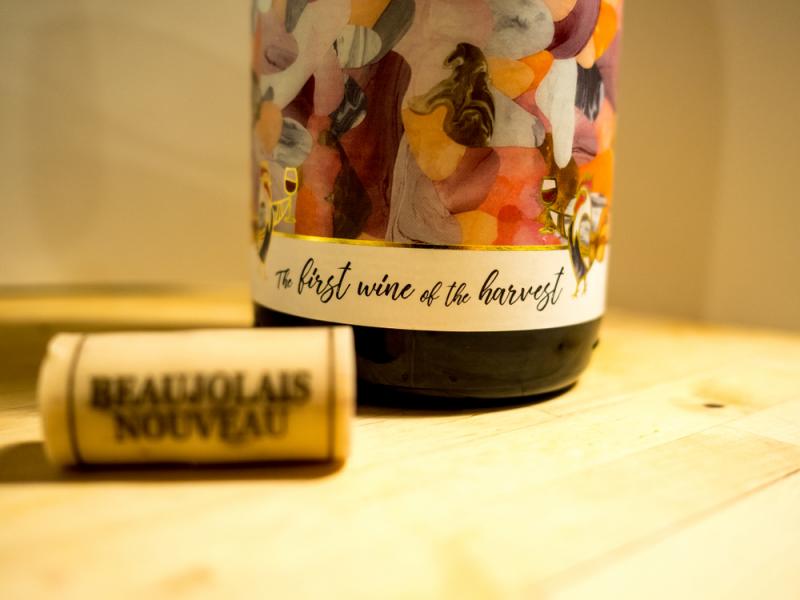
The venerable Beaujolais grape
Gamay, a grape variety particularly popular in Beaujolais, most likely originated from a natural cross between Pinot Blanc and Gouais Blanc, which the Romans brought to France. These two grape varieties are fundamentally different genetically, which ultimately makes the vine so resilient, robust and successful. The first documented mention dates back to the 13th century. The vine is said to have first been grown and cultivated by Benedictine monks in the Middle Ages. However, some wine historians claim that the Gamay vine came to France from Dalmatia as early as the 3rd century. It was probably named after a village of the same name on the Côte d'Or.
Here you can find Suitable red wines for every occasion
An exceptionally fruity red wine
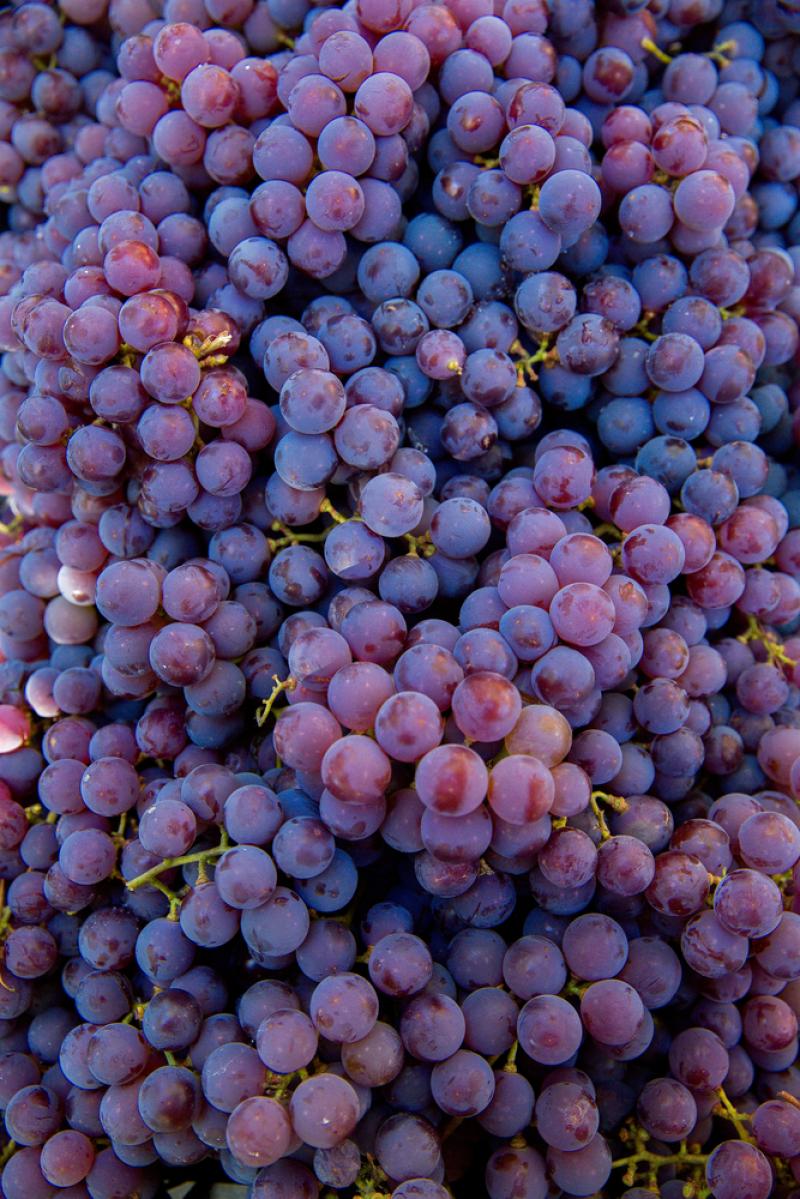
The grapes are the raw material for an exceptionally fruity red wine with pronounced acidity and lively aromas of fresh berries and fruit. The colour of these typical red wines ranges from a deep ruby red to a rich cherry red. This makes the relatively pale Gamay distinctly different from the rich purple of a Burgundy. These red wines, whose grapes are distinguished by their pale flesh, are generally drunk relatively young and should be lightly chilled before serving.
A party for Beaujolais Primeur
Fresh aromas of red fruit and berries
The wine comes from one of those grape varieties that bud relatively early and ripen very quickly, making it ideally suited to producing the first wines of a new season (known as Beaujolais Primeur or Beaujolais Nouveau — on the third Thursday in November). Yet Gamay, too, only develops its full aroma after several years of ageing. Blended with Pinot Noir, it produces a pleasantly light wine with fresh red-fruit aromas and subtle notes of delicate spices.
A major player in France, covering 34,000 hectares
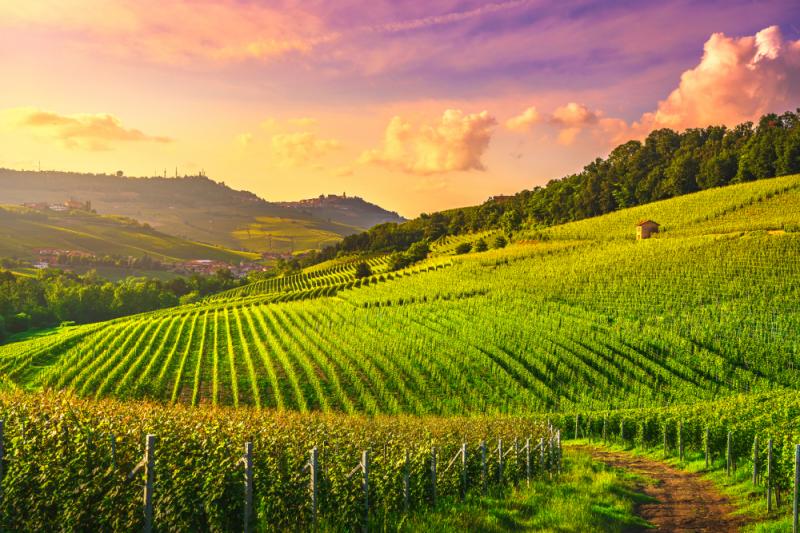
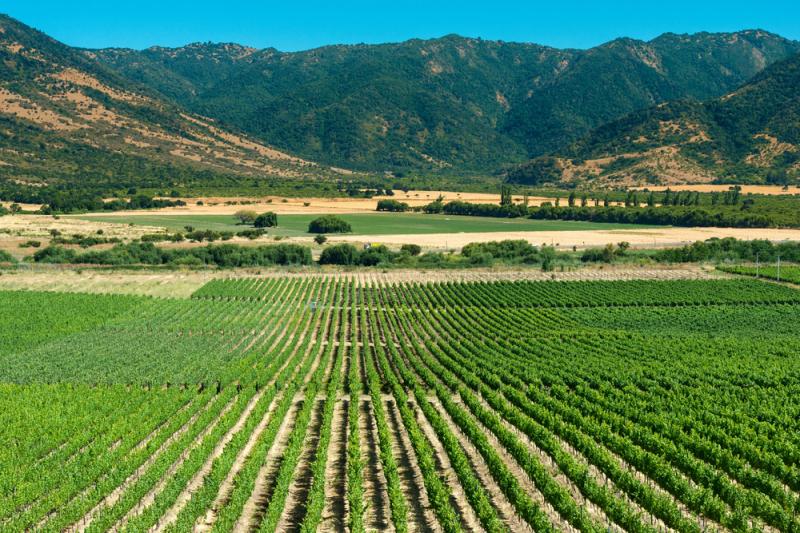
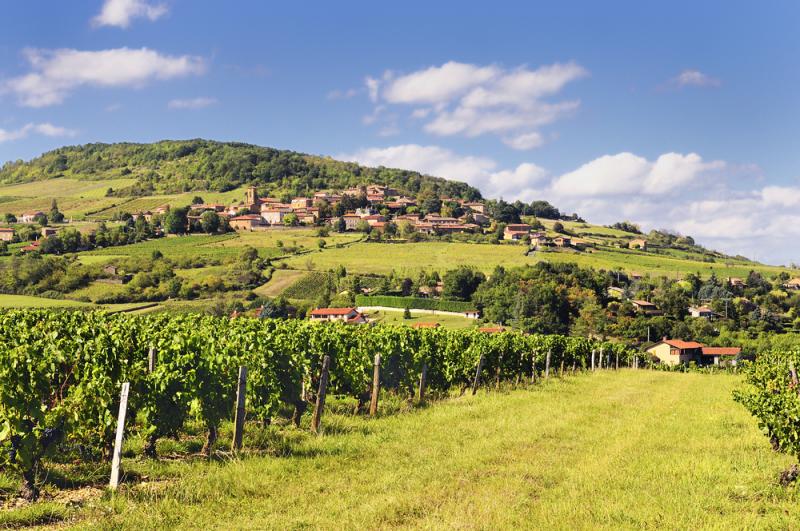
In France, the grape variety is grown on approximately 34,000 hectares, around 60% of which lie in the Beaujolais region. This is partly due to the prevailing clay and granite soils there, in which the Gamay vine feels particularly at home. The variety is also grown in France's Loire region. Outside the French regions, Gamay plays a more significant role primarily in western Switzerland and the Aosta Valley. Other growing areas can be found in South Africa, Canada and Italy.
Special tank fermentation for a lively red wine
An important factor in the grape variety's enduring popularity in France is the production method. As a first step, the ripe grapes are placed, uncrushed, in a hermetically sealed tank. The pressure of new layers of grapes tipped onto the first grapes triggers fermentation. The carbon dioxide released during this process surrounds the grapes and sets fermentation in motion from within. This method extracts a maximum of colour compounds from the red grapes, but only a minimum of tannins. The final product obtained after several days of pressing and fermentation is a very fruity, lively red wine with a slight sweetness and relatively pronounced acidity.
Wine trip to France — Beaujolais
The many names of Gamay
Since this grape variety also has a centuries-long history, countless winegrowers in Italy and around the world have given it a name of their own. Here is a whole mountain of other names for one and the same wine. Have fun learning them by heart.
Gamay is also known as:
Bargogna, Beaujolais, Beuna di Susa, Black Gamet, Blauer Gamet, Borgogna, Borgogna Black, Borgogna Blaue, Borgonja, Borgonja Crna, Borgonja Istarska, Bougiole, Bourgignon, Bourguignon Noir, Burgundi Kek, Burgundi Nagyszemii, Burgundi Nagyszemu, Carcairone, Chambonat, Complant de Lune, Crna Borgonja, Erice Noir, Ericey du Acher, Gamai, Gamai Arnoul, Gamai Chatillon, Gamai d’Ovola, Gamai de la Claire, Gamai de la Dole, Gamai de Montagne, Gamai de Saint Cyr, Gamai de Varennes, Gamai du Jardin Moulin, Gamai Fin, Gamai Henryet, Gamai Morvandian, Gamai Noir, Gamai Rond, Gaman de Liverdun, Gamatraube, Gamay, Gamay a Jus Blanc, Gamay Beaujolais, Gamay Black, Gamay Charmont, Gamay Crni, Gamay d’Arcenant, Gamay d’Argenant, Gamay d’Auvergne, Gamay d’Evelles, Gamay d’Orleans, Gamay de Bevy, Gamay de Caudoz, Gamay de Fontvial, Gamay de Gresvray, Gamay de la Dole, Gamay de la Meurthe, Gamay de Liverdun, Gamay de Malain, Gamay de Saint Galmier, Gamay de Saint Peray, Gamay de Saint Romain, Gamay de Saint Romain la Motte, Gamay de Sainte Foix, Gamay de Toul, Gamay de Vaux, Gamay de Waux, Gamay des Gamays, Gamay des Trois Ceps, Gamay du Beaujolais, Gamay du Gatinais, Gamay du Moulin Moine, Gamay Geoffraj, Gamay Guillard, Gamay Joneris, Gamay Jonery, Gamay Labronde, Gamay Margerand, Gamay Mathieu, Gamay Mogneneins, Gamay Nero, Gamay Nero di Liverdun, Gamay Nicolas, Gamay Noar, Gamay Noir A Jus Blanc, Gamay Noir Petit, Gamay Ovoide, Gamay Petit, Gamay Picard, Gamay Piccolo Nero, Gamay Picolo, Gamay Plant Robert, Gamay Precoce, Gamay Rond, Gamay Sainte-Foix, Gamay Thomas, Gambonnin, Game, Game Black, Game Bojole, Game Bozhole, Game Burgundskii, Game Chernyi, Game Cornii, Game Crni, Game Krasnaya, Game Krasnyi, Game Noar, Game Nuar, Game Red, Game Ruj, Game Ruzh, Gamet, Gamet Blau, Gamet Blauer, Gamme, Gamw Pikkolo Nero, Gara Game, Garcairone, Gaumey, Goumey, Grand Liverdun, Gros Bourguignon Noir, Gros Gamai, Gros Rondelet, Grosse Dole, Grosse Race, Iverdoner, Kek Gamay, Lekant, Liverdon, Liverdun Blau, Liverdun Grand, Lyonnaise, Lyonnaise Commune, Lyonnaise du Jonchay, Melon, Melon Gross Blau, Melon Noir, Melonentraube Schwarz, Morvandiot, Nagyburgundi Kek, Nicola, Olivette Beaujolaise, Petit Bouirguignon, Petit Bourguignon, Petit Gamai, Petit Gamay, Petit Rondelet, Petite Lyonnaise, Piccolo Gamay, Plant Charmenton, Plant Charmeton, Plant Chataignet, Plant Chatillon, Plant d’Argenant, Plant d’Hery, Plant d’Arcenant, Plant d’Evelles, Plant d’Hery, Plant de Bevy, Plant de la Treille, Plant de Labronde, Plant de Limagne, Plant de Magny, Plant de Malin, Plant de Montagny Sous Beaune, Plant de Montlambert, Plant de Perrache, Plant de Perraghe, Plant des Carmes, Plant Montagny-Sous-Beaune, Plant Monternier, Plant Nicolas, Plant Nikolas, Plant Picard, Plant Robert, Plant Tachon, Plant Tondo, Plant Tondu, Pti Game, Pti Qame, Qame Bojole, Qame Nuar, Qame Qirmizi, Qame Ruj, Qara Qame, Recsei Fekete, Saumorille, Schwarze Melonentraube, Sulzentaler Blau, Verdunois
The fruity lightness of being
What particularly distinguishes Beaujolais wine made from the Gamay grape is its notably fruity lightness, generally underscored by various floral aromas. Typical aromas of these red wines are banana and red berries. This also makes the red wine a perfect companion to almost any kind of food.
Die Weinpost