Wine encyclopedia
Gelber Muskateller as an Aperitif
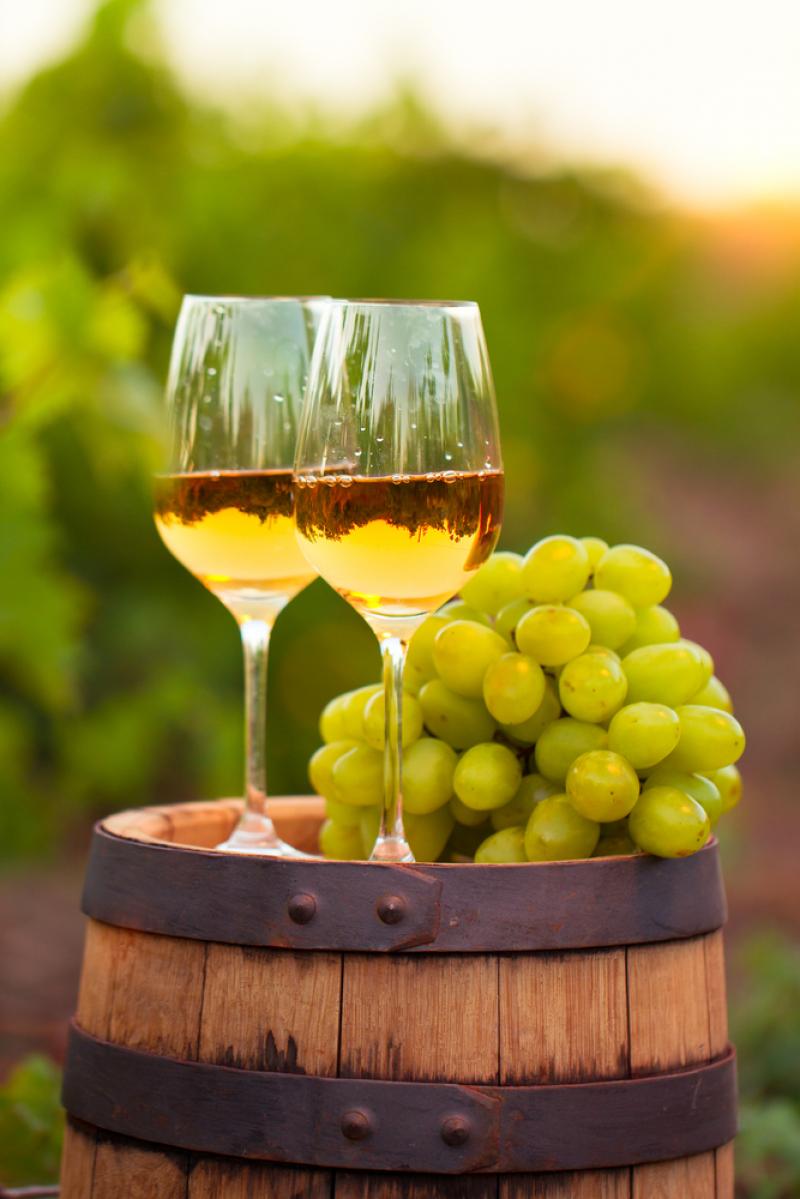
Being an aperitif wine is not easy. I must not steal the show from the main wine, but at the same time I have to whet the appetite for more. Goldmuskateller, or Moscato Giallo as it is also known, does this exceptionally well. While it is dry in Austria, the same grape is made into sweet sparkling wine in Greece.
6 min read

The History of Yellow Muscat
Gelber Muskateller is one of the oldest grape varieties in the world, if not the oldest. Like so many stories of winegrowing, its journey begins in Western Asia. From there, Greeks and Phoenicians took plants home so they could grow this light, exceptionally tasty wine themselves. As early as AD 60, Pliny mentioned Muscat wine as Uva Apiana. For reasons of keeping quality, and because it was then much more quaffable, the sweet version was a great hit with the Romans and was served under the name Passus. Charlemagne (around AD 800), who had Muscat brought to Aachen, and Emperor Frederick Barbarossa in the 12th century were great fans of this golden wine. Some sources even claim that this wine has so much history that it is celebrated in the Song of the Nibelungs. Yet there seems to be little about it in the original Middle High German text from the 13th century. Whatever the case, such a biography is impressive by any measure.
The Characteristics of Muscat
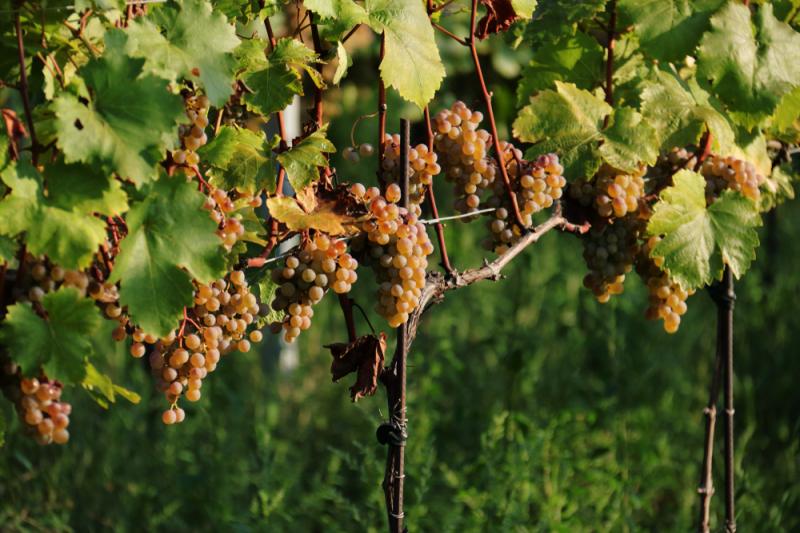
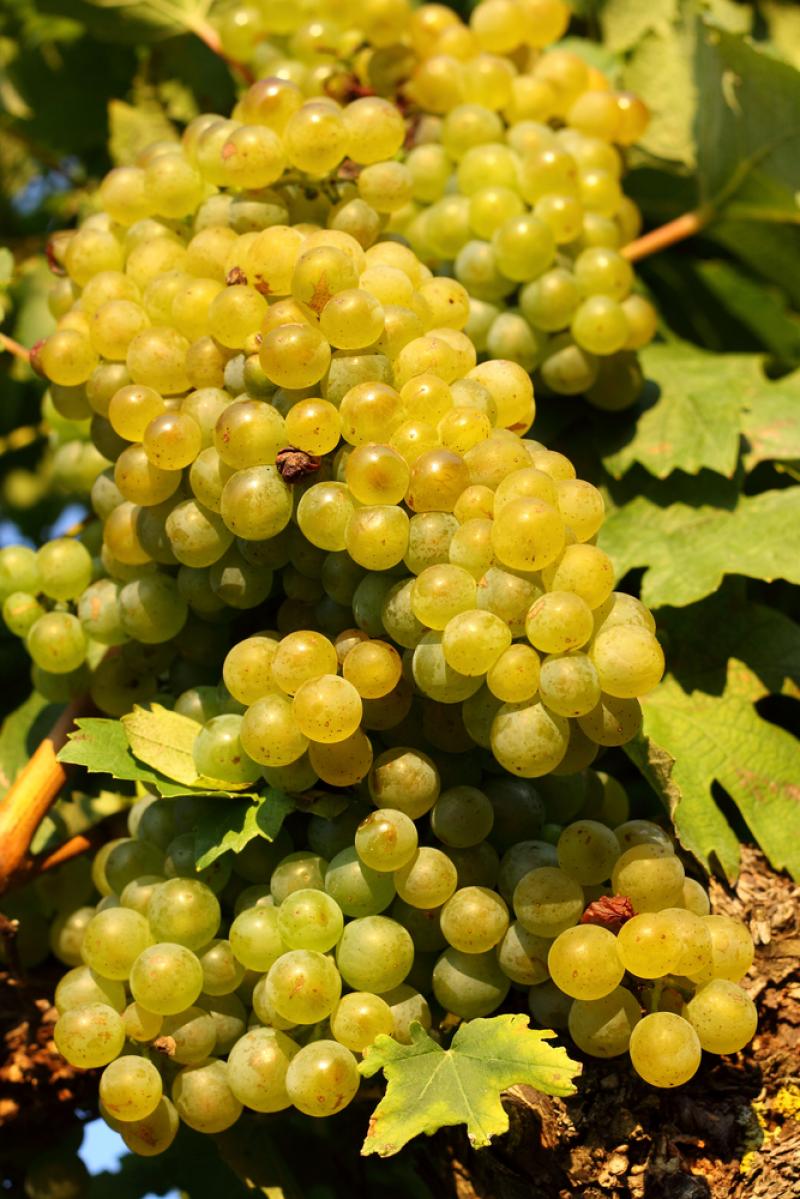
Muscat has an enormous family tree. Not only does it come in over 200 variants and mutations, it also spans the entire colour spectrum from pale yellow through green to violet. The varieties associated with good to very good white wines tend to have small berries. That is why Gelber Muskateller is also called Muscat blanc à petits grains in France: Muscat with small, pale grapes. These include White Muscat, Yellow Muscat and the reddish mutation, Rosenmuskateller. The berry of Gelber Muskateller is small to medium-sized and yellowish to golden. Gelber Muskateller offers aromas of peach, rose and citrus fruit, and is almost beguiling with its delicate hint of nutmeg. With ample acidity as well as sweetness, it forms a complete work of art combining fruit, acidity and spice. And anyone who has ever had the chance to sniff the grapes on the vine knows exactly what will later emerge from the bottle
The Many Names of Gelber Muskateller
Because this grape variety also has a history spanning centuries in the world of white wine, countless winegrowers in Italy and around the world have given it a name of their own. Here is a whole mountain of other names for one and the same wine. Have fun learning them by heart.
Gelber Muskateller is also known as:
Ag Muskat, Alpianae de los Romanos, Anatholican Moschaton, Apiana, Bala dinka, Barzsing, Barzsing Bjala Tamjanka, Beala Tameanka, Bela dinka, Beli Muscat, Beli Muskat, Belii Muscatnii, Beyaz Misket, Biblina, Bily Muscatel, Bily Muskatel, Bjala Tamjanka, Blanche Douse, Bornova Misketi, Brown Muscat, Busuioaca, Busuioaca de Moldava, Busuioaca de Moldova, Busuioaca di Moldavia, Busuiok, Chungi, Csikos Muskotaly, Csikos Zoeld Szagos, Cungy, dinka Bela, Early Silver Frontignan, Feher Muskotaly, Franczier Veros Muscatel, Franczier Voros Miskatel, Frontignac, Frontignan, Gelber Muscateller, Gelber Muskateller, Gelber Weichranch, Gelber Weihrauch, Generosa, Gruener Musckateller, Gruener Musk, Gruener Muskateller, Hazai Muskotaly, Honi Muskotaly, Irmes, Izmir Misket, Joenica, Joszagu, Katzendreckler, Kedves Muskotaly, Khungi, Kilianstraube, Kungi, Kunqi, Kustidini, Ladanniy, Ladanny, Ladannyi, Ladany, Lidannyi, Lidannyj, Malvasia Bianca, Malvasia di Viggiano, Moscadello, Moscadello Giallo, Moscat Bianco, Moscata Bianca, Moscatel Almizclero, Moscatel Amizclero, Moscatel Blanco, Moscatel Blanco de Grano Menudo, Moscatel Branco, Moscatel Castellano, Moscatel Commun, Moscatel Comun, Moscatel de Bago Miudo Branco, Moscatel de Bago Muido, Moscatel de Canelli, Moscatel de Douro, Moscatel de Frontignan, Moscatel de Grano, Moscatel de Grano Menudo, Moscatel de Grano Menudo Blanco, Moscatel de Grano Pequeno, Moscatel de Jesus,
...and on we go with even more names
Moscatel de La Tierra, Moscatel de Toro, Moscatel Del Pais, Moscatel Do Douro, Moscatel Dorado, Moscatel Encarnado, Moscatel Fino, Moscatel Galego, Moscatel Galego Branco, Moscatel Grano Menudo, Moscatel Menudo, Moscatel Menudo Bianco, Moscatel Menudo Blanco, Moscatel Menudo Branco, Moscatel Morisco, Moscatel Morisco Fino de Malaga, Moscatel Nunes, Moscatella Bianca, Moscatella Generosa, Moscatella Isidori, Moscatello, Moscatello Antico, Moscatello Bianco, Moscatello Bianco di Basilicata, Moscatello di Montalcino, Moscatello di Saracena, Moscatello di Taggia, Moscatellone, Moscato, Moscato Bianco, Moscato Bianco Comune, Moscato Bianco dell'Elba, Moscato Bianco Piemontese, Moscato Canelli, Moscato d'Arqua, Moscato d'Asti, Moscato dei Colli, Moscato dei Colli Euganei, Moscato di Candia, Moscato di Canelli, Moscato di Chambave, Moscato di Frontignan, Moscato di Momiano, Moscato di Montalcino, Moscato di Noto, Moscato di Orso Senori, Moscato di S. Maria, Moscato di Sardegna, Moscato di Siracusa, Moscato di Tempio, Moscato di Tempio Pausania, Moscato di Trani, Moscato Forlivese, Moscato Reale, Moscato Spinas, Moscato Tempio, Moscatofilo, Moschato, Moschato Aspro, Moschato Kerkyras, Moschato Lefko, Moschato Mazas, Moschato Proimo, Moschato Psilo, Moschato Riou, Moschato Samou, Moschato Spinas, Moschodi Proimo, Moschonidi, Moschostaphyllo Aspro, Moschoudi, Moschoudi Proimo, Moscodellone, Moscovitza, Moshato Spinas, Moskat Bianco, Moskat I Bardhe, Muscadel, Muscadel Morisco, Muscadella, Muscat, Muscat a Petit Graine, Muscat a Petits Grains, Muscat aux Petit Grains, Muscat Beli, Muscat Belyi, Muscat Blanc, Muscat Blanc a Petits Grains, Muscat Blanc Commun, Muscat Blanc de Frontignan, Muscat Blanc du Valais, Muscat Canelli, Muscat Commun, Muscat d’Alsace, Muscat d’Alsace Blanc, Muscat d’Astrakhan, Muscat de Alsace, Muscat de Chambave, Muscat de Die, Muscat de Frontignan, Muscat de los Franceses, Muscat de Lunce, Muscat de Lunel, Muscat de Narbonne, Muscat de Rivesaltes, Muscat de Samos, Muscat de Spina, Muscat di Frontignan, Muscat du Puy de Dome, Muscat du Valais, Muscat Frontignan, Muscat Frontiniansky, Muscat Frontinyanskii, Muscat Hatif du Puy de Dome, Muscat Lunel, Muscat Patras, Muscat Psilo, Muscat Quadrat, Muscat Samos, Muscat Spitak, Muscata Bianca, Muscatel Branco, Muscatel Do Douro, Muscateller, Muscateller Weiss, Muscatellus, Muscato Bianco, Muscattler, Musk Gruener, Musk Weisser, Muskacela, Muskadel White, Muskat, Muskat
...Muscat goes by different names all around the world
Beli, Muskat Belii, Muskat Belij, Muskat Belyi, Muskat Belyj, Muskat Bijeli, Muskat Frontinjan, Muskat Frontinyanskii, Muskat Frontnyanskii, Muskat Iyunel, Muskat Ljunel, Muskat Lyunel, Muskat Momjanski, Muskat Morujanski, Muskat Peti Gran, Muskat Rannii, Muskat Rumeni, Muskat Traube Weisse, Muskat Zlty, Muskat Zluty, Muskat Zuti, Muskataly, Muskatel, Muskateller, Muskateller Gelb, Muskateller Gelber, Muskateller Gruen, Muskateller Gruener, Muskateller Weisser, Muskateller Weissgelber, Muskatentraube Weisser, Muskota, Muskotaly, Muskuti, Mysket, Myskett, Ranfler, Rozsdas Muskotaly, Rumeni Muscikat, Rumeni Muskat, Saint Jacques Blanc, Sarga Muskataly, Sarga Muskotaly, Sari Muscateller, Schmeckende, Schmeckende Weyrer, Schmeeckender, Schmekender, Seidentraube, Szagos Weirer, Tamaioasa, Tamaioasa Alba di Dragasani, Tamaioasa Alba Romaneasca, Tamaioasa de Dragasani, Tamaioasa de Moldova, Tamaioasa di Moldavia, Tamaioasa Romaneasca, Tamaioza, Tamayaza, Tamianka, Tamiiata, Tamiioasa, Tamiioasa Alba de Bohotin, Tamiioasa Alba Romineasca, Tamiioasa de Bohotin, Tamiioasa de Dragasani, Tamiioasa de Moldova, Tamiioasa de Muntenia, Tamiioasa Romineasca, Tamiiosa Alba, Tamiiosa de Dragasani, Tamiiosa de Moldava, Tamjanika Bela, Tamjanika Bijela, Tamjanka, Tamnjanika Bela, Tamyanka, Temyanika, Uva de Cheiro, Uva Moscatello, Wanzenweinbeer, Weichranch Gelber, Weier, Weier Muskataly, Weihrauch, Weihrauch Gelb, Weihrauch Weiss, Weihrauchtraube, Weisse Muskattraube, Weisser Gruener, Weisser Muskateller, Weissgelber, Weissgelber Muskateller, Welhrauch, Weyrauch Weisser, Weyrer, White Fontignan, White Frontignac, White Frontignan, White Muscadel, Zoruna, Zuti Muskat, Zutimuscat
Cultivation and Distribution
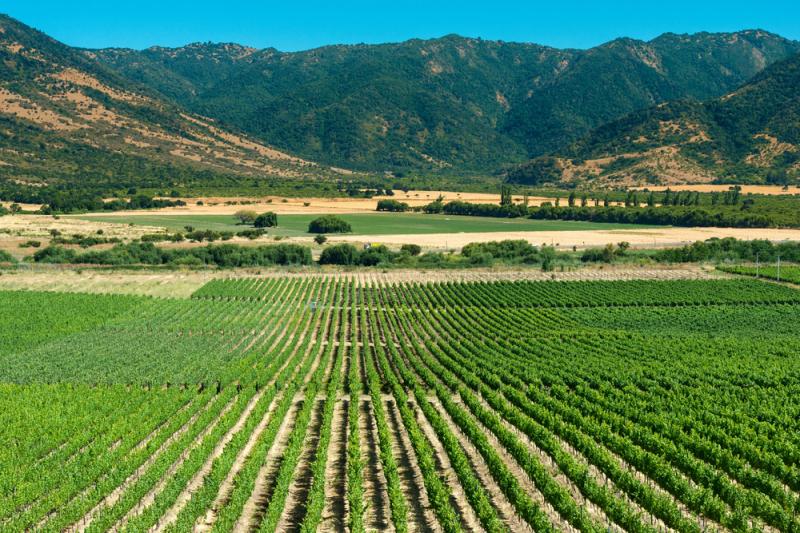
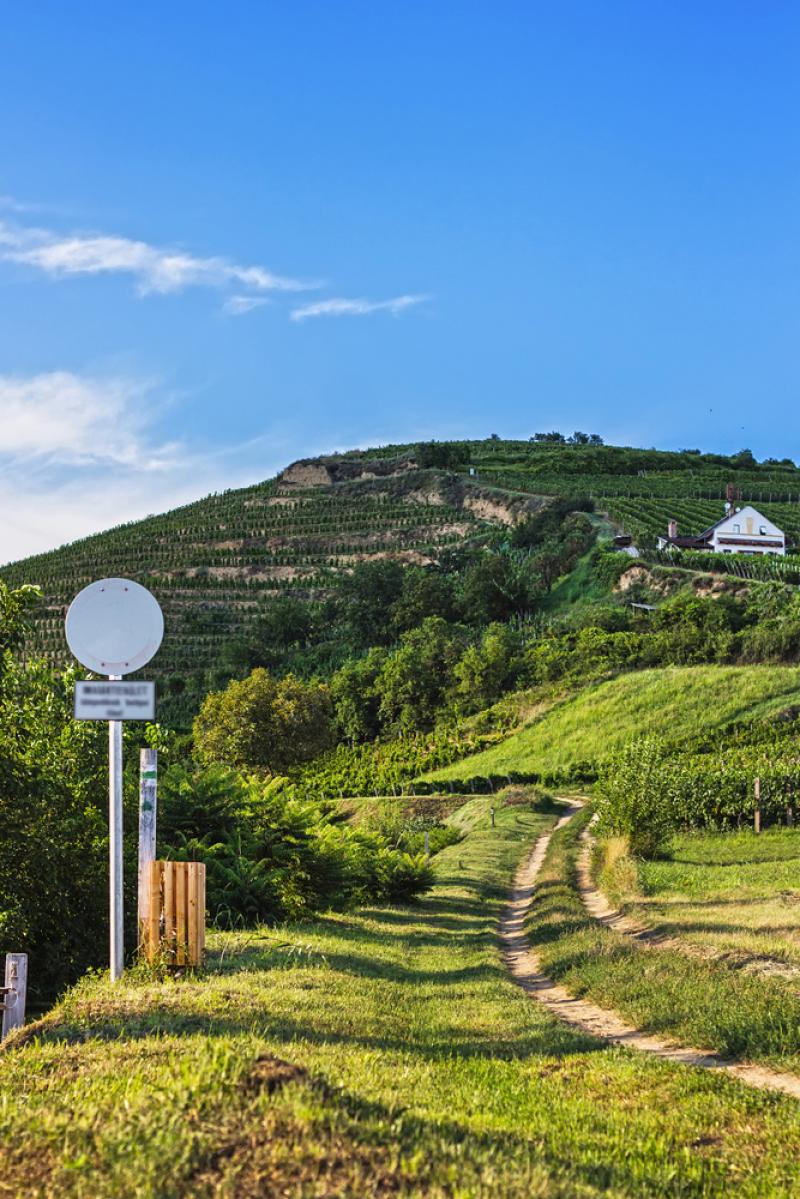
Although this wine has a large following in Germany, it is grown only very sparingly. And there is a simple reason for that. The vine is susceptible to winter frost, and when it comes to botrytis, it practically invites the spirits onto its berries. In Europe, Argentina, Chile and South Africa, things look quite different. Muscat is still grown extensively, particularly in Italy, Spain, Portugal, France, Greece and, above all, Austria. In our neighbouring country, the vineyard area is growing steadily. In poor years, the white grape varieties Riesling, Silvaner and Pinot Blanc are brought into play as blending partners for Muscat.
Gelber Muskateller in the Cellar
Outside Germany, sweet wine is much loved. High temperatures in the growing regions help the grape undergo a metamorphosis into powerful white wines, lusciously sweet Muscat wines or spicy dessert wines. And Tokaji, such an important part of Hungary's cultural heritage, also has its origins in Muscat's off-dry, medium-sweet to sweet flavour. In South Africa, it influences the flavour of Constantia.
And in Austria, the berries are mostly made into dry white wines for balmy summer evenings. Dry Gelber Muskateller has no heaviness whatsoever and, with its floral, spicy Muscat bouquet, fine acidity and lively flavour, is particularly well suited to serving as an aperitif.
Food to Accompany the Wine
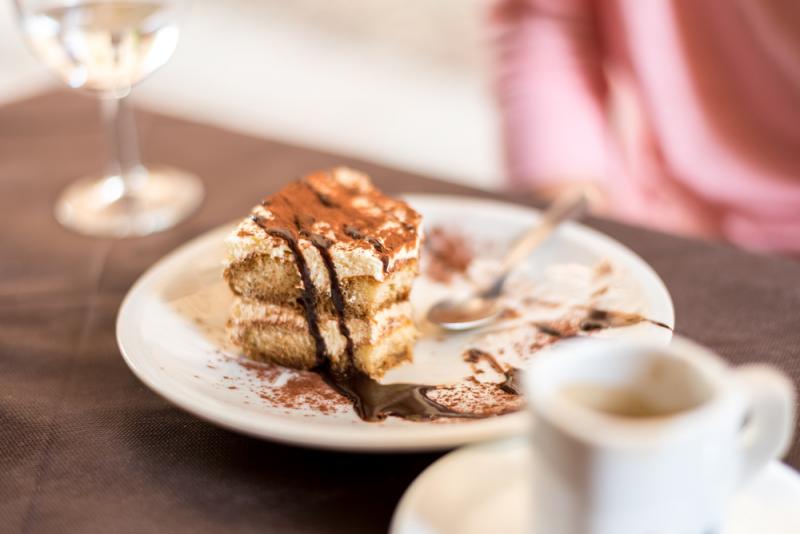
With such a wealth of variations, you cannot simply pick out one Muscat and say: this is a dish made for that wine. So here is a threefold suggestion instead. First and foremost, this wine is an aperitif through and through and should therefore be considered entirely independently of food. Here, the Muscat grape displays its full distinctive aroma, which is also why it is so enjoyable simply as a table grape. For dry, off-dry or even lusciously sweet white wines, lighter dishes such as fish and seafood are recommended as food pairings, or, for sweeter styles, a truly salty dish. These white wines are, of course, also suited to thoroughly sweet dishes such as tiramisu, panna cotta or cakes of every description. For the sweeter the white wines, the more impressive the overall flavour experience of a dessert.
You Can Also Eat These Foods with Gelber Muskateller
Die Weinpost