Wine encyclopedia
Kerner as a Base Wine
A South Tyrolean father (Trollinger), a German mother (Riesling), and a poet's name. With pear, raisin, honey, currant and apricot in its flavour spectrum, this really is one of the most down-to-earth white wines around. The fact that it is increasingly used less as a wine and more as a base for sparkling wine probably has to do with the boom of the 1990s and changing demand.
3 min read
Where this white wine comes from
This grape variety has a famous father. August Herold, the discoverer of the Heroldsrebe, also had a hand in breeding this one. While working at the Lauffen am Neckar branch of the State Teaching and Research Institute for Viticulture and Fruit Growing, based in Weinsberg, Herold crossed red Trollinger with white Riesling in 1929. Forty years later, the new crossing was granted plant variety protection and was also entered in the register of varieties in 1969. Initially called White Herold in honour of its breeder, the grape variety was later renamed Kerner after the Swabian poet Justinus Kerner, who had lived in Weinsberg. Just five years later, a further development of the grape variety, a so-called mutation, was discovered. This was then christened Kernling.
Where this fresh, fruity variety is grown
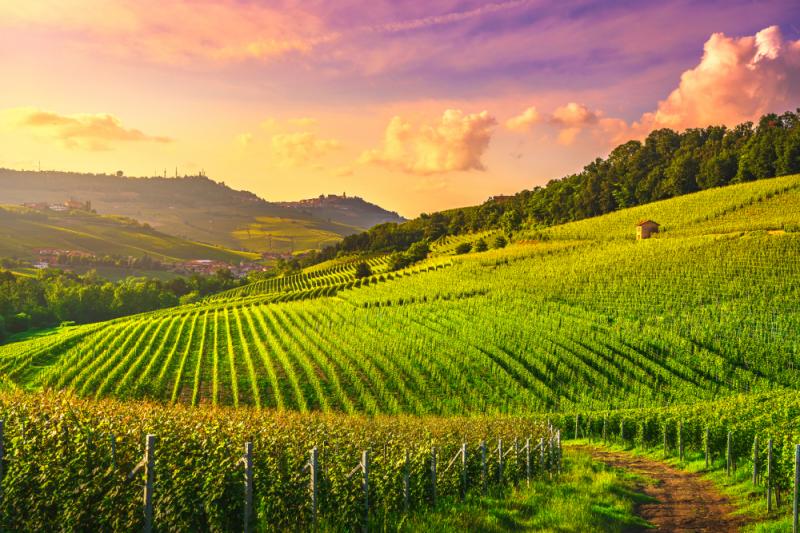
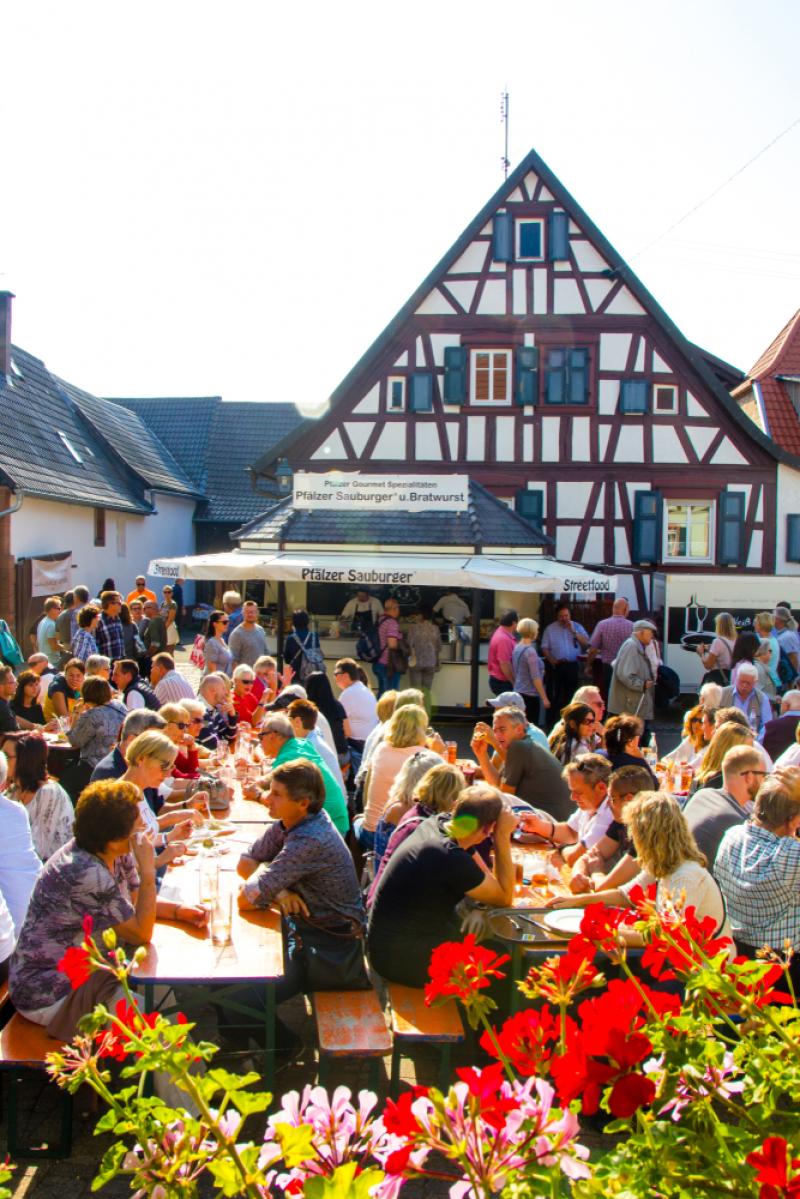
Kerner is a Palatinate lad. Nowhere else is more of it grown than on the slopes and adjoining fields of the Palatinate Forest. Around 2,400 hectares of vineyards in total, with a mixture of alluvial sand in the northeast and variegated sandstone in the south, mixed with loess loam and limestone, provide highly favourable soil conditions for growing Kerner successfully. Smaller areas in Rheinhessen also give this grape variety a chance. It is easy to see that Kerner has not become a superstar in the world of white wine, but it still takes its place on the table alongside its peers, such as Müller Thurgau, Grüner Veltliner, Pinot Grigio, Chenin Blanc or Sauvignon Blanc. In South Tyrol, too, Kerner accounts for 2 per cent, or 111 hectares, of the vineyard area.
The names of Kerner
This grape variety may not have a centuries-old history, but it still has a few additional names.
Kerner is also known as:
Herold Triumpf, Herold Weiss, Kerner Bijeli, Schiava Grossa × Riesl Renano We 25/30, Troller × Riesling Renano Wir S 25/30, Wir S 2530, Weinsberg S 25–30, Weinsberg S 2530
The characteristics of this white grape variety
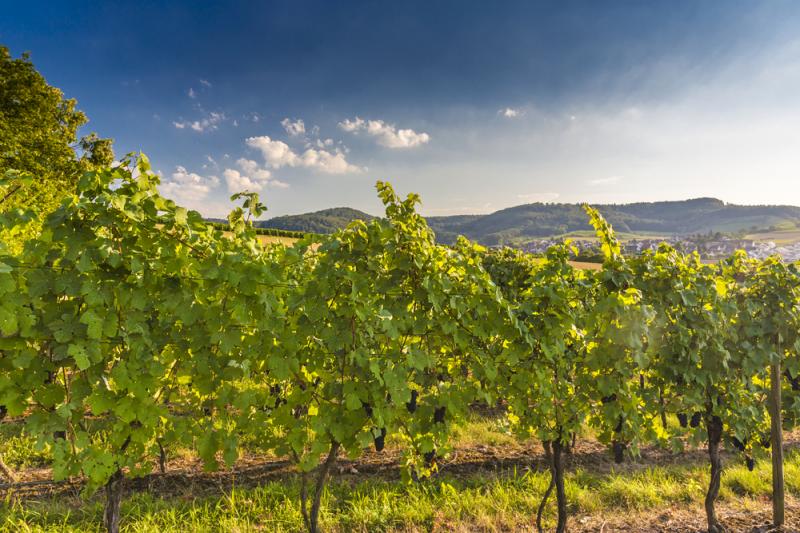
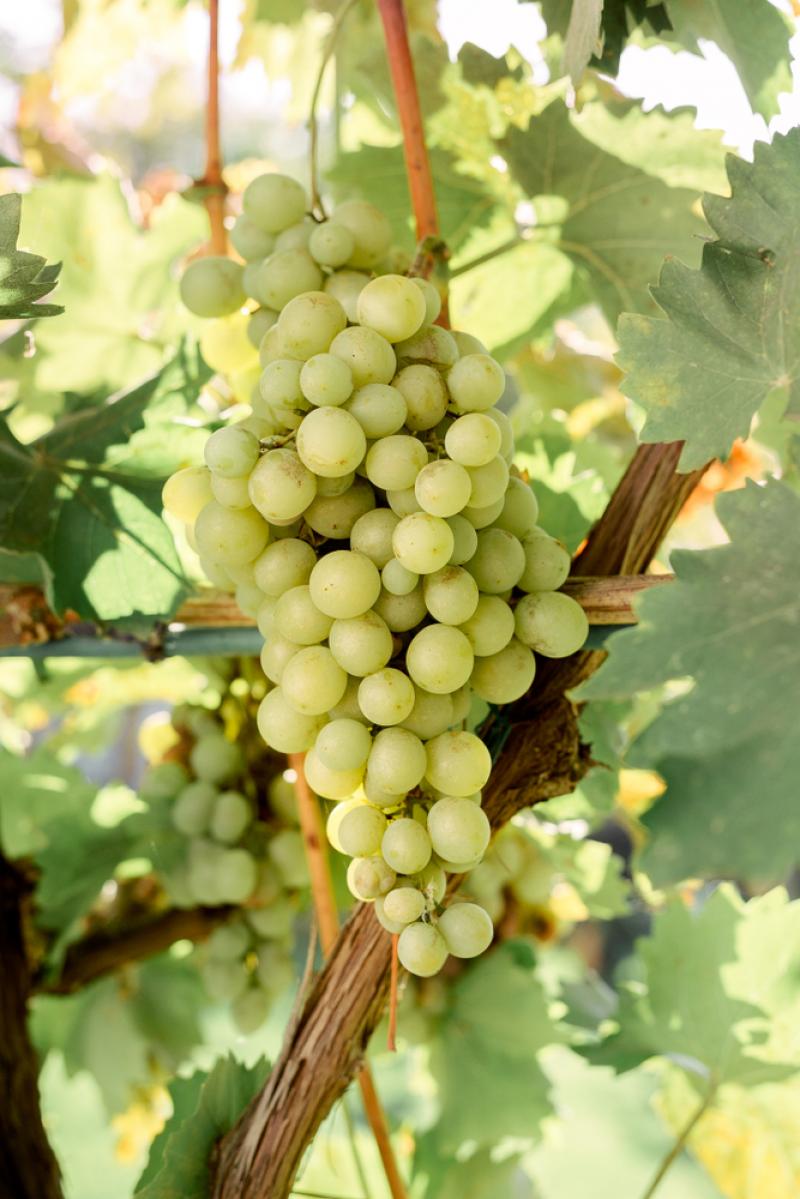
The plant's shoot tips are open and densely covered in whitish hairs. The leaves are medium-sized, five-lobed, deeply indented and toothed to serrated. The petiolar sinus of the leaves is V-shaped or sometimes even overlapping. Kerner's bunches are medium to large. The rounded, greenish berries are medium to large and protected by a thick skin. The berries have a delicate aroma with a faint varietal bouquet.
Kerner white wines closely resemble those made from Riesling, with a high sugar content, mild acidity and sometimes a slight Muscat note. Alongside Rivaner, Kerner is one of the most valuable new crossings for dry white wines. On good sites, the vine produces outstanding, recognisable white wines.
A Kerner should taste crisp and racy
The word Kerner itself already conjures up a wiry, angular fellow. And what can you say when it tastes that way too? Probably nothing, because those expectations are correct. Acidity has a major influence on the flavour here. In the glass, you will find acid-driven, delicately aromatic and fruity notes, with traces of oranges, blackcurrants, green apples and Muscat on the palate and nose. Kerner comes in dry and off-dry styles, and when made as a Spätlese, it can also resemble a sweet wine. It shimmers a distinctly pale yellow in the glass.
Order here Top wines from Hawesko
Foods to serve with Kerner
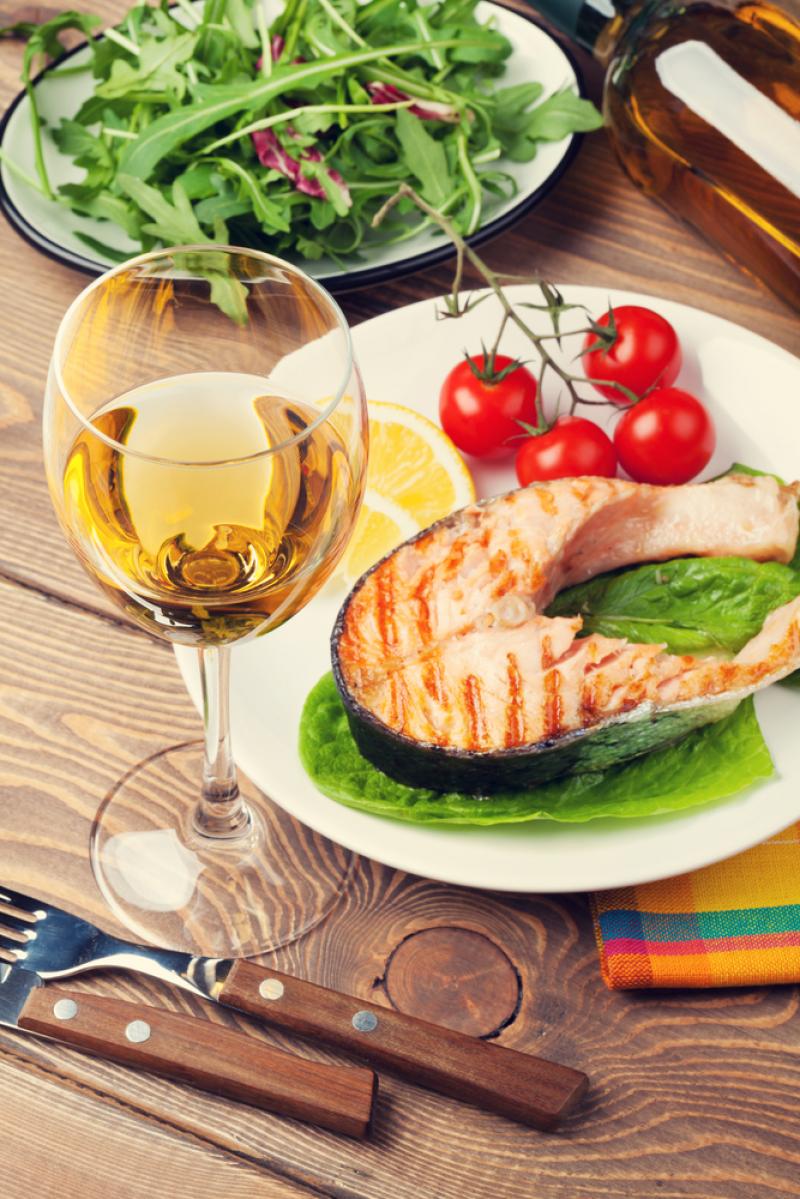
Kerner is clearly a wine for big celebrations. It is a popular choice as a juicy wine to enjoy by the glass. With its lively acidity, which likes to give the taste buds on the tongue and along its edges goosebumps, it keeps you wanting another sip. Dry or off-dry Kerner white wines go well with light, delicately flavoured starters such as fish or vegetable terrines, summer salads, fish, poultry and veal, asparagus dishes, mild semi-hard cheeses and fresh cheeses. Fruity-sweet white wines such as Kerner Spätlese paired with a fine apple cake are pure poetry.
Die Weinpost