Wine encyclopedia
Tempranillo from Spain
Tempranillo naturally has plenty of temperament. As the one and only Spanish grape variety to have achieved worldwide fame, it hides in blends all over the place. Gran Reservas, Rioja, Crianza — whatever the label from the Iberian Peninsula says, this deeply dark grape is always in there somewhere.
3 min read
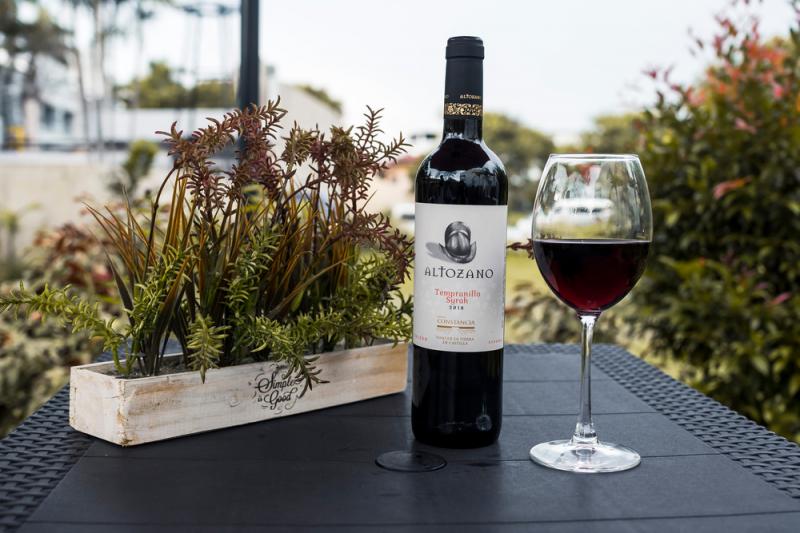
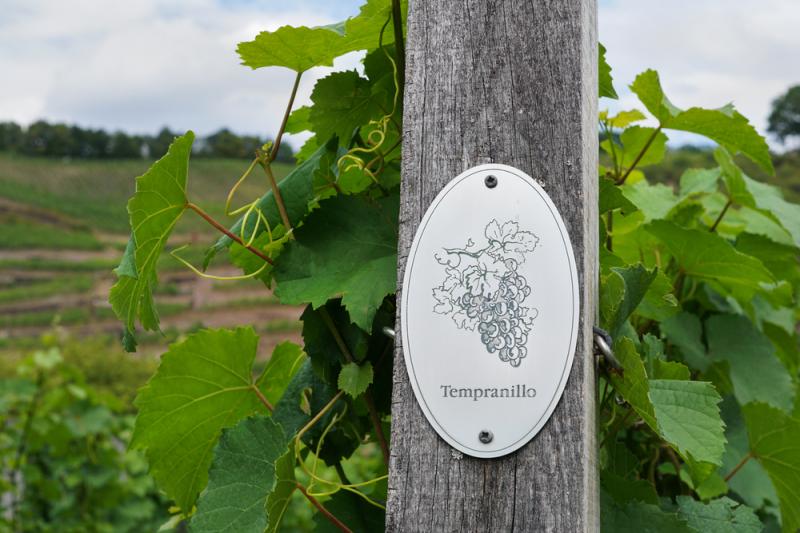
Tempranillo naturally has plenty of temperament. As the one and only Spanish grape variety to have achieved worldwide fame, it hides in blends all over the place. Gran Reservas, Rioja, Crianza — whatever the label from the Iberian Peninsula says, this deeply dark grape is always in there somewhere. In California, incidentally, it is called Valdepeñas.
The History and Origins of Tempranillo Wine
The area around Ribera del Duero (named after the Spanish river Duero, which later becomes the Duoro in Portugal) in northern Spain is said to be the birthplace of the Tempranillo grape variety. The wine was first mentioned as early as the 13th century. “Las Tempraniellas” was the name given to the grapes. This means something like “The Early Ones” or, when applied to agricultural produce, “The Early Ripeners”. Precisely because Tempranillo grapes have been ripening under the Spanish sun for so long, the variety has acquired all sorts of names in different areas. In each case, people assumed they had discovered a new wine. In Spain alone, the following variety names are actually all just local variations on this red wine.
Spanish Offshoots of Tempranillo
Albillo Negro, Aldepenas, Arauxa, Arganda, Botón de Gallo, Castellana, Cencibel, Chinchillana, Chinchillano, Chinchilyano, Escobera, Grenache de Logrono, Jacibera, Jacibiera, Jacivera, Negra, Negra de Madrid, Negra de Mesa, Piñuela, Sensibel, Tempranilla, Tempranillo de la Rioja, Tempranillo de Perralta, Tempranillo de Rioja, Tempranillo de Rioza, Tempranillo Rioja, Tempranillo Tinta, Tempranillo Tinto, Tinta de Nava, Tinta del País, Tinta del Toro, Tinta do Inacio, Tinta do País, Tinta Fina, Tinta Madrid, Tinto Aragónez, Tinto de Madrid, Tinto del País, Tinto Fino, Tinto Madrid, Tinto País, Tinto Ribiera, Ull de Llebre, Verdiell, Vid de Aranda
It was first mentioned in writing around 1513 under the old synonym Aragonés (hence the variety name Tinto Aragónez). However, this is not entirely certain. Some 300 years later, it was finally documented for certain. The biologist Simon de Rojas Clemente y Rubio mentioned the grape variety as Maiolus. Rojas Clemente y Rubio assumed that the new wine came from the areas even further north around Haro (Rioja wine) or Navarro. The many clonal variants in this region led him to that conclusion.
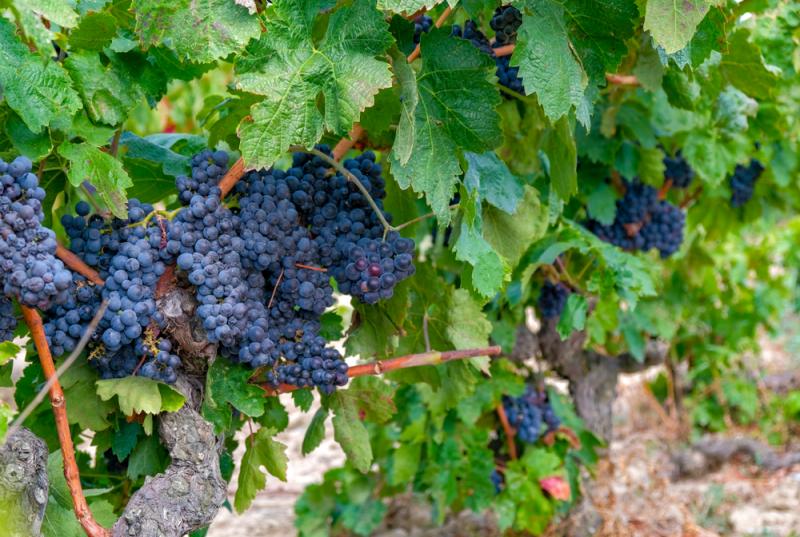
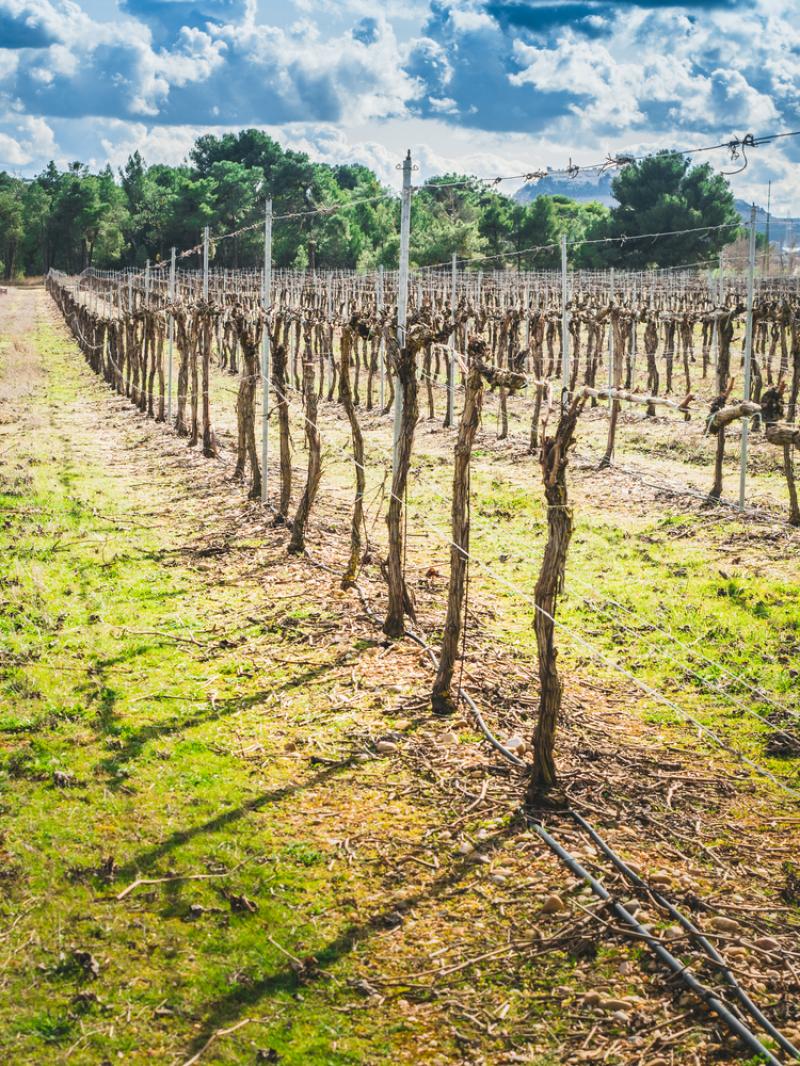
The medieval author Petrus de Crescentiis had, in fact, mentioned a variety called Maiolus some 500 years earlier. This later gave rise to theories that these were crosses between Pinot and other varieties. But all of that was wrong. Since 2012, the answer has been there in black and white. A DNA analysis revealed that this is a natural cross between the two Spanish varieties Albillo Mayor and Benedicto.
Growing Tempranillo
Although an outsider might think otherwise, Tempranillo, the base wine so often sold as Gran Reserva in Germany, is not the most widely planted grape variety. It has to concede that position to the white Airen. Nevertheless, just under 200,000 hectares are planted with it. There are also attempts to grow Tempranillo on the Canary Islands.
Wine Trip to La Mancha Including Ciudad Real
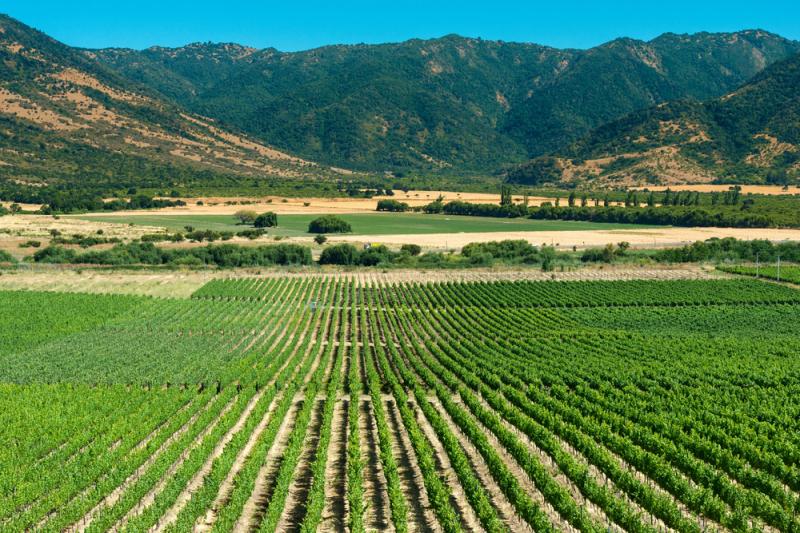
As a neighbouring country, Portugal has naturally also taken this grape variety to its heart. Here it is called Aragonez or Tinta Roriz and has graced tavern tables for centuries. Just under 20,000 hectares of vineyards are recorded, with that figure rising. Smaller plantings can also be found in Germany, France, Greece, Austria and Romania, as well as Turkey, and very small ones in Switzerland. The Spanish conquests in South America brought the deep-red grape to the continent almost as a matter of course. Tempranillo can be found mainly in Mendoza, Argentina, but also in Chile, Brazil and Mexico. With a total vineyard area of over 220,000 hectares, Tempranillo ranks third in the worldwide grape variety contest.
The Characteristics of Tempranillo
In fact, anyone who has ever had a glass of Rioja (Tempranillo in combination with Cabernet Sauvignon) probably already knows this. As one of the base grape varieties, Tempranillo contributes a deep-red, almost brown-black colour. The tannins are more than noticeable, without making the wine too bitter. Thanks to Spain's sunshine, alcohol levels range from moderate to fairly high.
On the palate, the smoky, tobacco-like character cannot be hidden. Herbs and dried fruit also come through clearly. Depending on how it has been matured, the wine can be enjoyed both very young and after many years without any noticeable loss of quality.

Die Weinpost