Wine encyclopedia
Traminer and Gewürztraminer
This white wine is quite simply a player and a sun lover. It likes to show a little sweetness and has a very elegant fragrance. It probably has to, in sophisticated South Tyrol. And somehow it is the odd one out, because Traminer and its brother Gewürztraminer always put on plenty of perfume. Aromas as far as the nose can reach. It is a wine that sails very close to the sweet side.
4 min read
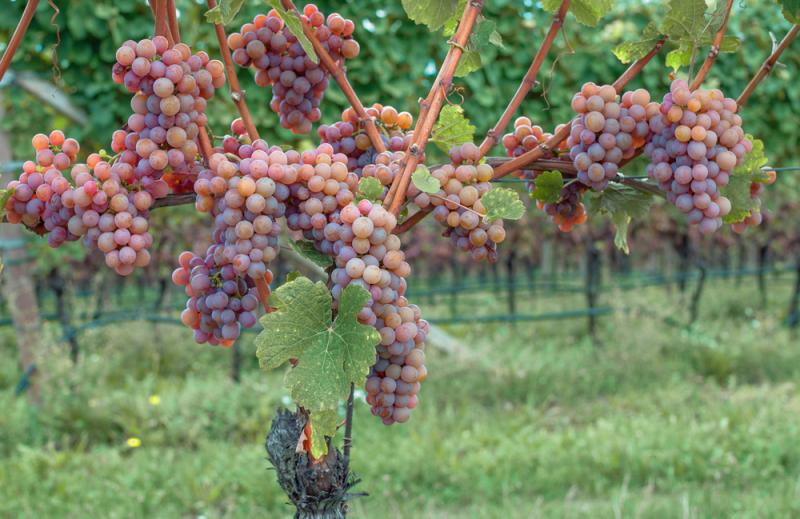
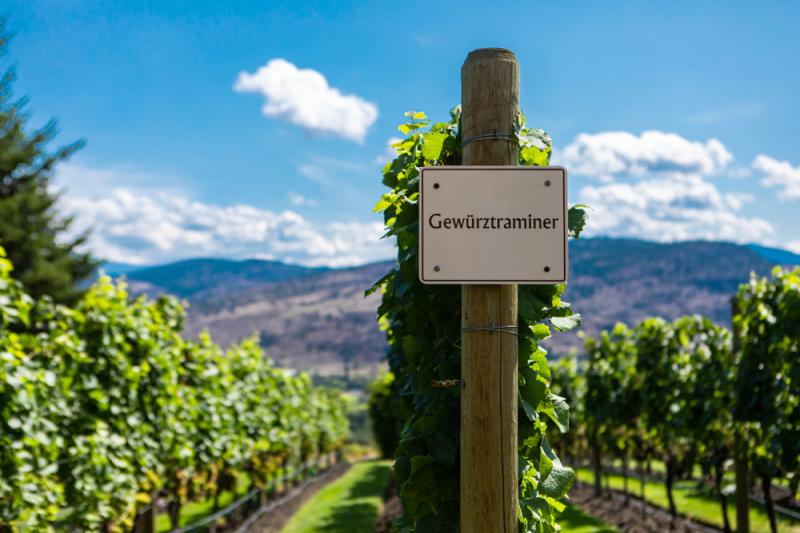
Gewürztraminer is a descendant, and distinctly more aromatic than its ancestor. Australians often make the mistake of confusing the two in their naming
The History of Traminer
This wine comes from an ancient white grape variety whose origins are disputed. The proposed birthplaces are very far apart indeed. The first trail leads to Egypt. Grape seeds dating from the time of the pharaohs have been found here. The area around the Greek city of Thessaloniki also lays claim to being its early birthplace. The plants are said to have been taken from here to Italy by ship. The third contender in the ring is South Tyrol. The name is said to derive from the South Tyrolean village of Tramin.
The Romans did the rest as they advanced towards the Mosel, the Rhine and the Palatinate. What may be the oldest vineyard is in Rhodt in the Rhenish Palatinate. The site was placed under conservation protection because its roughly 300 vines were estimated to be more than 300 years old. The Traminer grape variety can be found all over the world, with its heartlands in France, Italy and Germany.
The Americans and the Ancient Grape Variety
The grape variety is not so widespread in the USA. The reason is very simple: Traminer is demanding when it comes to sites, soil and climate, and does not reliably deliver high yields. And American grape growers and winemakers simply prefer that. Other grape varieties have therefore received more support, varieties that appeal more readily to the average Pinot Grigio drinker and fans of off-dry and medium-sweet wines. For years, this has also affected vineyard plantings, which tend to favour other dry white wines, leaving Traminer with fewer and fewer opportunities.
The Father, Grandfather and Uncle of All Grape Varieties
The Traminer vine originated as a hybrid of wild vines (Vitis vinifera silvestris). Imagine if this grape variety did not exist. An absolute wine catastrophe would have befallen the earth. Pinot Noir, Silvaner, Grüner Veltliner and Sauvignon Blanc are all said to descend from this variety. Riesling, Cabernet Sauvignon and other Pinot variants also feature in the family tree. Alongside Heunisch, Traminer is quite simply an indispensable ancestor and source of genetic material.
Red, White, Yellow and Gewürztraminer
No one really knows for sure whether Traminer and Gewürztraminer are actually related. Some experts say that calling the variation “Red Traminer” would have been a step in the right direction. Gewürztraminer has reddish berry skins which, if removed during pressing, almost give the impression of a Blanc de Noirs. This is difficult to understand biologically, however, since Gewürztraminer has red grape skins but is a white wine variety.
Another story claims that after the Second World War, extensive cloning took place and the Gewürztraminer grape variety was named for its aroma. The less exciting cultivar was consequently allowed to bear the shorter name without “Gewürz”, meaning “spice”.
The homeland of Champagne, however, insists on precision. Three forms are distinguished: White Traminer, or “Savagnin blanc”, which became known through the Jura's Vin jaune.
Wine Trip to France – Jura
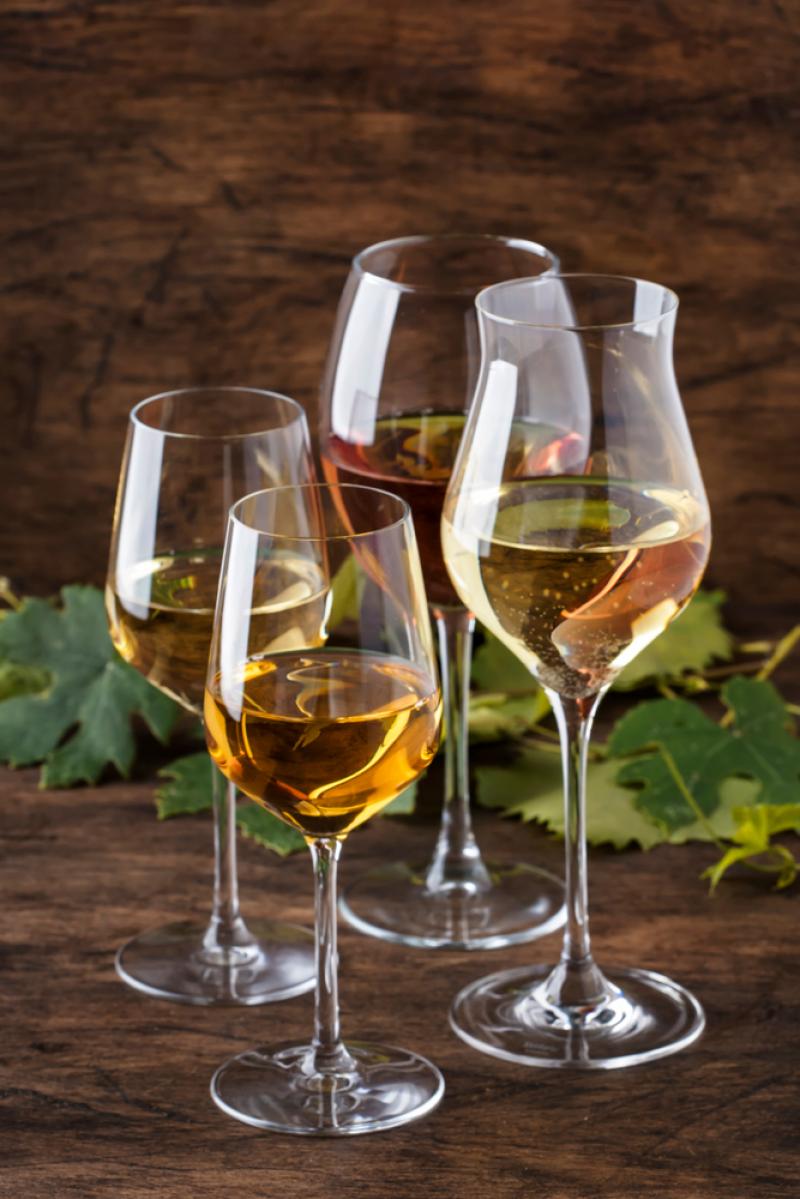
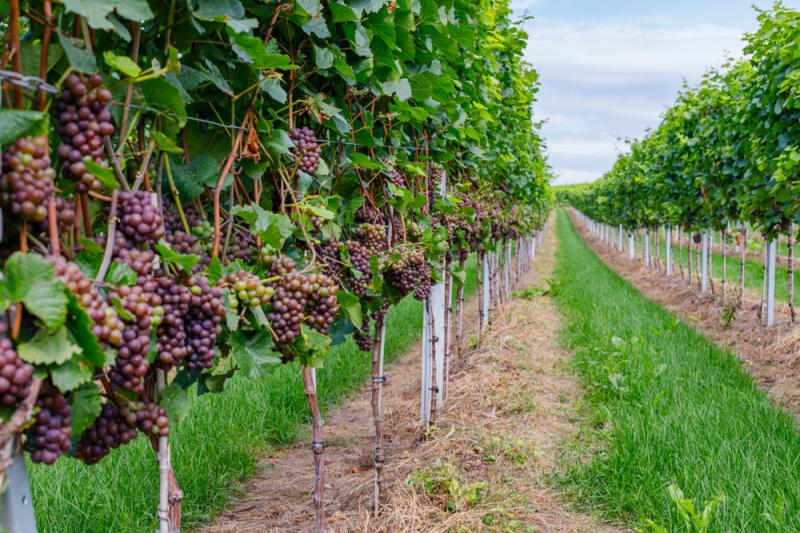
By comparison, this is almost entirely neutral on the nose. Red Traminer is known simply as Traminer; the usual French synonym is “Savagnin rosé”. In Alsace, this wine is known quite simply by its alternative name, Klevner, also spelt Clevner. The third variant is Gewürztraminer wines. Our neighbours call these “Savagnin rosé aromatique”, or Yellow Traminer. , in France this is also called “Savagnin rosé aromatique”. The two are distinguished by the powerful aromatic punch that Yellow Traminer packs. Whether made dry, off-dry or in another style, it is also wonderfully easy to drink thanks to its low acidity and the bouquet it positively radiates. Incidentally, the wine is also suited to nobly sweet Auslese wines like almost no other.
Traminer as a Worldwide Grape Variety
Throughout its history, the Traminer vine has seen the whole world. And people have taken it to their hearts, usually to such an extent that it has promptly acquired a local name wherever it goes. In Romania it is called Rusa, in Hungary Tramini and in Slovenia Traminac. In Switzerland it is called Païen, and in Germany Klävner, Klevner or Clevner. But how can one and the same wine acquire so many family names? Quite simply! It comes down to its willingness to reproduce in every possible direction, always passing on a little change along the way. Traminer simply likes to mutate. And before you know it, a whole host of variants emerges which, strictly speaking, actually constitute a single grape variety.
Traminer wines range from greenish to golden yellow, while the red-berried variants may also have a pink tinge. All have a pronounced spicy aroma and scents of roses, often with a slightly bitter note. Gewürztraminer is the most intense, and also casts its spell over many dessert lovers as a sweet or nobly sweet white wine.. All are high in alcohol and full-bodied. No wonder these qualities have helped it spread around the world. Today, Traminer can also be found in Argentina and New Zealand.
Die Weinpost