Wine encyclopedia
Zinfandel as an American Red Wine
Here comes Croatia’s biggest export hit of all. Crljenak—the black one—is wrongly referred to as Primitivo in California and Puglia. It is probably the most widely consumed aromatic wine, ideal for vanilla lovers who also like a little raspberry and raisin mixed into their drink.
2 min read
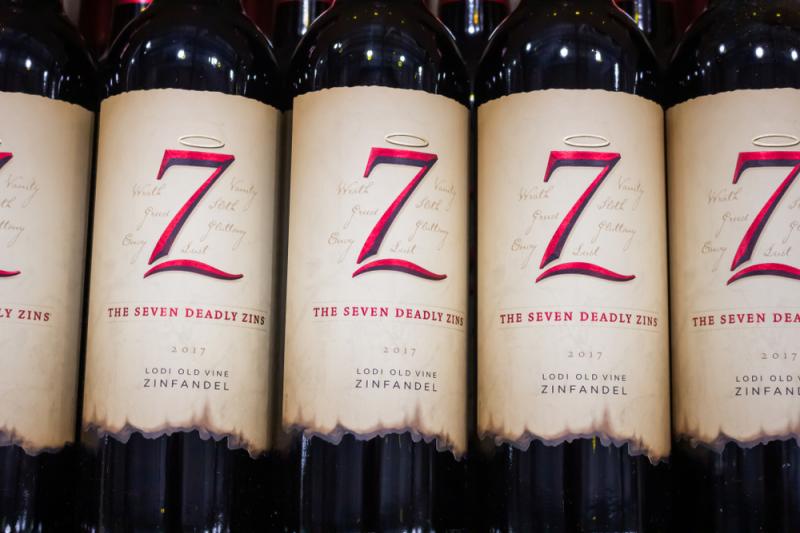
America—you have pulled out all the stops here to appeal to the taste buds. Rather hard to tolerate for purists; for others, exactly the kind of red wine that delivers a velvety, full-bodied experience.
The History of Zinfandel
At the beginning of the 19th century, winegrowing expanded in the young United States. More people demanded more wine. It had to be easy to drink to reach the masses, and growing it could not, of course, be overly demanding. A classic table grape was needed. And so, around 1825, vine nursery owner George Gibbs imported the Zierfandler grape variety from Gumpoldskirchen into the USA. The difficult-to-pronounce name probably soon dissolved amid the prevailing babel of languages spoken by immigrants from all over the world, and what emerged was simply Zinfandel. Another source claims that Zierfandel did not come from Gumpoldskirchen at all, but from Hungary. Colonel Agoston Haraszthy is credited with bringing the new wine across.
The actual grape variety, however, comes from neither Hungary nor Germany. It is Crljenak kaštelanski, which originates in the Croatian-Hungarian border region. The grape variety is hardy and was grown under the Dalmatian sun. Its name comes from the Croatian dialect of Međimurje and translates as “the reddish one”. Incidentally, Italy’s Primitivo is actually exactly the same as Zinfandel. For this reason, some Italian winegrowers market part of their wine under the better-known name Zinfandel, hoping to boost sales on the global market.
The variety thrives in shallow soils. The grape variety is highly susceptible to disease. Grey mould rot in particular is a recurring problem, and it is often prone to severe coulure. Uneven yields are the result.
Zinfandel as an Important American Grape Variety
In the USA, Zinfandel enjoys an excellent reputation thanks to its soft, full flavour. For over 100 years, this grape variety has ranked among the top five American wines. In the 1990s, this red wine even had the largest area under vine, with over 20,000 hectares. It has since had to concede the lead to Cabernet Sauvignon again, but remains in second place. This grape variety accounts for eleven per cent of winegrowing in the USA
The Characteristics of the Grape Variety
Zinfandel’s shoot tip is open, densely covered in woolly hairs and slightly reddish at the tips. The yellowish young leaves have orange to bronze-coloured patches and are shiny, with only a cobweb-like covering of hairs. The larger leaves are usually five-lobed with pronounced, deep indentations. The petiolar sinus is open and lyre-shaped. The teeth along the leaf margins are closely spaced compared with those of other grape varieties. In autumn, only the tips of the leaf teeth turn reddish.
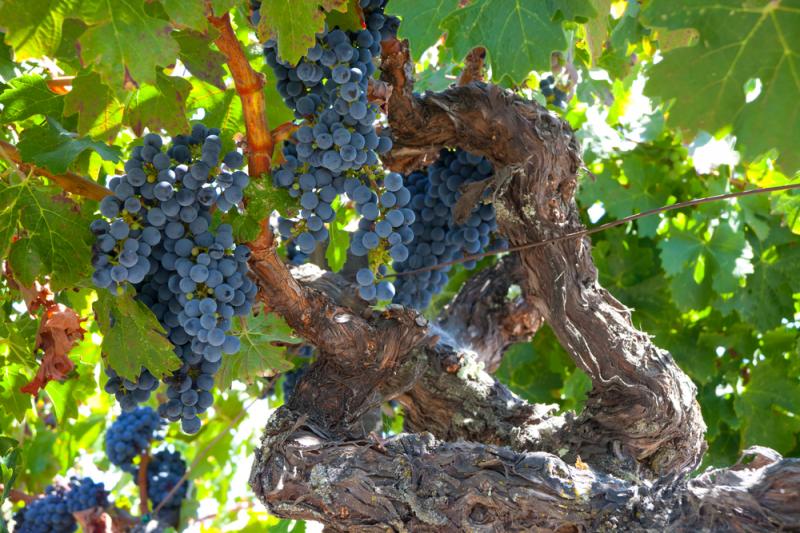
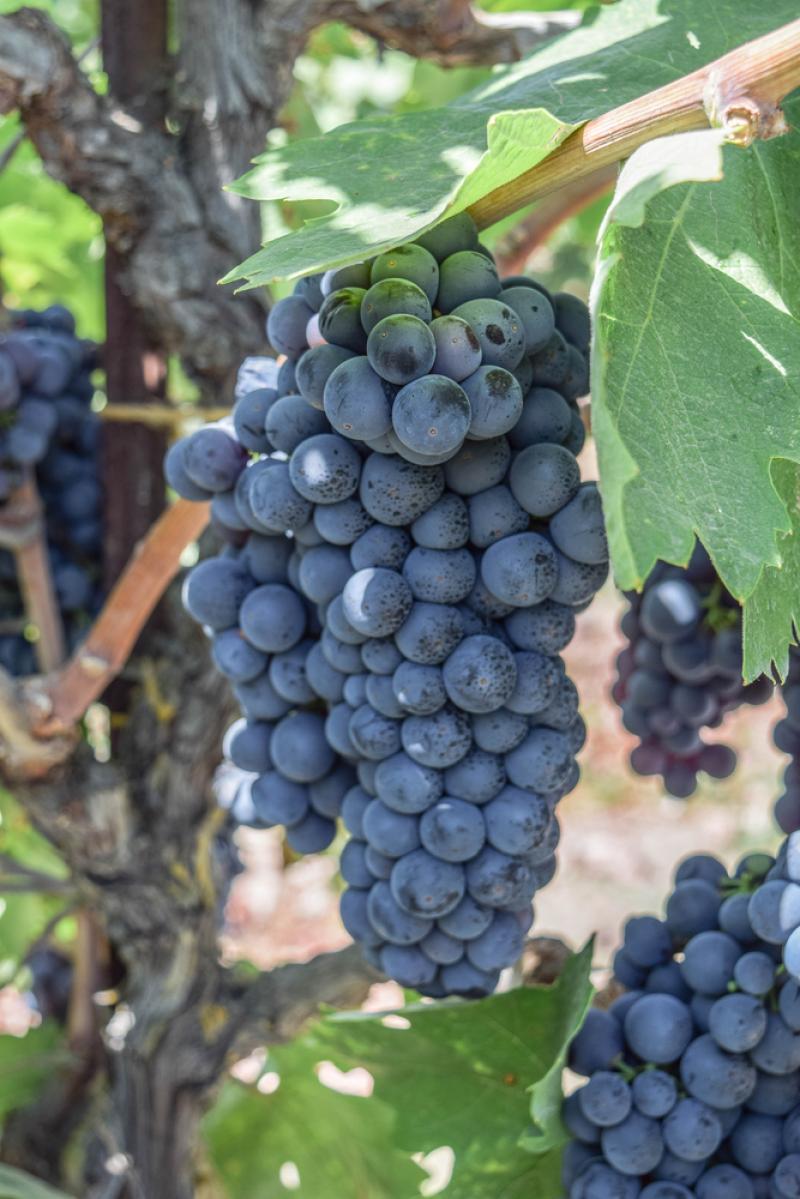
The berries are medium-sized to large and have a blue-black hue. The berry skin is not particularly thick.
Ripening Problems with Zinfandel
Zinfandel does not take what feels like an eternity to ripen. It does, however, have a problem that can only be addressed through manual work by the winegrower. Among the well-ripened grapes, there are often still green berries that actually need more time. If, on the other hand, it is too hot and the winegrower waits too long, as has been common in California for some years, a few per cent become overripe, leading to a substantial loss of quality.
Die Weinpost