Wine encyclopedia
Pinot Gris, Grauburgunder and Pinot Grigio
The "grey" grape has undergone a spectacular transformation and is a rising star. Once made in a sweet style as Ruländer, Grauburgunder is a strictly dry white wine with a restrained character. Alongside the usual aromas of German white wines, there are notes of coconut and pineapple, with hazelnut sometimes coming through a little too.
5 min read
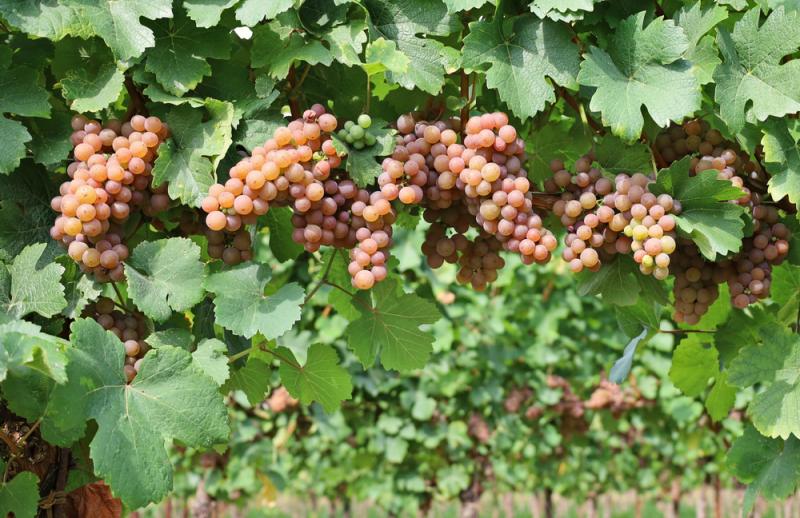
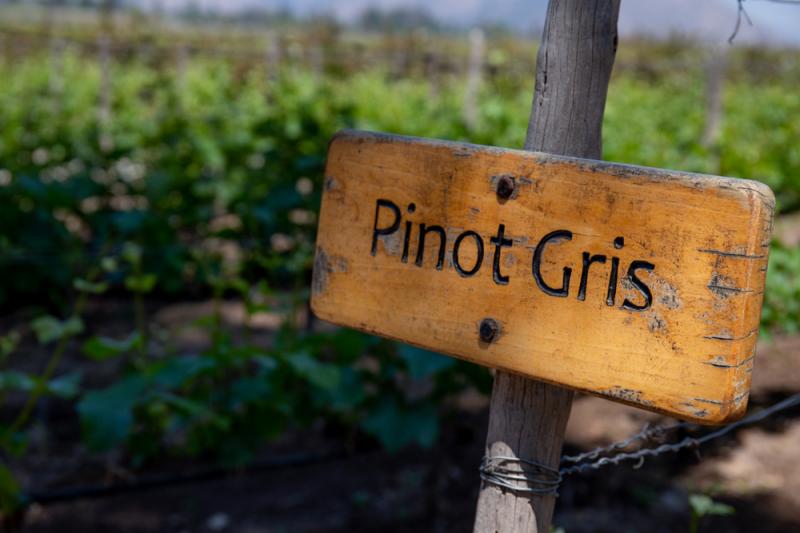
Grauburgunder can save any evening: made dry, it is the number one summer wine, while harvested as a Spätlese and made into a sweet white wine, it is a winter companion. Pinot Gris, Grauburgunder and Pinot Grigio.
The history of the Grauburgunder grape variety
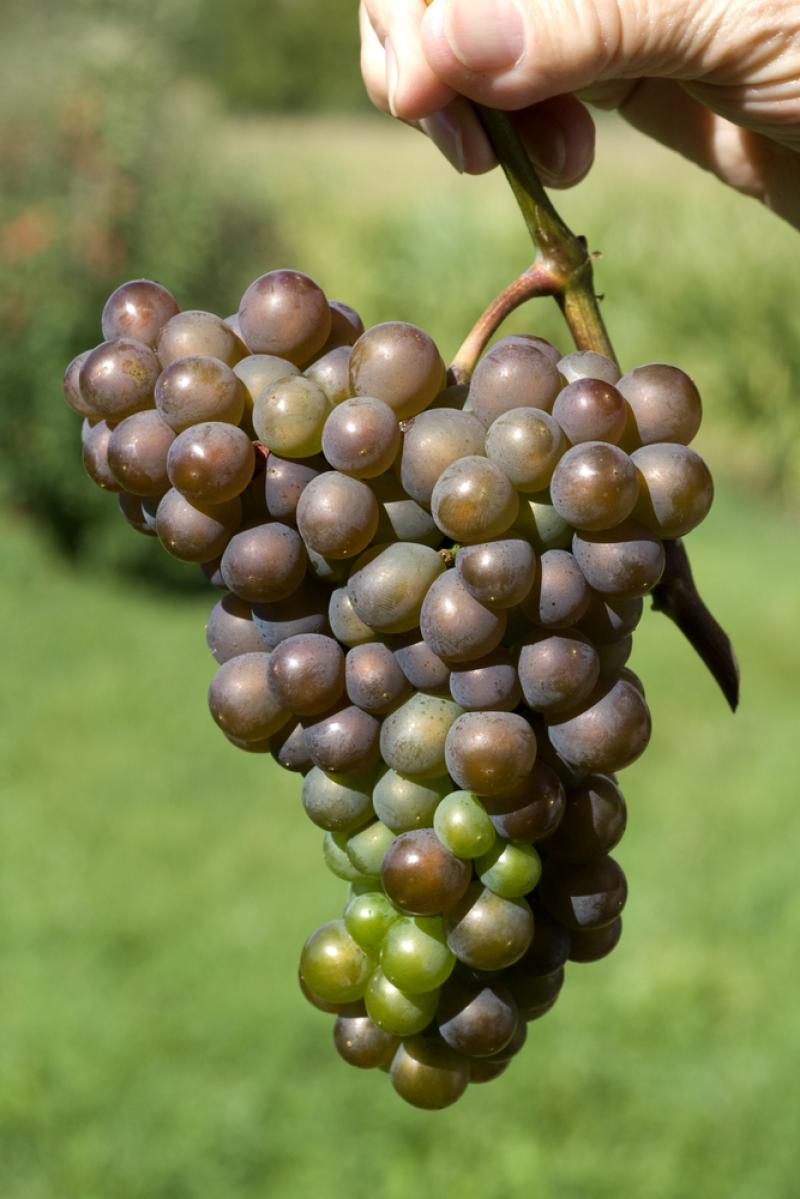
Pinot Gris originated from a red grape variety, Pinot Noir, most likely as a mutation. Pinot also features in this variety's name and is a clear indicator of the shape of its fruit. For Pin means pine in French, and the shape is reminiscent of a cone. Since the variety is a mutation of another Pinot vine, it presumably comes from Burgundy. Charles IV brought the variety to Hungary in 1375. In 1568, Lazarus von Schwendi brought it from there to Alsace and the Kaiserstuhl.
The vine came to Austria with Cistercian monks from Burgundy in the 13th or 14th century. This is also why Grauburgunder was known for a time as Grauer Mönch, or Grey Monk. The high quality of the wines evidently won over winegrowers as early as the 19th century; they proudly gave the variety different regional names, which have since disappeared. “Ruländer” is the name under which the grape variety is classified, while “Grauer Burgunder” and “Grauburgunder” are the permitted synonyms for German wines made from this variety.
Pinot or Grauer Burgunder
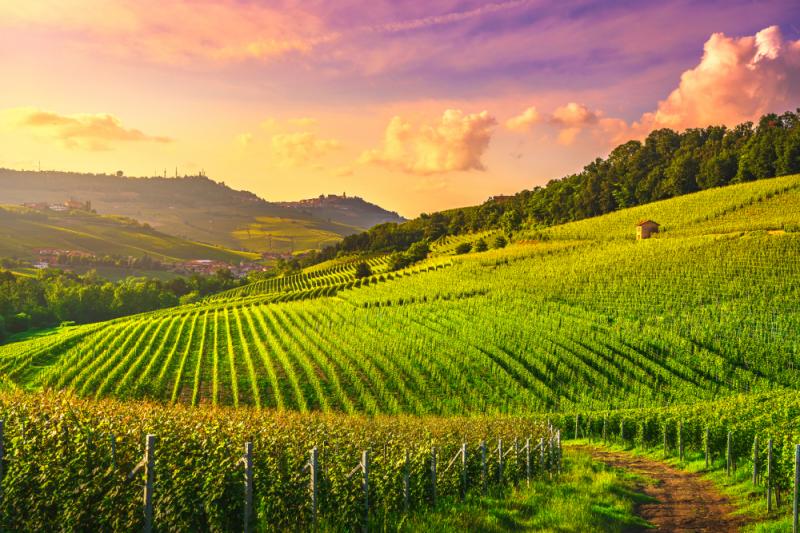
Pinot Grigio, with its fruity freshness, can be found all over the world. An evening on the terrace, the valley opens up and the eye can wander far into the distance. This uncomplicated all-rounder is perfectly suited to the occasion. Nor does buying it pose a challenge, as a decent Pinot Grigio can almost always be found. The winegrowing regions of Friuli, Veneto, South Tyrol and Trentino in northern Italy produce DOC Pinot Grigio delle Venezie on 25,000 hectares. These are mostly pale white wines that are easy to drink thanks to their low acidity.
Grauer Burgunder, Grauburgunder or Ruländer are the names given to this popular grape variety in Germany. Here, too, it has fought for its place alongside, or often even ahead of, the world's number one grape variety, Chardonnay. It can now be found in every German winegrowing region. Whether in Baden, Rheinhessen or the Palatinate, Grauburgunder is a must. It is now made in a wide variety of styles. It is usually dry and has a comparatively high alcohol content. Through extended skin contact, for example, and ageing in wooden barrels, the wines can range in colour from rich yellow and reddish gold to light reddish hues. The wine's residual sweetness is by no means fixed either. Grauburgunder is made in styles ranging from dry and off-dry to lusciously sweet, with the sweet version known as Ruländer. Grapes with a distinct proportion of botrytis and the flavour of noble rot are used for this. Ruländer traces its origins to Speyer in 1711 and owes its name to its discoverer at the time, Johann Ruland.
The many names of Grauburgunder
Since this grape variety also has a history stretching back centuries, countless winegrowers in Italy and around the world have given it a name of their own. Here is a whole mountain of other names for one and the same wine. Have fun memorising them.
Grauburgunder, Pinot Gris or Pinot Grigio is also called:
Affume, Anche Cendree, Arnaison Gris, Arnoison Gris, Aserat, Auvergnas Gris, Auvergne Gris, Auvernas Gris, Auvernat Gris, Auvernet, Auxerrat, Auxerrois Gris, Auxoi, Auxois, Auzerois Gris, Baratszinszoeloe, Bayonner, Beurot, Biliboner, Blauer Riesling, Blauer Traminer, Borgogna Grigio, Boz Pino, Brombesta, Brot, Bureau, Burgundac Sivi, Burgunder, Burgunder Grauer, Burgunder Roter, Burgundi Szuerke, Burgundske Sede, Burgundske Sive, Burot, Casper, Champagner, Claevner Roth, Cordelier Gris, Cordonnier Gris, Crvena Klevanjka, Druher, Drusen, Drusent, Druser, Edelclaevner, Edelklevner, Enfume, Enfume Griset, Faultraube, Fauvet, Friset, Fromenteau, Fromenteau Gris, Fromentot, Grau Clevner, Grau Malvasir, Grauburgunder, Grauclevner, Graue Burgunder, Graue Savoyertraube, Grauer Burgunder, Grauer Claevner, Grauer Clevner, Grauer Klevner, Grauer Moench, Grauer Riesling, Grauer Rulaender, Grauer Tokayer, Grauklaeber, Grauklaevner, Grauklevner, Gris Commun, Gris Cordelier, Gris de Dornot, Griset, Hamsas Szollo, Hamuszoeloe, Hamvas Szoeloe, Kapuziner Kutten, Kapuzinerkutten, Klebroth, Kleiner Traminer, Kleingrau, Klevanjka, Klevanjka Crvena, Klevner Rot, Levrant, Levraut, Malvasier Grau, Malvoisie, Malvoisien, Mauseri, Mauserl, Mausfarbe, Moench Grau, Molvoisie Valais, Moreote Gris, Moreote Gris Rouge, Murys, Murysak, Muscade, Muscadet, Musler, Noirin Gris, Ouche Cendree, Overnya Gri, Petit Gris, Pineau Cendre, Pineau Cendree, Pineau Gris, Pineau Rose, Pino Cernyi, Pino Gree, Pino Grey, Pino Gri, Pino Qri, Pino Servj, Pino Seryi, Pinor Gri, Pinot, Pinot Beurot, Pinot Buerot, Pinot Burot, Pinot Cendre, Pinot Franc Gris, Pinot Griccio, Pinot Griggio, Pinot Grigio, Pinot Seryi, Pinot Sivi, Piros Kisburgundi, Pirosburgundi, Pyzhik, Rajik, Rauchler, Raulaender, Raulander, Rebfahl, Rehfahl, Rehfal, Reilander, Rhein Traube, Rheingau, Rheingrau, Rheintraube, Riesling Grau, Rijick, Rijik, Rohlander, Rolander, Rollander, Roloender, Ronci Sedive, Roter Burgunder, Roter Clevner, Roter Clewner, Roter Klaevner, Roter Klevner, Rothe Savoyertaube, Rothe Savoyertraube, Rother Claevner, Rother Clevner, Rother Drusen, Rother Klaevener, Rother Klaevner, Rother Klevner, Rother Rulander, Rothfraenkisch, Rouci Sedive, Ruhlaender, Ruhlandi, Rulaender, Rulaender Sivi, Ruland, Rulanda, Rulandac Sivi, Rulandec, Rulander, Rulander Grauer, Rulander Gray, Rulander Grigio, Rulandske, Rulandske Sede, Rulendac, Rulendac Sivi, Rulender, Ryjik, Ryzhik, Ryzik, Sarfeher Szoeloe, Sarfejerszoeloe, Schieler, Sivi Pinot, Skuerkebarat, Speierer, Speirer, Speyeren, Speyerer, Speyrer, Spinavy Hrozen, Spinovy Hrozen, Stahler, Strahler, Syurke Barat, Szuerke Burgundi, Szuerke Kisburgundi, Szuerke Klevner, Szuerke Rulandi, Szuerkebarat, Szurkebarat, Tockay Gris, Tockayer, Tokai, Tokai Gris, Tokay, Tokay d’Alsace, Tokay de Alsace, Tokay di Alsace, Tokayer, Tokayer Grauer, Tromenteau Gris, Valais, Viliboner, Villiboner, Vinum Bonum, Wiliboner, Zeleznak
Characteristics of the grape variety
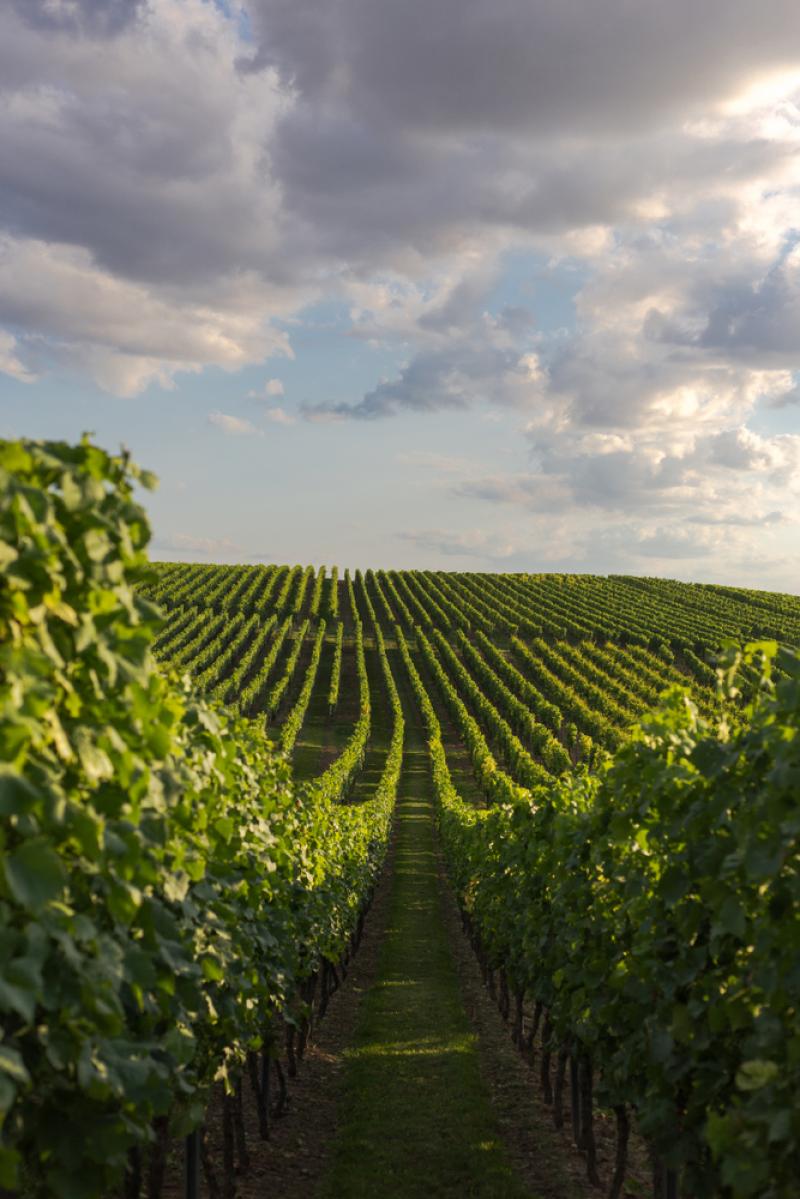
Pinot Gris is a grape variety that requires intensive care, as a doctor might put it. This is down to many small details that demand a delicate touch from the winegrower. It is a rather difficult variety to cultivate. Grauburgunder buds relatively early to mid-early, making it highly sensitive to possible late frosts, which can occur well into May. Its thin-skinned berries require very gentle handling, as damage to the skins would otherwise release their juice too early. In cool winegrowing areas, the vine should only be planted on south-facing sites with warmer, calcareous soils. It is susceptible to powdery mildew and downy mildew. It is also prone to chlorosis, grey rot and viral infections.
The difference between Grauburgunder and Weissburgunder
Essentially, the two grape varieties belong to the same family: the Pinot family. The natural difference lies in the berry skins, as Grauburgunder is a mutation of Blauburgunder, or Pinot Noir, and therefore has darker skins. Otherwise, the two plants are relatively similar at first glance. On closer inspection, the winemaking tips the balance.
Weissburgunder is normally the more restrained of the two wines. It places the emphasis on being finer, leaner and more elegant, with subtle aromas. Weissburgunder needs a connoisseur who appreciates detail as its friend. Adventurous wine drinkers seeking quirks and edges are more likely to find what they are looking for in Grauburgunder. It is a weighty, powerful wine with the full Pinot bouquet. If you prefer bold aromas, you will find Weissburgunder boring.
Die Weinpost