Wine encyclopedia
Pinot Noir or Spätburgunder
In terms of lineage, it belongs to the Pinot family, with the vine making Pinot Noir a scion of the Müllers. Germany’s most widely planted red grape variety is a true southern German, originally brought from Burgundy to the Ahr. It is traditionally served with game. Older varieties have delicate acidity, while modern styles are grown for a deep red colour and more tannin.
8 min read
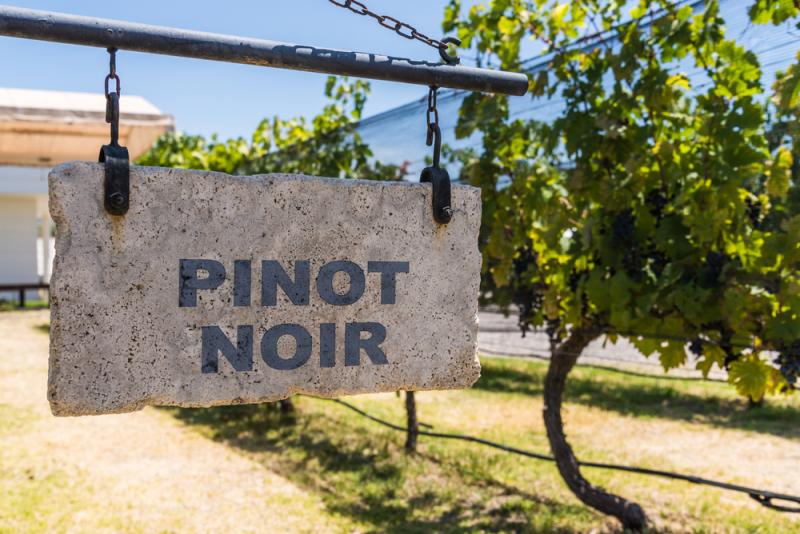
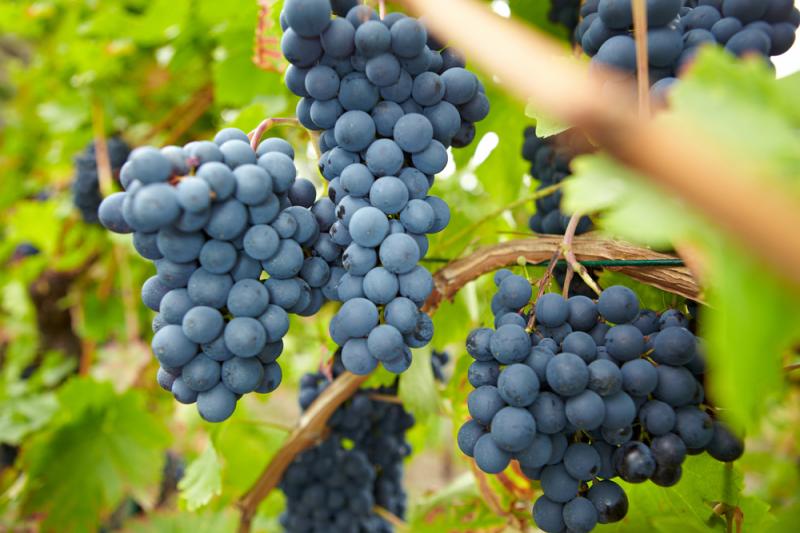
First and foremost, this is a grape variety with blue-black berries in compact bunches. That is how the dictionary defines the term Spätburgunder. High expectations are guaranteed for a global superstar whose only real rivals on German and French red wine shelves are usually Cabernet Sauvignon and Merlot.
The history of Pinot Noir
France is, of course, once again the starting point for this grape variety’s history. The heart of global winegrowing has produced not only Pinot Noir wines, but also its relatives Pinot Blanc and/or Pinot Gris. Spätburgunder, or Pinot Noir, belongs to the large and important Pinot family. This family is considered one of the world’s noblest vine families and was most likely the first to be taken from the wild into cultivation. In 884, Charles the Fat brought the variety from Burgundy in France to Lake Constance. It was planted in the Rheingau in the 13th century, and 300 years later its journey continued south to the Palatinate. In parts of Baden, Blauer Burgunder or Spätburgunder is still known as “Klevner”, although this can be confusing. Gewürztraminer, Pinot Blanc and Red Traminer are also known by this name in certain villages.
Everything covered by the name Klevner/Clevner
Growing Spätburgunder
The variety normally presents no major problems in the vineyard. Care is needed where there is excessive moisture, as clones with tightly packed berries are prone to early botrytis, or grey rot. If this happens as early as midsummer, very compact bunches will need to be harvested early. If noble rot appears later, it is a real blessing for the winegrower, who can then bring truly high-quality Weißherbst Auslese wines into the cellar.
Spätburgunder also seems poorly equipped to withstand fanleaf disease, which causes the vine to die back bit by bit. A site for Spätburgunder should provide consistent temperatures, moderate moisture and a long ripening period. Quality-focused yields in Germany are around 65 hectolitres per hectare. This grape variety grows best on calcareous soils.
Characteristics of Spätburgunder
The plant’s shoot tip is open, white to pale green and very densely covered in hairs. Young leaves begin to lose their hairs as they mature, and the shoots grow with moderate vigour. The petiole sinus has an open V shape, and the leaves have fine teeth and resemble a pentagon. The berries are oval and very dark blue, shading into purple.
The importance of Pinot Noir
As Pinot Noir, Spätburgunder or Blauer Burgunder has enjoyed a real surge in popularity among consumers, the area planted with it continues to grow. In Germany alone, around 12,000 hectares are planted. This represents one tenth of our country’s total vineyard area. The largest share of the ruby-red grapes grows in Baden. This jammy red wine, with its cherry and blackberry flavours, is particularly at home around the Kaiserstuhl. But Spätburgunder is also a “Classic” grape variety in the Palatinate, Rheinhessen, Württemberg, the Rheingau and the historically important Ahr region. Only the Mosel began small-scale trials much later to admit Spätburgunder into its Riesling realm. This became possible only through changes in climatic conditions. Internationally, France, Italy, Switzerland, Austria and Italy should, of course, also be mentioned as significant players.
The many names of Pinot Noir
Because this grape variety also has a centuries-long history, countless winegrowers around the world have given it a name of their own. Here is a whole mountain of other names for one and the same wine. Have fun learning them by heart.
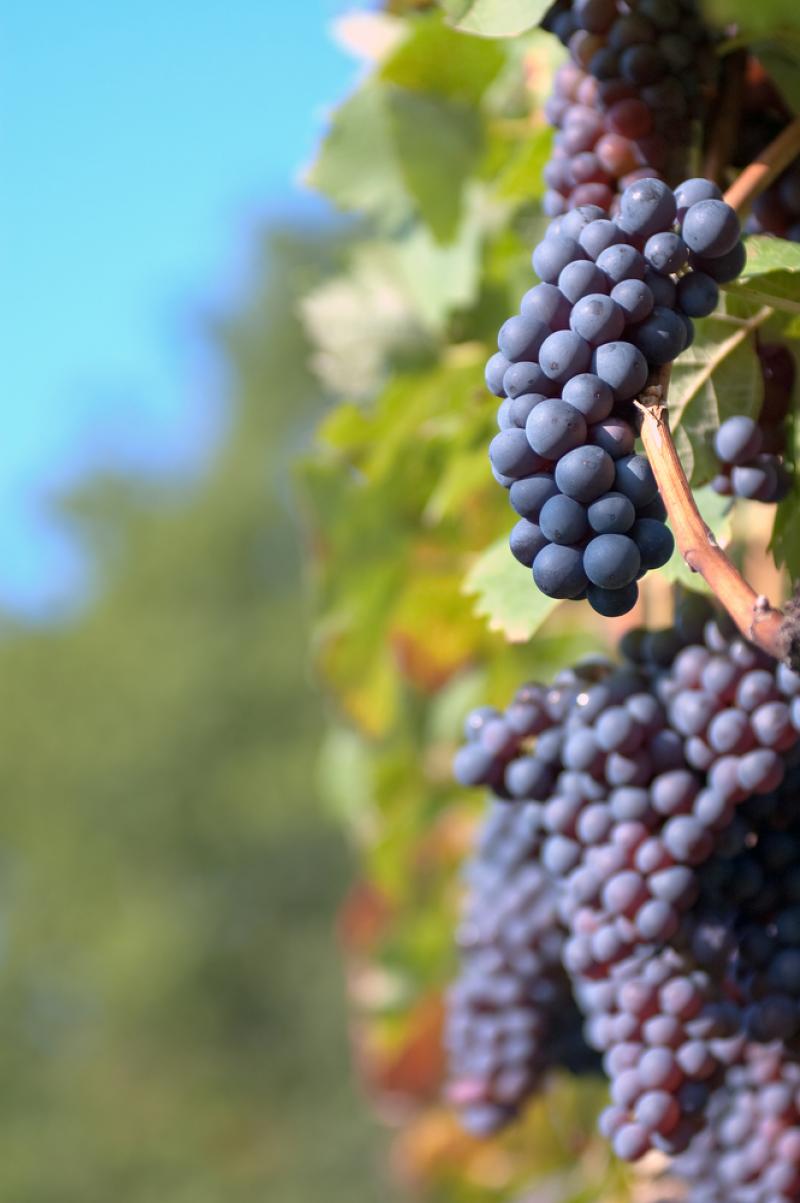
Pinot Noir is known not only as Spätburgunder and Blauburgunder, but also as:
Aprofekete, Arbst, Arbst Blau, Arbst Blauer, Assmannshaeuser, Augustiner, Augustinier, Auvergnat, Auvergnat Nero, Auvergne, Auvernas, Auvernas Rouge, Auvernat, Auvernat Noir, Auvernat Teint Noir, Berligout, Black Burgundy, Black Cluster, Black Morillon, Blak Burgundy, Blau Boden See Traub, Blau Burgunder, Blauburgunder, Blauer, Blauer Arbst, Blauer Augustiner, Blauer Burgunder, Blauer Claevner, Blauer Clevner, Blauer Klaevener, Blauer Klaever, Blauer Klevner, Blauer Klewner, Blauer Nuernberg, Blauer Nuernberger, Blauer Rischling, Blauer Seeklevner, Blauer Seeklvner, Blauer Spaetburgunder, Blauer Sylvaner, Blaurer Statburgunder, Bodenseetraube, Boehmischer, Bon Plant, Borgogna Nera, Borgogna Rosso, Bourgignon, Bourgignon Noir, Bourgoignon Noir, Bourguignon, Bourguignon Gros, Bourguignon Noir, Bourguignon Petit, Bruenlaeubler, Burgunda, Burgundac Cernii, Burgundac Crni, Burgundac Crni Pozni, Burgunder, Burgunder Blau, Burgunder Blauer, Burgunder Grosse Blaue, Burgunder Kleine Blaue, Burgunder Roter, Burgunder Schwarz, Burgundi Crni, Burgundi Kek Apio, Burgundi Kek Apro, Burgundi Kek Aproszemue, Burgundi Mic, Burgundske Modre, Burgundy, Cerna, Cerna Okrugla, Cerna Okrugta Banka, Cerna Ranka, Chambertin, Champagner, Cherna, Chiavenase, Chiavenna, Chpatchok, Claevner, Claevner Blau, Claevner Schwarz, Clavensis, Clevner, Clevner Mariafeld, Cluster, Coraillod, Cortaillod, Corton, Czerna Okrugla Rauka, Derice Auvernas Noir, Dickblau, Early Black, Echter Schwarzblauer Klevner, Elsasser Rot, Elsasser Rother, Fekete Cilifaut, Fin Noir, Fin Noir de Toulon, Fin Plant Dore, Formentin Noir, Fraenkische Schwarze, Franc Noiren, Franc Noirien, Franc Pineau, Franc Pinot, Francois Noir, Frischschwarzer, Fruehblaue, Fruehblauer, Fruehschwarzer, Fruhblauer, Gamais, Genetin de St. Menin, Gentil Noir, Glaevinger, Glasschwarz, Grauer Burgunder, Gribalet Noir, Grobes Suesschwarz, Grosse Burgunder, Grosse Fruehschwarze, Grosser Burgunder, Gut Blau, Gutblau, Hohmann 28/95/46/4+5, Jakabszoeloe, Karapino, Kek Burgundi, Kek Kisburgundi, Kek Klevner, Kek Rulandi, Kis Burgundi, Kis Burgundikek, Kisburgundi, Kisburgundi Kek, Klaevner, Klaevner Schwarz, Klebrot, Klebroth, Klebrott, Kleine Burgunder, Kleiner Burgunder, Kleinrot, Kleinroth, Klevinger, Klevner, Klevner Kek, Klevner Schwarzblau, Kocinka, Korai Kekburgundi, Langedet, Maehrchen, Malterdinger, Maltertinger, Marillon N, Mario Feld, Massouquet, Massoutel, Massoutet, Maurillon, Maurillon de Bourgogne, Mensois, Modra Burgunda, Modra Klevanja, Modra Klevanjka, Modra Klevanyka, Modri Pinot, Moehrchen, Moehrchen Blaues, Moehrlein, Mohrenkoenigin, Mohrenkoenigin Fruehblaue, Mor Burgunder, Moreote, Moreote Noir, Moreotische Traube, Morillon, Morillon Noir, Mourillon, Nagyburgundi, Nera, Nere, Neyran, Neyron Petit, Noble, Noble Joue, Noir de Franconie, Noir de Franconier, Noir de Versitch, Noir Menu, Noirien, Noirien Franc, Noirien Ternent, Noirin, Noirun, Okrugla Ranka, Ordinaerer Blauer, Ordinaerer Rother, Orleanais, Orleans, Petit Bourguignon, Petit Noir, Petit Noirin, Petit Plant Dore, Petit Verot, Petite Lyonnaise, Pignol, Pignola, Pignolet, Pignolo, Pignolus, Pignuola, Pimbart, Pineau, Pineau de Bourgogne, Pineau de Bourgoyne, Pineau de Chambertin, Pineau de Gevrey, Pineau Franc, Pineau Noir, Pino Black, Pino Ceren, Pino Cernii, Pino Cheren, Pino Chernyi, Pino Chernyj, Pino Cornij, Pino Fran, Pino Go, Pino Negru, Pino Nero, Pino Nuar, Pino Qo, Pinot, Pinot Bianco, Pinot Cernii, Pinot Clevner Cl. Maria-Feld, Pinot Crni, Pinot D'ay, Pinot de Bourgogne, Pinot de Chambertin, Pinot de Fleury, Pinot de Gevrey, Pinot de Migraine, Pinot de Ribeauvillers, Pinot de Volnay, Pinot de Vougeot, Pinot Droit, Pinot Fin, Pinot Franc Noir, Pinot Grigio, Pinot Liebault, Pinot Mare, Pinot Mariafeld, Pinot Negru, Pinot Nera, Pinot Nero, Pinot Noar, Pinot Noir Cortaillod, Pinot Noir Cortaillod 9-18, Pinot Noir Salvagnin, Pinot Salvagnin, Pinot Tinto, Plack Morillon, Plant a Bon Vin, Plant Dae, Plant de Cumiere, Plant de Cumieres, Plant de la Dole Noir, Plant de S. Martin, Plant Dore, Plant Fin, Plant Medaille, Plant Noble, Precoce de Ribeauvillers, Pynoz, Qara Pino, Raisin de Bourgogne, Rauci Velke, Raucj, Raucy, Raucy Male, Rauka Druge Struke, Roter Assmannhaeuser, Roter Assmannshaeuser, Roter Burgunder, Rother, Rother Assmannshaeuser, Rother Burgunder, Rouci, Rouci Male, Rouci Modre, Roucimodre, Rouget, Rulandske Modre, Sachemo, Salvagnin, Salvagnin Noir, Samoireau, Samoreau, Saumensois, Saumoireau, Savagin Noir, Savagnin Noir, Schnetzler, Schwartz Klevner, Schwarz Traeuble, Schwarzblauer Klevner, Schwarze Burgunder, Schwarze Fraenkische, Schwarzer, Schwarzer Assmannshaeuser, Schwarzer Burgunder, Schwarzer Champagner, Schwarzer Klaevner, Schwarzer Klevner, Schwarzer Riesling, Schwarzer Rissling, Schwarzer Suessling, Schwarzer Tokayer, Schwarzklaevner, Schwarzklevner, Schwarztraeuble, Servagnier, Servagnin, Servagnin Noir de Seyssel, Sevagnin Noir, Shpachock, Shpachok, Shpetburgunder, Small Black Cluster, Spacok, Spaetburgunder, Spaetburgunder Blauer, Spaeter Burgunder, Spaetes Moehrchen, Spaetes Moerchen, Spatburgunder, Spetburgunder, Statburgunder, Stolle 514, Suessblau, Suesschwarz Grober, Suessedel, Suessling, Suessrot, Suessroth, Suessschwarz, Suessschwarzer, Susschwarzer, Sussedel, Sussrot, Sussschwarzer, Talvagnere Rouge, Talvagnues Rouges, Ternent, Thalrother, Tinto, Traminer Blau, Traminer Schwarz, True Burgundy, Vert Dore, Vrai Auvernas, Waltertinger, Weißburgunder, Zuncic.
Enjoying Pinot Noir and pairing it with food
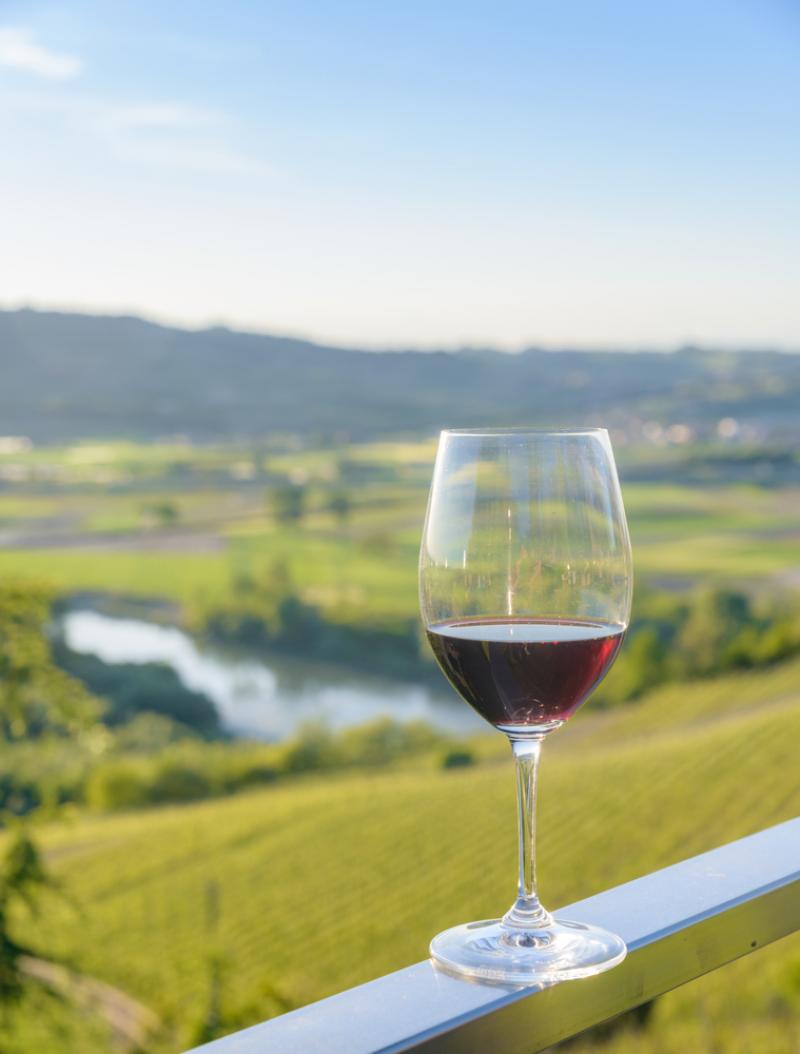
A good to very good Spätburgunder of higher quality can reveal its full aromatic range. With a slightly sweet scent of red fruits, from strawberry through cherry and blackberry to blackcurrant, it gives the wine drinker the feeling of having landed in a jar of jam. Further maturation in the cellar can add almond notes, while barrique-aged wines acquire hints of vanilla and cinnamon.
The two styles of Pinot Noir
A distinction is made between the classic and modern styles. In the past, the best Spätburgunder wines were made from very ripe grapes left on the vine for a long time. Because of the late harvest, these very ripe grapes were no longer particularly intense in colour, and the reduction in acidity had made them mild. The tannins, too, had plenty of time to break down, so the wine reached the glass low in tannin and rusty red in colour. For the typical newcomer to red wine, this is a perfect wine: easy-going and enjoyable. Modern Spätburgunder, by contrast, is harvested earlier and appears in the glass with a deep red colour, more tannin and little acidity. This gives it a very fruity aroma and an impressively vivid colour.
Spätburgunder red wines are ideal for late summer and the cooler months. Like almost every red wine, it is served at room temperature. Always bear in mind, however, that the term room temperature dates from a time before underfloor heating. We are therefore talking about 16 to 18 degrees. Full-bodied versions are best paired with roasts, game or a cheese board. Weißherbst is appealing with starters and white meat, and at Auslese quality also as an aperitif.
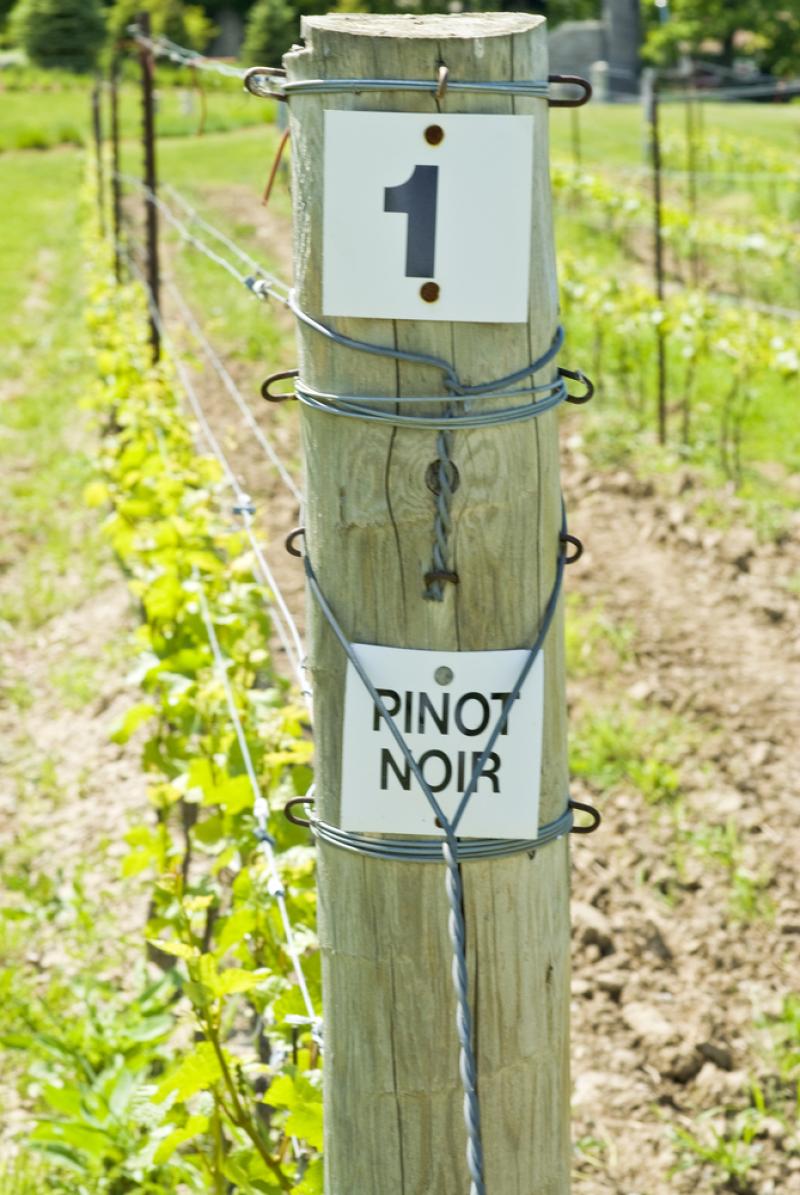
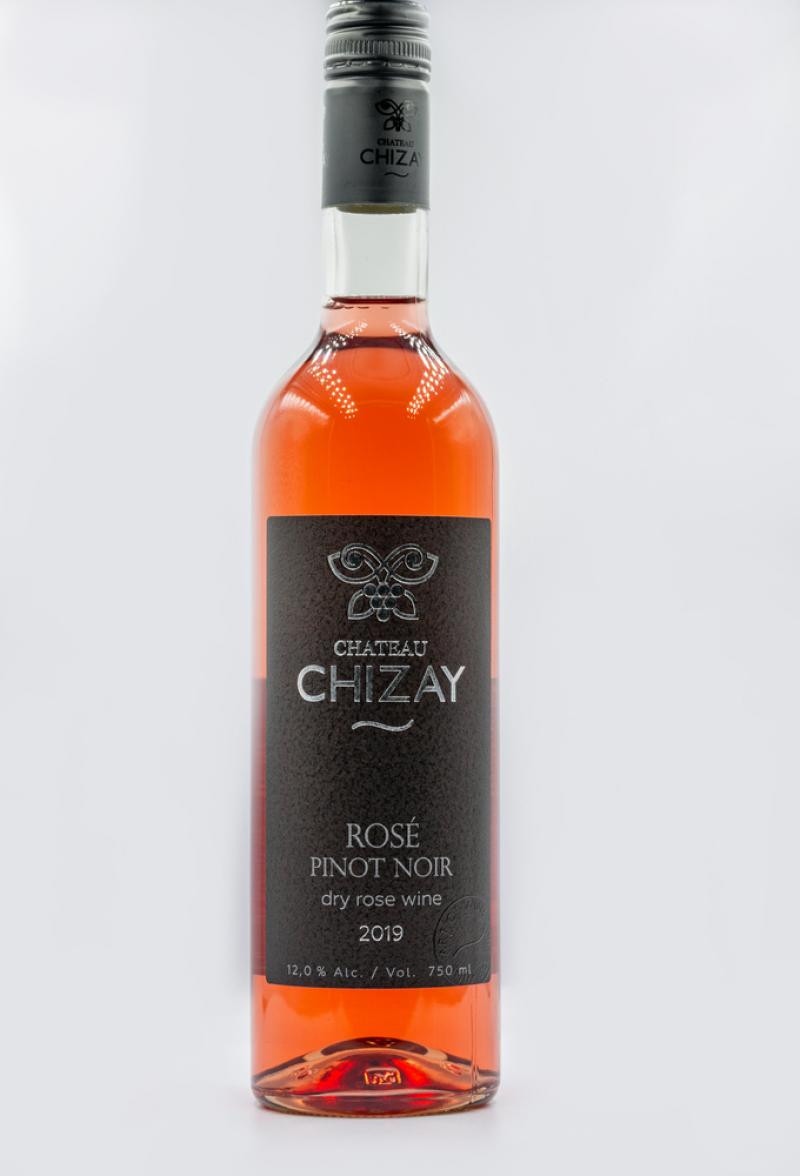
Variations on Spätburgunder
This full-bodied, velvety variety is primarily made into dry or off-dry red wine, sometimes also with a certain amount of residual sweetness. It is available as Spätburgunder Spätlese or Auslese. In addition to Sekt and Champagne, the wine also appears as rosé or what is known as Weißherbst. “Blanc de Noirs” is considered particularly exclusive. “White from black” is the literal translation of “Blanc de Noir” and refers to a white wine made from blue to black grapes. The French name already hints at its origins. This form of winemaking also originated in France, where the red grapes of Pinot Noir (Spätburgunder) and Pinot Meunier (Schwarzriesling) have long been made into white wines as the base for Champagne.
This is possible because red berries generally have pale flesh. The red pigments, known as anthocyanins, are found mainly in the berry skins. If the juice from red grapes is to remain white, no pigments must pass from the skins into the must. It is therefore important that the red grapes are as healthy as possible and are pressed only gently. The pale must obtained in this way is then fermented into a white wine.
High-quality Spätburgunder is also often matured in barrique barrels. This is a special way of storing Spätburgunder and optimising its maturation process.
Die Weinpost