Wine encyclopedia
Pinotage as South Africa’s National Wine
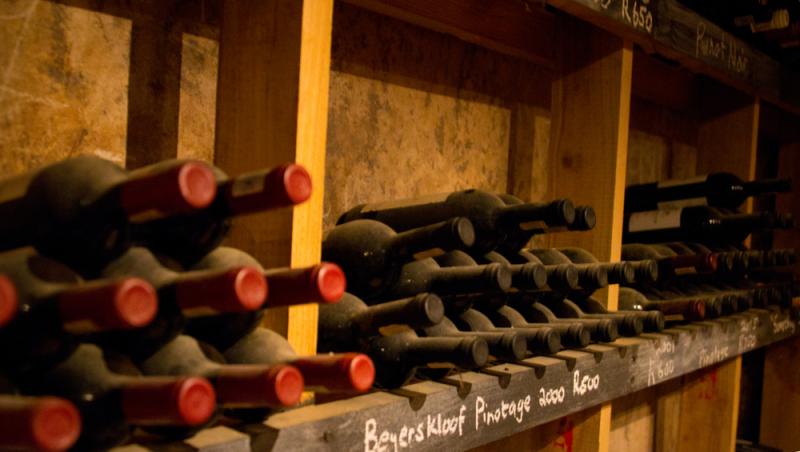
Pinotage is a red grape variety created by crossing Cinsault and Pinot Noir. The grape is grown mainly in South Africa, which is also its birthplace. The new variety was developed in 1924 at a university in Stellenbosch by Professor Abraham Isak Perold.
4 min read
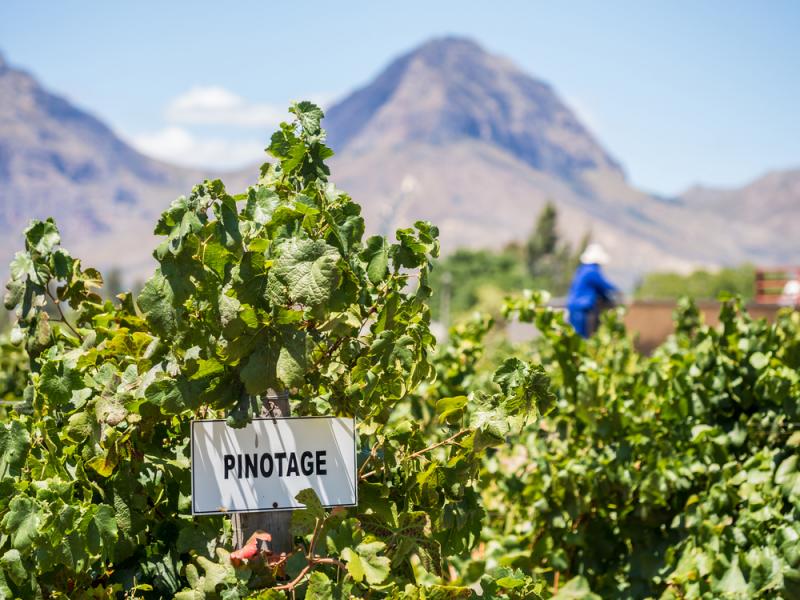
We owe this man a great deal, as the Pinotage grape produces excellent red wines with a very intense, refined structure. Before that could happen, however, chance had to lend a considerable helping hand. Perold planted the vines in his own garden in Welgevallen. Then he moved house, forgetting his vines and leaving the plants behind. A group of gardeners almost pulled out all the young plants while weeding, but his university colleague Niehaus saved the vines when he happened to cycle past the garden at that very moment.
Tropical aromas and earthy nuances give Pinotage wines a distinctive character that is extremely popular with wine connoisseurs worldwide. Pinotage aromas are also compared to cherries, blackberries, cloves, rosemary, coffee, tobacco and even smoked bacon. Liquorice, banana and chocolate are now also considered typical.
Pinotage is generally made as a single-varietal wine. Why? It stands perfectly well on its own and usually needs no other grape varieties to achieve its unique flavour. When it is blended, it is usually with other powerful red wines such as Merlot.
Once South Africa – always South Africa
Unlike other grape varieties, Pinotage is still produced almost exclusively in South Africa. Australia and Argentina tried their hand at the grape, but cultivation trials failed. Only small growing areas in New Zealand, California, Brazil and Canada have managed to grow Pinotage in modest quantities. Pinotage simply loves South Africa’s hot, dry conditions, and who could blame it? Pinotage is also known as South Africa’s national grape, which is hardly surprising. In this case, the old saying “Cobbler, stick to your last” is absolutely apt. The wine comes from South Africa, the wine needs South Africa, and the climate loves it. What more could a winegrower want than to produce wines with a strong regional identity? Just as Cabernet Franc or Cabernet Sauvignon represents Burgundy and France, the red colour of Pinotage flies over the Cape of Good Hope. This is the wine grape of South Africa.
The lower the yield, the better the quality
As with most other grape varieties, the lower the yield of Pinotage, the greater the wines’ potential. To achieve this reduction, rigorous pruning is carried out in summer, which also means sacrificing many precious bunches. Yet it has to be done, as the grapes left on the vine benefit enormously. All the nutrients that would otherwise have to be shared among many grapes go to those that remain. Unnecessary foliage is removed and fruiting canes are reduced to a minimum. Naturally, this has a direct impact on the quality of the red wines. Without these restrictions, the flavour would be far less full-bodied, and the wine could never achieve its splendid character.
What the grapes look like and how they thrive
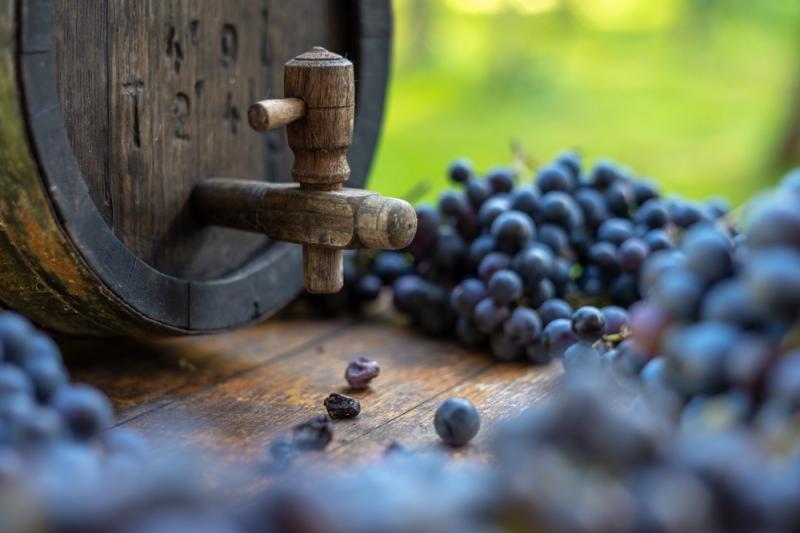
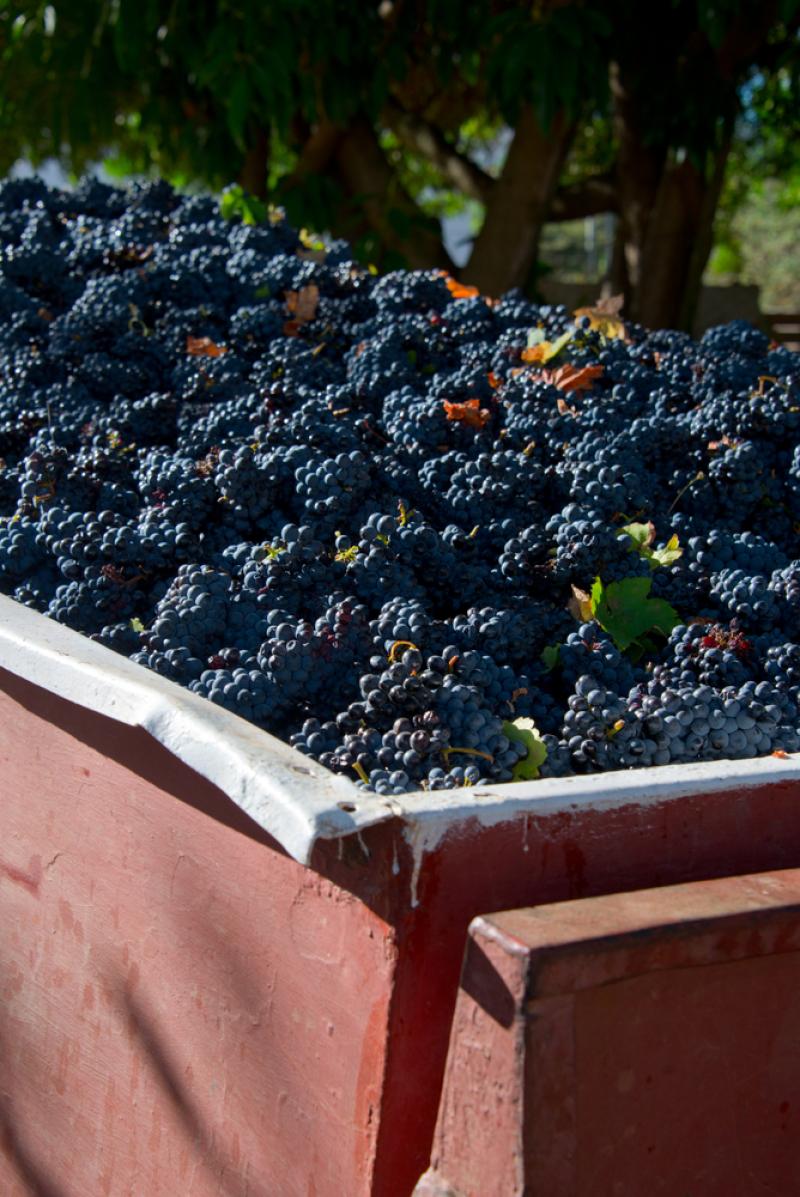
The berries of the Pinotage vine are dark blue and relatively small. They are oval in shape and slightly fleshy. In warm climatic conditions, the grapes ripen very quickly and then have a very high sugar content. Pinotage thrives best in dry, hot vineyard sites.
The wines made from these dark grapes generally also have a very dark, deep colour. They smell of juicy berries, which are also reflected on the palate. Delicate peach aromas are also very typical of a Pinotage wine. If you give the wine a few more years of cellaring, those delicate aromas become even more intense!
The future of Pinotage is a Cape Blend
However much one might expect single-varietal Pinotage on the tables at dinners and receptions, this exceptional South African athlete has a brighter future in France, Italy, the USA and Germany when dressed as a blend. A wine so rich in tannins and so full-bodied can enter into a liaison or two to become even better and more impressive. And so Cape Blends are gradually gaining in importance. Cabernet Sauvignon forms the basis, with Merlot, a locally grown Shiraz and at least 20 per cent Pinotage lending an outstanding character. This will produce more than a few legendary reds in the coming years.
Wild wine for wild game dishes
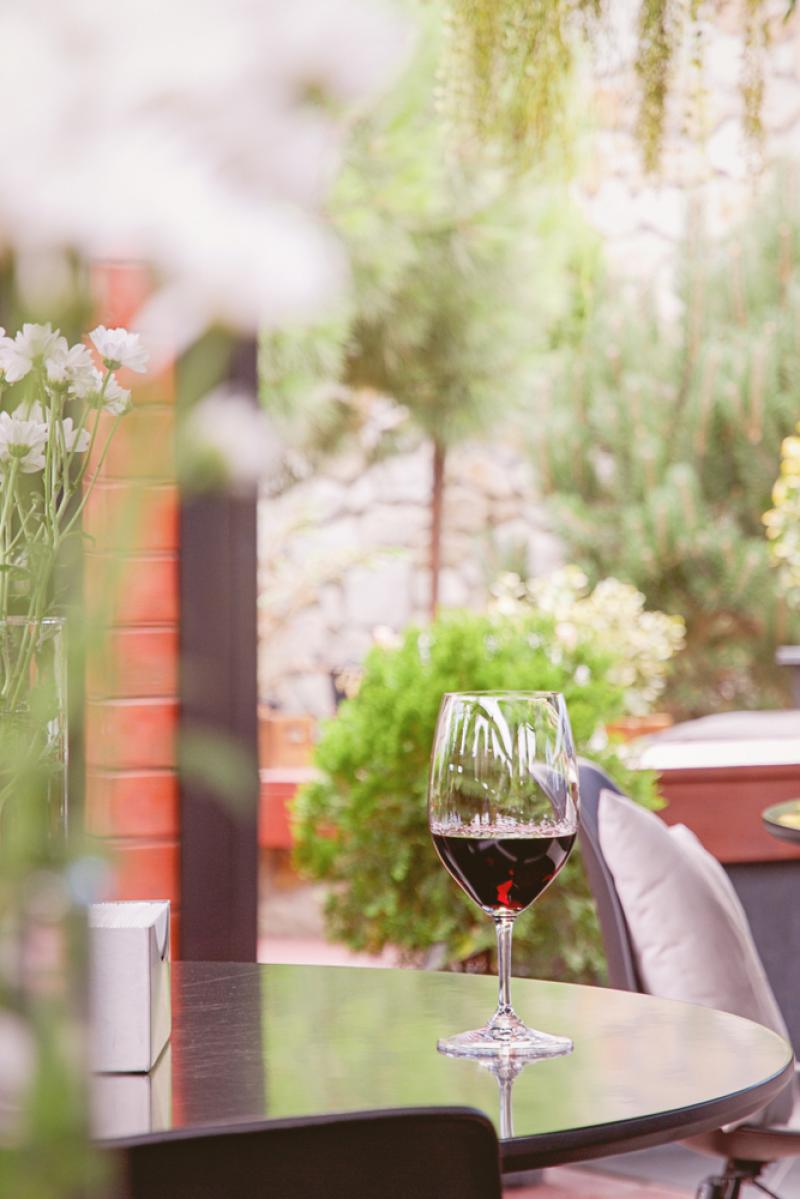
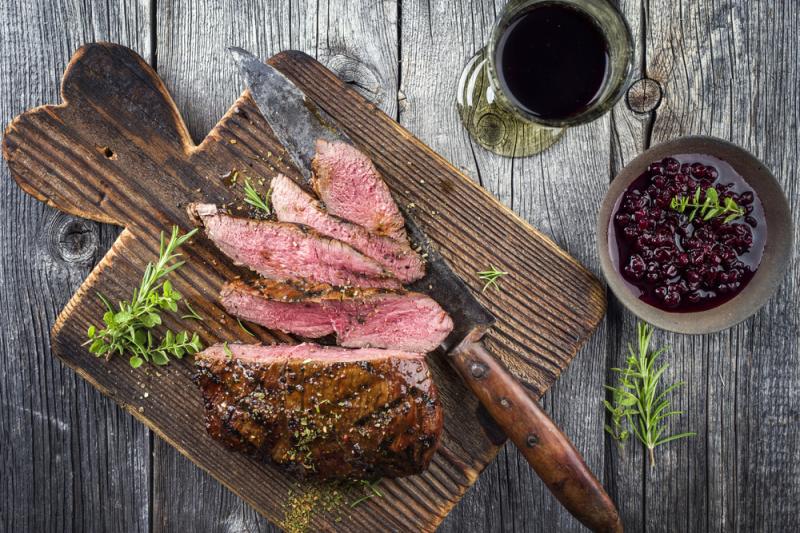
Powerful and very tannic, Pinotage is generally enjoyed only once the sun has set or is in the process of setting. These wines therefore make good companions for dinner. Their velvety structure and berry flavours make them particularly well suited to complementing fine game dishes. Whether saddle of venison or wild boar, Pinotage can handle every kind of game. Other meat dishes also pair well with Pinotage, and of course the wine shines even without dinner. Enjoy a glass of Pinotage in the setting sun, and life is simply beautiful!
How to decant Pinotage properly
Die Weinpost