Wine encyclopedia
Prosecco Is Called Glera
Barely has the sun been shining for more than 5 minutes before tables and chairs are ceremoniously brought out in front of city cafés — it’s show-off time. And what should immediately take pride of place on a white tablecloth? A bottle of Prosecco surrounded by cheerfully chattering women.
3 min read
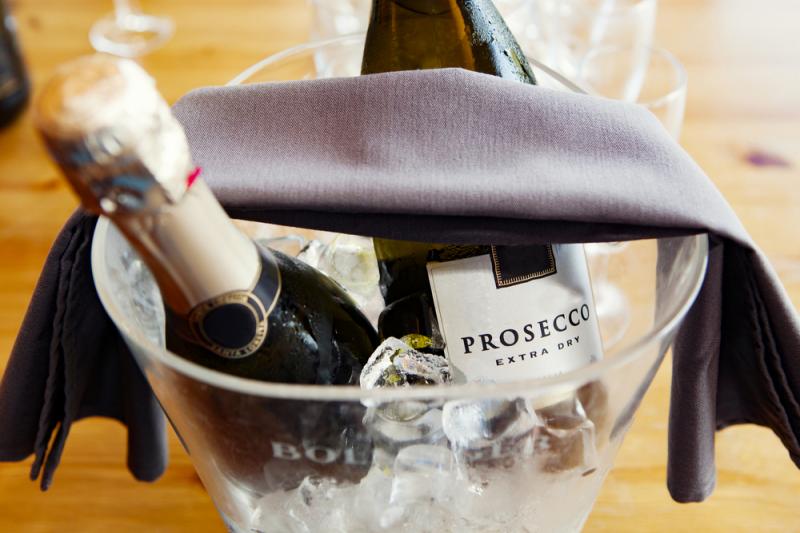
And there is just one grape variety for this — the one that makes this drink possible at all, Glera, a name that is completely unknown. Thank goodness it exists. What else would the ladies do, with no fizz in their glasses?
Officially renamed
Glera was brought into being. Just as Wolfsburg once was for cars, Glera is synonymous with semi-sparkling and sparkling wines that were once known by the varietal name Prosecco. Prosecco, meanwhile, has been more than ennobled. Under a decree issued by the Italian Minister of Agriculture on 17 July 2009, since 1 January 2010 Prosecco has no longer been the name of a grape variety, but rather a designation of origin.
Here you will find Champagne — Always a Supreme Delight
The illustrious history of the Glera grape variety
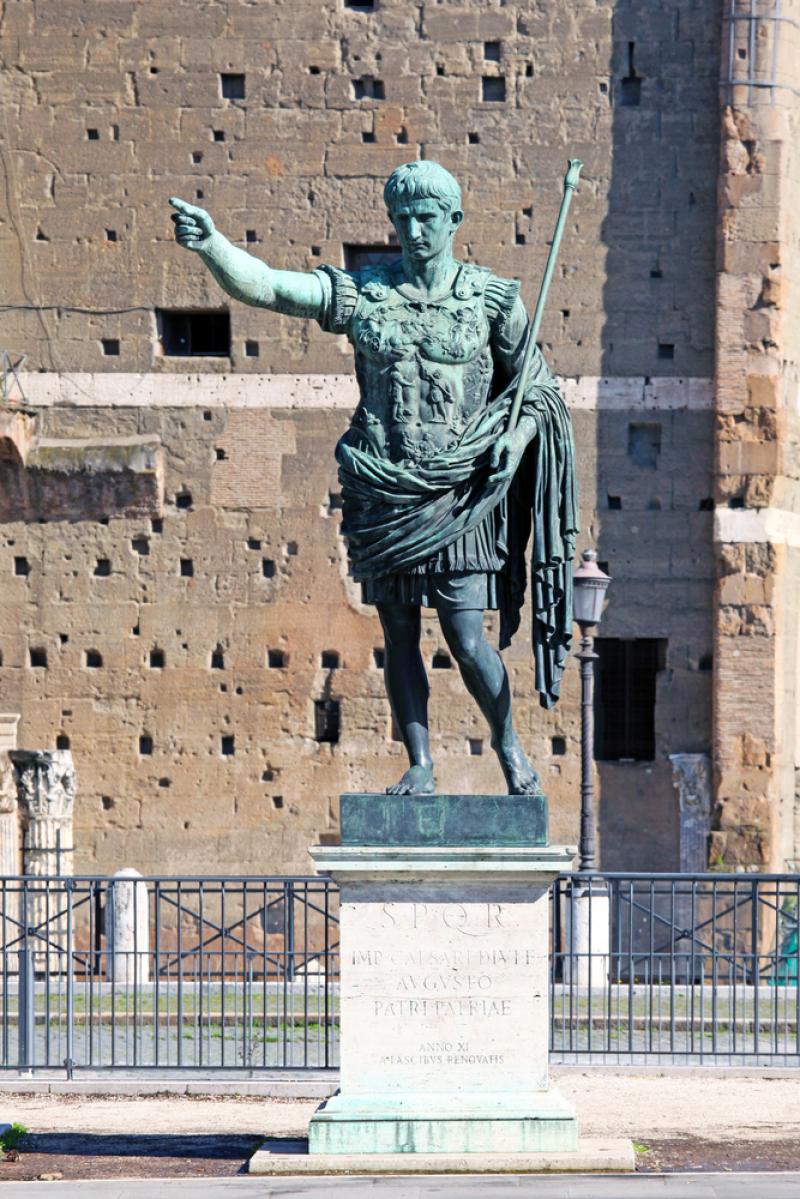
In antiquity, Prosecco was highly revered as what was known as Vinum Pucinum. The historical name comes from Castellum Pucinum. This encompassed the Prosecco growing area north of Trieste in Roman times. The Romans were certainly lovers of wine and its effects. But Livia Drusilla (58 BC–AD 29), the third wife of Emperor Augustus (64 BC–AD 14), is said to have loved Vinum Pucinum for its supposed medicinal properties. She attributed her age of 87, exceptionally advanced for the time, to drinking Prosecco. (That is one explanation, after all — the Queen Mum is also said to have lived so long thanks to her daily evening gin. The term Prosecco was first used in a poem from 1754. “… and now I wish to moisten my mouth with this apple-scented Prosecco …”. The name Prosecco, in turn, derives from its origins. Right next to Trieste lies the small village of Prosecco (in Slovenian: Prosek), which was also recorded as Prosseck, Prossegg and Prosegg. The Habsburgs also used this designation in their historical documents concerning the area. The name has nothing to do with the Italian term secco, meaning dry, or anything similar. At the time, the local Slovenian-speaking population called the wine Prosegker or Prosekar, and it was grown along the Adriatic coastal strip near the villages of Contovello, Prosecco, Santa Croce and Barcola.
Glera’s big brother — Champagne
Glera’s growth and natural form
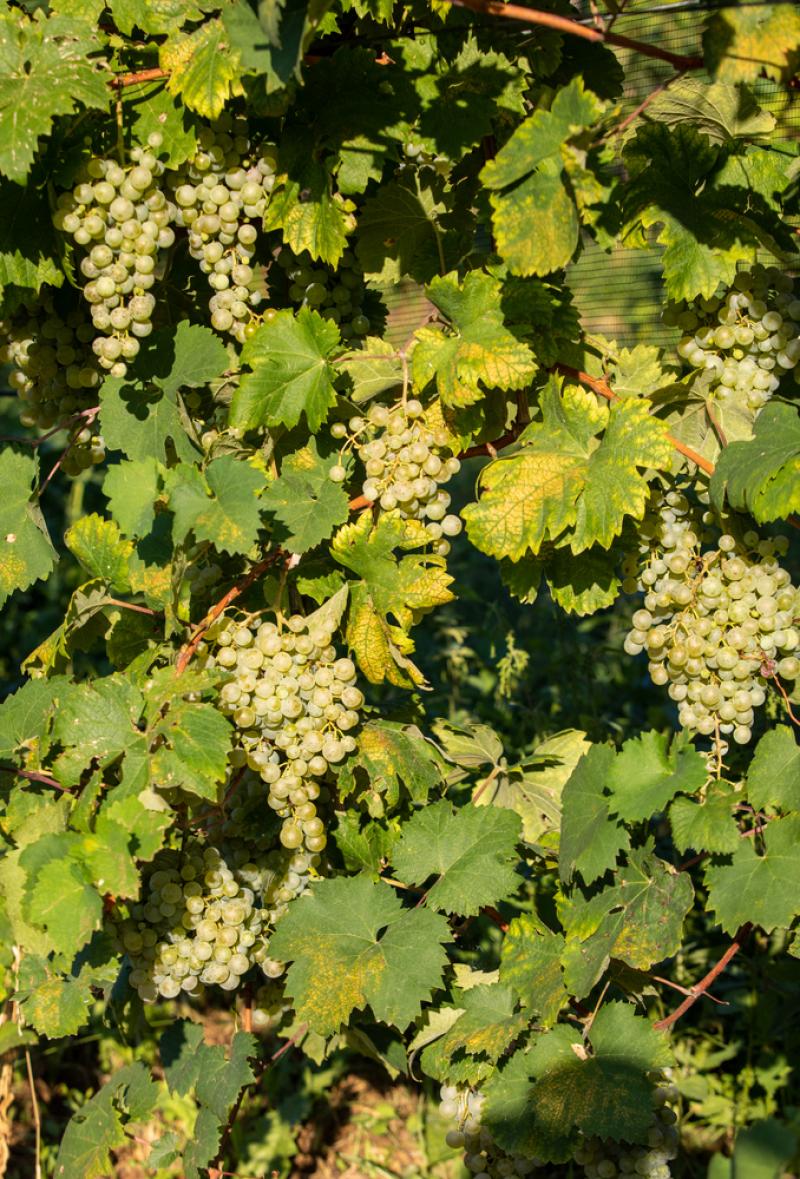
Somehow, when it comes to classifying ripening times, everything seems to revolve around the rather pale Gutedel, but never mind. Glera takes longer. This fast-growing white grape variety ripens around a month and a half after Chasselas (as Gutedel is known in Switzerland), has lots of small berries and is not particularly high-yielding. The vine, with its large, five-lobed leaves and open shoot tip, does not cope particularly well with drought, but that is not really a frequent occurrence in northeastern Italy.
The many names of Glera
Because this grape variety, too, has a history stretching back centuries, countless winegrowers in Italy and around the world have given it their own name. Here comes a whole mountain of other names for one and the same wine. Have fun learning them by heart.
Glera is also called
Beli Teran, Bresanka, Brichka Glera, Briska Glera, Gargana, Ghera, Glere, Gljera, Grappolo Spargolo, Prosecco, Prosecco Balbi, Prosecco Bianco, Prosecco Nostrano, Prosecco Tondo, Prosekar, Proseko, Sciprina, Serpina, Serprina, Serprino, Steverjana, Teran Bijeli, Uva Pissona, Verbic, Verdic, Verdic Beli
Frizzante, Spumante and still wine
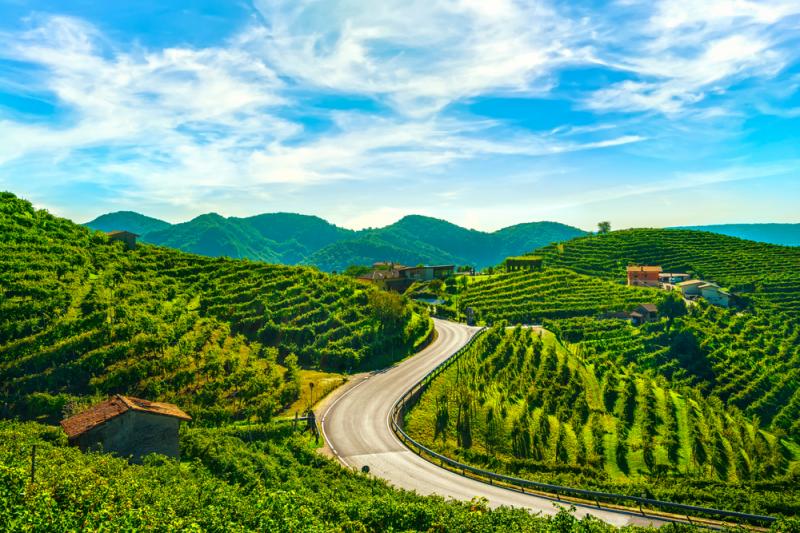
Glera grapes from the Veneto region (Prosecco DOC) have three entirely natural destinations. Prosecco Spumante is the sparkling wine produced through tank fermentation, in complete contrast to French Champagne, which matures in the bottle. Spumante is full of carbon dioxide and retains its bubbles in the glass for a long time. This version normally has a typical sparkling wine cork held captive by a wire cage at the top of the bottle.
Prosecco Frizzante, in turn, is the opposite of what would otherwise be described in the UK or the USA as a heavily sparkling wine. A little pressure, chilling and carbon dioxide are enough to give it just a gentle fizz. Here, an ordinary crown cap or screw cap will do.
Prosecco spento, the still version, is very rarely served outside the growing region. But it does exist, and it too is made from Glera.
Die Weinpost